Saudi Arabia is really opening up, and it’s not just about new cities and big projects. They’re also doing an amazing job restoring old places and turning them into unique places to stay. Think historic buildings in old towns, or even within ancient sites. These Saudi heritage hotels offer a really different way to see the country, mixing old-world charm with modern comfort. Plus, you get to be right in the middle of some seriously cool historical spots.
Key Takeaways
Several Saudi heritage hotels have opened in Jeddah’s historic Al Balad district, offering stays in restored merchant houses with original features and local art.
The Chedi Hegra is the only hotel located within the UNESCO World Heritage site of Hegra in AlUla, providing exclusive access to parts of the ancient city.
Jeddah’s Al Balad district features three distinct heritage hotels: Beit Jokhdar, Beit Al Rayess, and Beit Kedwan, each with its own unique character.
AlUla offers luxury accommodations like The Chedi Hegra and Husaak Glamping, alongside private guided tours and hot air balloon rides for exploring its ancient wonders.
Saudi Arabia is developing new luxury destinations like Amaala and Neom, alongside revitalizing areas like Riyadh’s Diriyah and Jax District, showing a commitment to both future growth and preserving its past.
Discover Saudi Heritage Hotels in Historic Al Balad
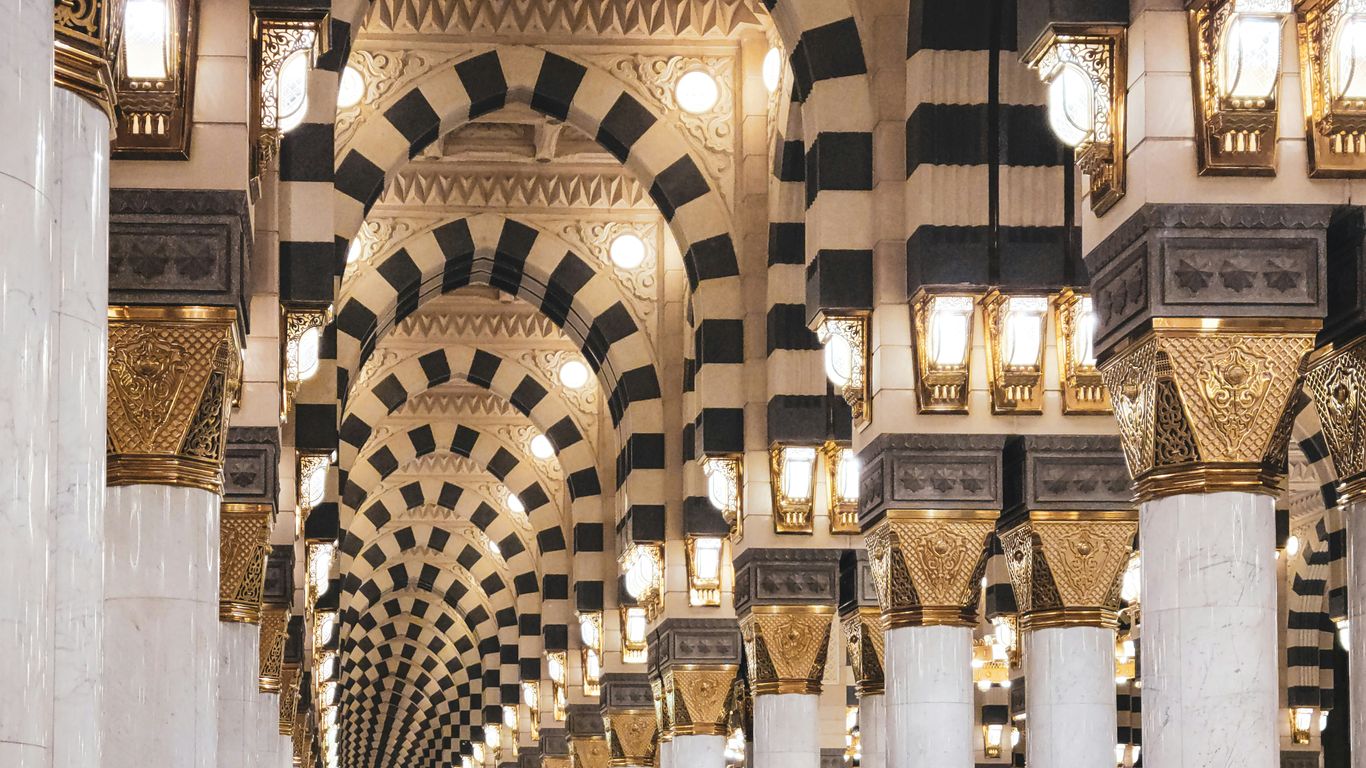
Jeddah’s old town, Al Balad, is a UNESCO World Heritage site, and it’s really something special. For ages, this place was a major trading hub on the Red Sea and a gateway for pilgrims heading to Mecca. Now, they’ve done a fantastic job of restoring these old merchant houses, which are built from coral stone and wood, and have those cool, latticed balconies called rawsheen. It’s like stepping back in time, but with all the modern comforts you’d expect.
Restored Merchant Houses as Luxury Stays
Three of these beautiful old houses have been turned into heritage hotels, and they’re the first of their kind in Saudi Arabia. They’re not huge, which makes them feel really intimate and special. The builders were super careful to keep the original features – think old floors, wooden details, and those amazing balconies. They’ve managed to add modern plumbing and electricity without messing up the historic feel, which is pretty impressive.
Intimate Stays with Preserved Original Features
Staying in these hotels is a unique experience. You’re surrounded by history, with original tiles underfoot and intricate woodwork everywhere. It feels authentic, like you’re really living in one of these historic homes. They’ve even kept some of the original ablution bowls outside the bedrooms as a nod to the past.
Local Artistry in Furnishings and Decor
What really makes these places stand out is the decor. Most of the furniture, crafts, and art were sourced from local artists and craftspeople. You can even visit some of their studios nearby. It adds another layer of authenticity and supports the local creative community. It’s a nice touch that connects you more deeply to the area.
The restoration efforts in Al Balad are not just about preserving buildings; they’re about bringing a historic district back to life as a vibrant place to stay and explore.
Here’s a quick look at the hotels:
Beit Jokhdar: This is perhaps the most impressive, with nine rooms and suites, including a Royal Suite with its own hammam. It really transports you back in time.
Beit Al Rayess: This one has a charming, relaxed vibe with a color scheme of creams and browns. It feels effortlessly cool.
Beit Kedwan: This is a cozier option, with just two bedrooms and living areas. It’s perfect if you want to book the whole place for a family or a couple of couples. It also has a private roof terrace.
These hotels are just the beginning, too. There are plans to restore many more historic houses into hotels over the next few years, so Al Balad is set to become an even bigger destination for heritage stays.
Experience Ancient Wonders at Hegra, AlUla
The Only Hotel Within a UNESCO World Heritage Site
Imagine waking up inside a place etched into history, a UNESCO World Heritage Site. That’s exactly what you get at The Chedi Hegra. It’s the only hotel situated right within the ancient city of Hegra, AlUla. This isn’t just a place to sleep; it’s an immersion. The hotel itself is built into restored old houses, blending modern comfort with the very stones of the past. You’re not just visiting Hegra; you’re living within its story.
Exclusive Access to Inaccessible Areas of Hegra
Staying at The Chedi Hegra means you get to see parts of Hegra that most visitors can’t. Think of it as a backstage pass to history. You’ll have special access to areas of this vast archaeological site that are usually off-limits. It’s a chance to explore the Nabataean tombs and ancient landscapes with a sense of privacy and discovery that’s hard to find anywhere else. This exclusive access really makes the experience feel personal and profound.
Vintage Land Rover Tours and Hot Air Balloon Rides
Getting around Hegra is an adventure in itself. Forget standard buses. You can hop into a vintage Land Rover for a guided tour, feeling the desert breeze as you explore the incredible rock-cut tombs. It’s a classic way to see the site, adding a touch of old-world charm to your journey. And for a truly breathtaking perspective, consider a sunrise hot air balloon ride. Floating above Hegra as the sun paints the desert sky is an unforgettable sight, offering panoramic views of this ancient wonder. It’s a magical way to appreciate the scale and beauty of the Nabataean masterpiece.
Unique Stays in Jeddah’s UNESCO-Listed District
Beit Jokhdar: A Jewel with Royal Suites
Stepping into Beit Jokhdar feels like walking through a portal to the past. This beautifully restored 19th-century merchant house is a real gem within Jeddah’s historic Al Balad district. It’s not just a place to stay; it’s an experience. The building itself tells a story with its charmingly uneven floors, original tilework, and distinctive green woodwork. It has nine rooms and suites, and if you’re looking for something extra special, the two-bedroom Royal Suite even comes with its own private hammam. It’s the kind of place that makes you feel like you’ve truly stepped back in time.
Beit Al Rayess: Effortlessly Cool and Charming
Just a stone’s throw away, Beit Al Rayess offers a different, yet equally captivating, vibe. Painted in soothing creams and browns, it has an effortlessly cool feel. While it boasts modern conveniences like updated plumbing, subtle touches, like a ceramic bowl placed outside the bedrooms, serve as a gentle reminder of the traditional ablution practices of the families who once lived here. It’s a perfect blend of old-world charm and contemporary comfort.
Beit Kedwan: Chic, Homely, and Ideal for Groups
Completing this trio of unique heritage stays is Beit Kedwan. This place strikes a lovely balance between being chic and feeling like a home away from home. With just two bedrooms and separate living areas, it’s particularly well-suited for families or small groups who might want to book the entire house for themselves. Like its neighbors, it also features a private roof terrace, offering a peaceful spot to soak in the sights and sounds of Al Balad.
These three hotels are more than just accommodations; they are gateways to understanding the rich history and architectural beauty of Jeddah’s UNESCO World Heritage site. They offer an intimate glimpse into the lives of those who shaped this historic port city.
Exploring the Cultural Heart of Al Balad
Al Balad, Jeddah’s historic district, is more than just a collection of old buildings; it’s a vibrant, living museum that truly captures the spirit of Saudi Arabia’s past. This UNESCO World Heritage site, once a bustling port and a gateway for pilgrims, invites you to step back in time. Wandering through its narrow, winding streets feels like stepping onto a movie set, with coral stone buildings adorned with intricate wooden balconies, known as rawsheen, telling stories of centuries gone by.
Visit the Tariq Abdulhakim Centre Museum
For a deeper dive into the region’s cultural tapestry, the Tariq Abdulhakim Centre is a must-visit. This museum is dedicated to the life and work of Saudi Arabia’s most celebrated musician and composer. It’s not just about dusty artifacts; expect interactive displays that bring music and history to life in a really engaging way. It’s a fantastic spot to get a feel for the artistic soul of the Kingdom.
Immerse Yourself in teamLab Borderless
Bringing a modern twist to the historic setting, teamLab Borderless offers an unforgettable digital art experience. This immersive space, created by the renowned Japanese art collective, transforms light and sound into interactive installations. It’s a stunning contrast to the ancient architecture surrounding it, showing how Jeddah beautifully blends its heritage with contemporary innovation. It’s a sensory journey that redefines what an art exhibition can be.
Discover Artisan Workshops and Studios
Al Balad is still very much a place where creativity thrives. As you explore, you’ll stumble upon numerous artisan workshops and artist studios tucked away in charming, flower-filled alleyways. Many of these spaces are open to the public, offering a unique chance to see local craftspeople at work. You might find everything from traditional textiles and intricate metalwork to contemporary art pieces. It’s a great way to connect with local talent and perhaps find a truly unique souvenir that carries a piece of Al Balad’s soul with it.
Here’s a glimpse of what you might find:
Traditional Crafts: Look for wood carving, pottery, and intricate embroidery.
Contemporary Art: Discover paintings, sculptures, and mixed-media works from local artists.
Perfumes and Spices: Many stalls offer locally sourced aromatic goods.
Jewelry: From delicate silver pieces to more elaborate designs.
The pedestrianized old town, covering about one square kilometer, is best explored on foot. Allow yourself to get lost in its charm; you never know what hidden gem you might discover around the next corner. The souks here are a treasure trove, selling everything from fragrant spices and colorful textiles to exquisite gold jewelry.
Luxury Accommodations in AlUla’s Desert Landscape
The Chedi Hegra: Desert Views and Historic Charm
If you’re looking for a truly unique place to stay in AlUla, The Chedi Hegra is it. It’s the only hotel actually located within the UNESCO World Heritage site of Hegra. Imagine waking up surrounded by ancient history, with Nabataean tombs just a stone’s throw away. The hotel itself is built into old buildings, so you get this amazing mix of restored architecture and modern luxury. The rooms have this cool texture with stone walls and leather lamps, and many open onto terraces perfect for watching the desert sunset. They even have a restaurant set up in a restored 1907 train carriage – how neat is that?
Husaak Glamping: Under the Starlit Desert Sky
For something a bit more rustic but still comfortable, Husaak Glamping offers a chance to really connect with the desert. These aren’t your typical tents; they blend right into the natural landscape, offering a cozy spot to sleep under the stars. You’re surrounded by palm trees and sandstone mountains, and waking up to the sounds of birds is a pretty special experience. It’s a great way to get away from it all and experience the quiet beauty of AlUla’s desert.
Experience AlUla with Private Guided Tours
While not a place to sleep, it’s worth mentioning how these accommodations tie into the broader AlUla experience. Staying at places like The Chedi Hegra often means you get special access to parts of Hegra that aren’t usually open to the public. Think private tours in vintage Land Rovers, getting up close to ancient carvings and tombs without the crowds. It really makes you feel like you’re discovering something special.
AlUla is often called ‘the world’s largest living museum,’ and these accommodations really help you feel that connection to its deep past. It’s more than just a place to stay; it’s an immersion.
The Future of Saudi Hospitality and Tourism
Saudi Arabia is really shaking things up when it comes to tourism and how they’re welcoming visitors. It’s not just about the old places anymore, though those are amazing. They’re building some seriously ambitious new spots, and it feels like a whole new chapter is opening up.
Amaala: A Wellness-Focused Coastal Destination
Down on the Red Sea coast, Amaala is shaping up to be a big deal for anyone looking to relax and recharge. Think high-end resorts focused entirely on well-being. Places like Equinox and a new Chiva-Som spot called Jayasom are going to be there, covering everything from fitness to healthy eating. They’re even planning one of the world’s top marine life centers, Corallium. It’s all about health and the ocean.
Neom’s Giga Projects: The Line and Trojena
Then there’s Neom, which is this massive, futuristic project. It includes The Line, a city that’s supposed to be super long and thin, and Trojena, a mountain resort that’s even going to host the 2029 Asian Winter Games. You’ll find hotels from big names like Zannier and Park Hyatt popping up in these unique locations. It’s pretty wild to think about.
Qiddiya City: The World’s First ‘City Built for Play’
Just outside Riyadh, Qiddiya City is being built in a canyon and is being called the first ‘city built for play.’ They’re planning tons of theme parks, including a Six Flags, plus places for performing arts and sports. It sounds like a place designed for fun and entertainment on a huge scale.
The pace of change is so rapid, even locals struggle to keep up; some tourists remain largely oblivious. While alcohol is still banned nationwide, new entertainment venues are emerging, hosting late-night events. This shift reflects a broader societal evolution, with diverse communities embracing new forms of expression in music, art, design, fashion, and nightlife.
These big projects are part of Saudi Arabia’s Vision 2030 plan, which aims to diversify the economy beyond oil. It’s fascinating to see how they’re creating entirely new destinations while also restoring historic sites. It feels like a country in motion, trying out new ideas and building for the future.
Riyadh’s Evolving Luxury and Heritage Scene
Riyadh, once primarily known as the kingdom’s administrative and financial hub, is rapidly transforming into a dynamic destination blending modern luxury with a deep appreciation for its heritage. This evolution is evident in several key areas, from the meticulously restored historical districts to the cutting-edge contemporary art scenes and the emergence of ultra-chic lifestyle enclaves.
Diriyah: Restored Palaces and Upscale Dining
Diriyah, the birthplace of the Saudi state, is undergoing a remarkable restoration. Centered around a centuries-old fortified citadel, its original mud-brick palaces, mosques, and towers are being brought back to life. The Bujairi Terrace, in particular, has become a focal point for upscale dining, offering a sophisticated culinary experience against a backdrop of historical grandeur. Here, you can find restaurants serving modern takes on traditional Saudi dishes, alongside international flavors.
Bujairi Terrace Dining: A curated selection of restaurants offering diverse cuisines.
Historical Significance: Explore the roots of Saudi heritage in a beautifully preserved setting.
Future Developments: Anticipate new luxury hotel openings from renowned brands like Aman and Rosewood.
Jax District: A Hub for Contemporary Art
Shifting gears from ancient history to modern creativity, the Jax District represents Riyadh’s burgeoning contemporary art scene. This area, once an industrial site, has been reimagined as a vibrant center for creative industries. It’s home to the Saudi Arabia Museum of Contemporary Art and serves as a gathering place for local artists and designers. The district buzzes with galleries, studios, and exhibition spaces, reflecting the kingdom’s growing cultural output.
Via Riyadh: Chic Enclaves and Designer Boutiques
Located near the Diplomatic Quarter, Via Riyadh offers a more polished and exclusive experience. This area is characterized by its leafy surroundings and sophisticated atmosphere, featuring high-end boutiques from international designers like Tom Ford and Elie Saab. It’s a destination for those seeking luxury shopping and fine dining, with establishments like Wolfgang Puck’s Spago adding to its cosmopolitan appeal. Via Riyadh is a testament to the city’s growing appeal for fashion-conscious visitors and residents.
The rapid pace of change in Riyadh means that even locals can find it hard to keep up with new openings and trends. For visitors looking to tap into the pulse of the city’s creative and luxury scenes, engaging a local concierge or a specialized Destination Management Company (DMC) can provide access to exclusive events, private atelier tours, and insider knowledge.
Exclusive Access and Guided Experiences
Private Guided Tours with Experience AlUla
Want to really get under the skin of places like Hegra? Forget just wandering around. With Experience AlUla, you can book private guided tours that take you to spots most people miss. Imagine exploring parts of Hegra that are usually off-limits, getting the inside scoop on the Nabataean history from someone who knows it inside out. They use these cool vintage Land Rovers, which just adds to the whole adventure. It’s a fantastic way to see these ancient sites without the crowds and really feel like you’re discovering something special.
Sunrise Hot Air Balloon Flights Over Hegra
Okay, so this is pretty epic. Picture this: you’re floating gently in a hot air balloon as the sun comes up over Hegra. The landscape, with those incredible rock-cut tombs, looks totally different in the early morning light. It’s a really peaceful way to take in the sheer scale of the place. You get a bird’s-eye view of the entire necropolis, and honestly, it’s a memory that sticks with you. It’s not just a tourist activity; it feels like a genuine moment of awe.
Insider Access via Concierge and Local DMC
Sometimes, the best experiences aren’t advertised. That’s where hotel concierges and local Destination Management Companies (DMCs) come in. They have connections. Need to arrange a special visit to an artisan’s workshop in Al Balad, or perhaps a private viewing at a historical site? They can often make it happen. It’s about tapping into the local network to get a more authentic and personalized experience of Saudi heritage. Think of them as your key to the hidden gems.
Here’s a peek at what you might arrange:
Private access to restored merchant houses in Al Balad.
Specialist-led tours focusing on specific historical periods.
Arranging meetings with local craftspeople.
Exclusive dining experiences at unique locations.
Getting that insider access really changes how you see a place. It moves beyond just looking at things to actually connecting with the history and the people who keep traditions alive. It’s about those moments that feel truly unique and personal, far from the usual tourist trails.
Culinary Delights in Saudi Heritage Hotels
Feast at Johkdar’s Exceptional Restaurant
When you stay at Beit Jokhdar, you’re in for a treat, especially if you decide to indulge in their restaurant. While meals aren’t always included with your stay, the dining experience here is something special. Imagine starting your day with a breakfast that’s more like a grand banquet. We’re talking about a spread of freshly baked breads, a trio of flavorful dips, slow-cooked foul mudamas that have been simmering all night, warm halloumi cheese drizzled with honey, eggs cooked just how you like them, and a colorful assortment of fresh fruits. It’s a feast that can easily keep you going all day long.
Savor Local Flavors with Saudi Coffee and Figs
After a day exploring the historic streets of Al Balad, returning to your heritage hotel feels like stepping into a peaceful oasis. It’s here that you can really appreciate the simple, yet profound, local flavors. Picture yourself unwinding with a cup of aromatic Saudi coffee, its rich scent filling the air, or perhaps enjoying some sweet, ripe figs. These small moments, often found behind the beautifully preserved original wooden doors, offer a genuine taste of Saudi hospitality and tradition.
International Dining at The Chedi Hegra
For those staying at The Chedi Hegra in AlUla, the culinary journey continues with a blend of local influences and international flair. The hotel’s restaurant, uniquely anchored by a restored steam engine, provides a memorable setting for your meals. While the focus is often on the elemental desert experience, the dining options here cater to a global palate. You can expect well-crafted dishes that complement the historic charm and stunning desert views, making every meal a part of the overall AlUla adventure.
The Allure of Saudi Arabia’s UNESCO Sites
Saudi Arabia is really opening up, and it turns out they have some seriously impressive historical spots that are now recognized by UNESCO. It’s not just about ancient ruins, though; it’s about how these places are being brought back to life with a modern touch, offering a unique travel experience. The country has been making big moves to diversify its economy, and showcasing these heritage sites is a huge part of that. It’s pretty wild how quickly things are changing here.
Hegra: A Sacred Nabataean Necropolis
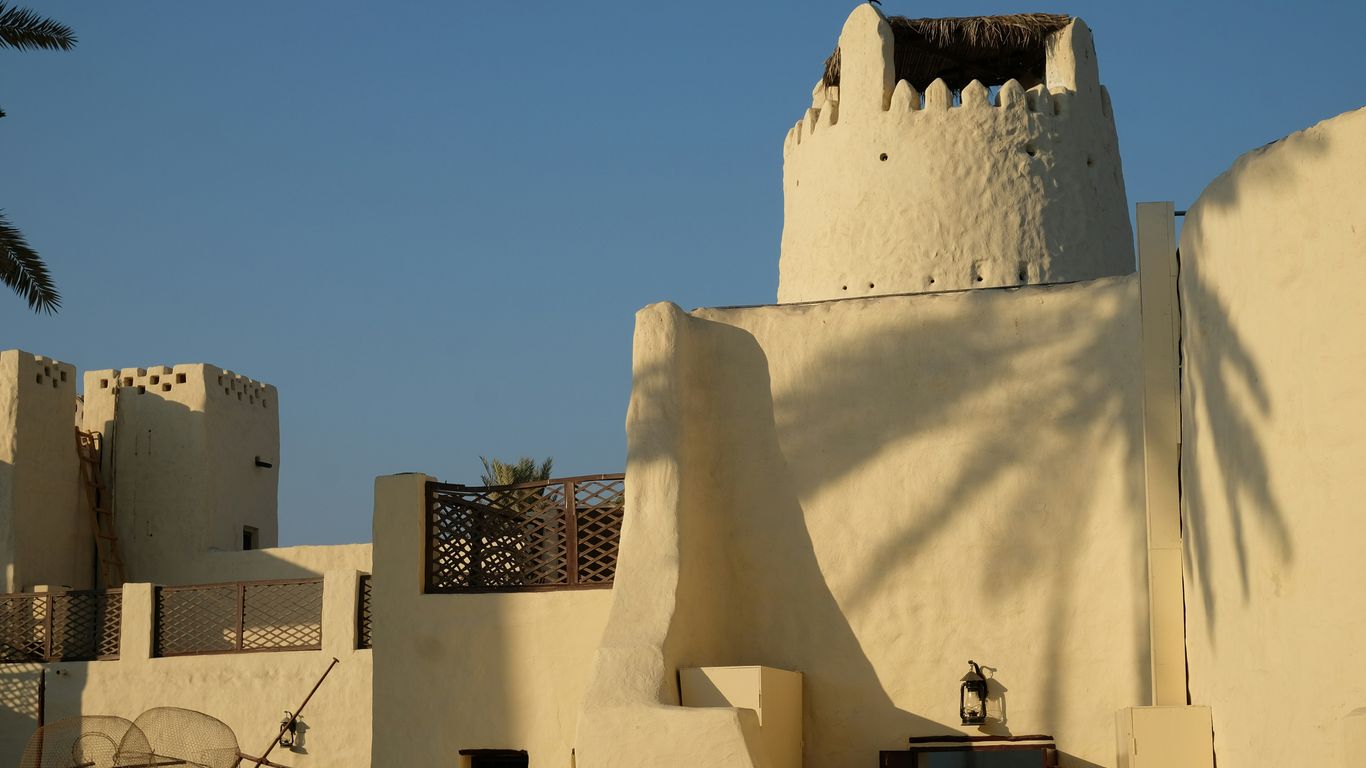
Hegra, located in AlUla, is Saudi Arabia’s first UNESCO World Heritage Site, and it’s a stunner. This place was a major hub for the Nabataeans, the same folks who built Petra. They carved these incredible tombs right into the sandstone cliffs about 2,000 years ago. You can still see over 100 of them, decorated with all sorts of symbols. It feels like stepping back in time.
Nabataean Tombs: Over 100 intricately carved burial sites.
Sandstone Cliffs: Dramatic natural formations housing ancient structures.
Historical Significance: A vital center for trade and culture in antiquity.
Al Balad: Jeddah’s Historic Trading Port
Down in Jeddah, there’s Al Balad, the old town. This place was a super important trading port on the Red Sea for ages, and it was also a gateway for pilgrims heading to Mecca. The buildings here are made from coral stone and teak wood, with these really distinctive latticed balconies called rawsheen. They’re doing a great job restoring these old merchant houses, turning some into really cool heritage hotels. It’s a glimpse into Jeddah’s past as a bustling international city.
The World’s Largest Living Museum: AlUla
AlUla is often called the ‘world’s largest living museum,’ and honestly, it kind of feels like it. It’s not just Hegra; the whole region is packed with history. You’ve got ancient rock inscriptions at Jabal Ikmah, and areas that have been inhabited for thousands of years by different cultures. Plus, there are modern art installations popping up in the landscape, like James Turrell’s work. It’s this amazing mix of old and new, all set against a breathtaking desert backdrop. It really makes you think about how places and perspectives can shift so dramatically.
The rapid transformation of Saudi Arabia, from its economic shifts to its embrace of tourism and cultural expression, is mirrored in the careful preservation and innovative presentation of its UNESCO World Heritage sites. These locations offer a tangible connection to the past while serving as canvases for contemporary creativity and future aspirations.
Saudi Arabia is home to amazing places recognized by UNESCO, like ancient cities and stunning natural wonders. These sites tell stories of the past and show off the country’s unique beauty. Discover these incredible locations and plan your unforgettable journey. Visit our website to learn more and book your adventure today!
More Than Just a Stay
So, Saudi Arabia is really stepping up its game when it comes to heritage travel. It’s not just about seeing old buildings anymore; it’s about actually staying in them and getting a feel for what life was like. With places like Al Balad in Jeddah and the ancient sites around AlUla, you can really connect with the country’s past. Plus, having guides and these unique hotels makes it all so much easier and more interesting. It feels like a whole new way to explore, blending history with real comfort. Definitely worth checking out if you’re looking for something different.
Frequently Asked Questions
What are Saudi heritage hotels?
These are special hotels that have been opened in old, historic buildings in Saudi Arabia. Many are located in areas that are recognized by UNESCO for their historical importance, like Al Balad in Jeddah and Hegra in AlUla. They offer a unique way to stay, blending old-world charm with modern comforts.
What makes staying in Al Balad special?
Al Balad is a historic trading port in Jeddah, now a UNESCO World Heritage site. Staying in a heritage hotel here means you’re sleeping in beautifully restored merchant houses. These places keep their original features, like coral stone walls and wooden balconies, giving you a real feel for the past while enjoying a luxurious stay.
What can I expect at Hegra, AlUla?
Hegra is another UNESCO site, famous for its ancient Nabataean tombs carved into sandstone cliffs. The Chedi Hegra is the only hotel located right inside this amazing place. Staying there gives you special access to parts of Hegra that others can’t see, and you can explore the area with guided tours, even in vintage Land Rovers or by hot air balloon.
Are there other types of unique stays in Saudi Arabia?
Yes! Beyond the historic houses, you can find glamping experiences under the stars in AlUla, like at Husaak Glamping. Saudi Arabia is also developing new luxury destinations focused on wellness and unique experiences, such as Amaala, and futuristic projects like Neom and Qiddiya City.
What kind of activities can I do near these heritage hotels?
Near the Al Balad hotels, you can visit museums like the Tariq Abdulhakim Centre, explore modern art at teamLab Borderless, and discover local artisan workshops. In AlUla, activities include private guided tours of Hegra, hot air balloon rides, and exploring the unique desert landscapes.
Can I experience local food at these hotels?
Many heritage hotels offer a taste of local culture through their food. Beit Jokhdar has an excellent restaurant, and you can often enjoy traditional Saudi coffee and local treats. Even if meals aren’t included, the hotels are usually located near places where you can savor authentic Saudi flavors.
What is the significance of Saudi Arabia’s UNESCO sites?
Saudi Arabia has incredible UNESCO World Heritage sites that show its rich history. Hegra, for example, is a stunning ancient city with tombs carved by the Nabataeans. Al Balad in Jeddah was a vital trading port. These sites are important for understanding the region’s past and are being preserved for the future.
What are the future plans for tourism in Saudi Arabia?
Saudi Arabia is investing heavily in tourism, with big projects like Neom (including The Line and Trojena), Qiddiya City (a place for entertainment), and Amaala (focused on wellness). They aim to offer a wide range of unique experiences for visitors, blending modern innovation with natural beauty and cultural heritage.