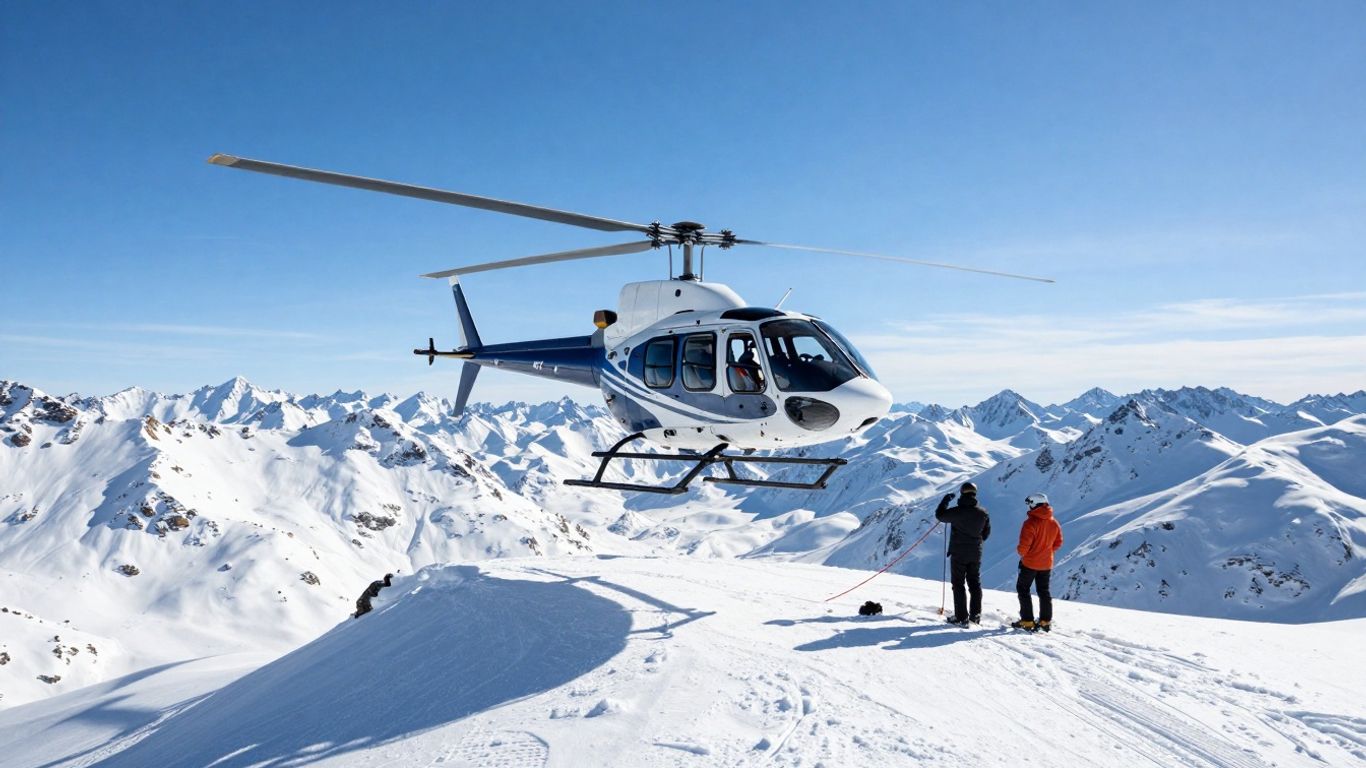
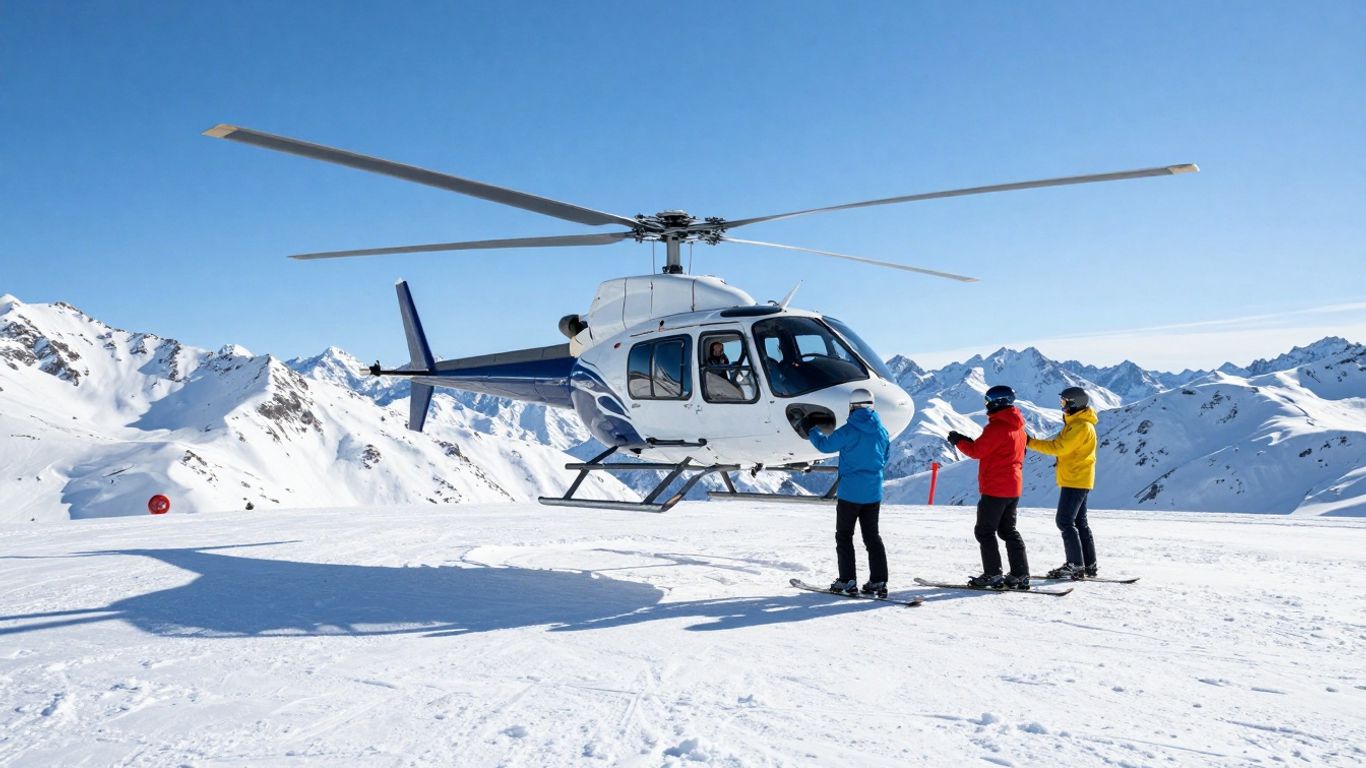
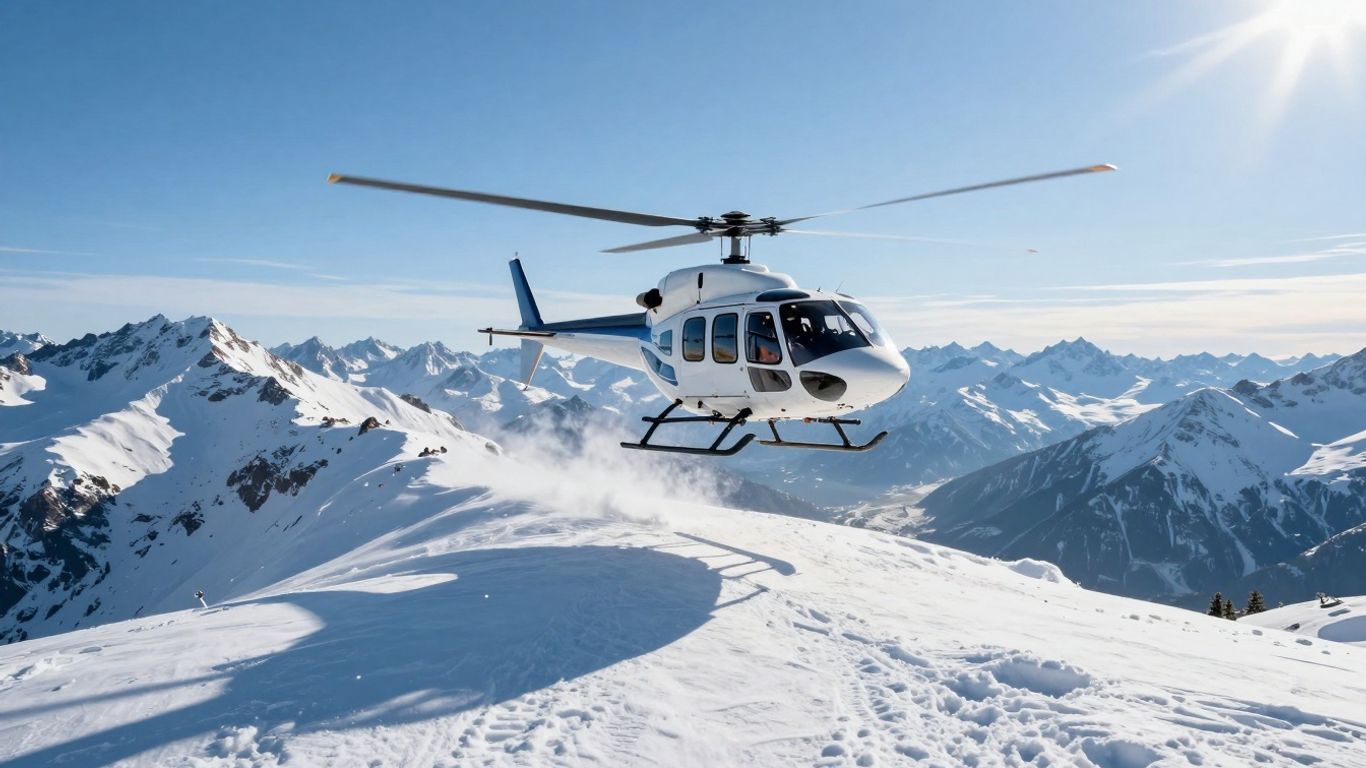
Thinking about hitting the slopes via helicopter? It’s a pretty amazing way to experience the mountains, but there’s definitely more to it than just hopping on a chopper and pointing your skis downhill. From getting to the lodge to making sure you’re safe in the backcountry, there’s a lot to consider. This guide breaks down what you need to know for an epic Alpine Heli-Ski Transfers adventure, covering everything from safety to what to pack.
Key Takeaways
Choosing the right Alpine Heli-Ski Transfers is key for a smooth start to your trip, affecting travel time and overall convenience.
Safety comes first: always go with certified guides and understand avalanche safety gear and techniques; it’s not just for the pros.
Helicopter choice matters; smaller choppers mean smaller groups and more flexibility, while larger ones carry more people but might mean longer waits.
Be realistic about your skiing skills and fitness level. You need to be able to handle yourself in powder and keep up with your group.
Understand the pricing models, whether it’s unlimited vertical or pay-as-you-go, and factor in insurance and extra costs for a clear picture of the total expense.
Embarking on Your Alpine Heli-Ski Adventure
Getting ready for a heli-ski trip is like preparing for a grand expedition into the heart of the mountains. It’s an experience that promises untouched powder and breathtaking landscapes, a true escape from the everyday. This adventure is about more than just skiing; it’s about immersing yourself in the wild beauty of the alpine.
Understanding the Allure of Heli-Skiing
Heli-skiing calls to those who dream of skiing slopes no one else has touched. Imagine being dropped by a helicopter onto a remote peak, the only tracks you’ll make being the first ones in fresh snow. It’s this sense of exploration and the pursuit of perfect powder that draws so many enthusiasts. The sheer scale of the terrain, combined with the exclusivity of accessing it via helicopter, creates an unparalleled adventure. It’s a chance to ski vast bowls, steep faces, and long couloirs, all under the guidance of experienced professionals.
Choosing the Right Alpine Heli-Ski Transfers
When you decide to go heli-skiing, the ‘transfer’ isn’t just about getting from point A to point B; it’s about how you access the best terrain. This usually involves a helicopter flight from a base lodge or a nearby town. The type of helicopter and the logistics of the operation play a big role in your experience. Some operations might fly you to a remote lodge where you’ll spend your days skiing, while others might offer day trips from a more accessible location. Think about what kind of trip you want: a remote, immersive experience or a more flexible day-trip option. The transfer is the gateway to your skiing adventure.
Essential Preparations for Your Journey
Getting ready for a heli-ski trip involves more than just packing your skis. It’s about being physically prepared and having the right mindset. Here’s a quick rundown of what to consider:
Physical Fitness: Heli-skiing can be demanding. Being in good shape will help you enjoy your days more and ski with confidence. Focus on leg strength and cardiovascular endurance.
Skiing Ability: You don’t need to be a pro, but a solid intermediate level (comfortable on blue runs) is generally recommended. Being able to ski varied snow conditions, including powder, is key.
Gear Check: Make sure your ski equipment is in good working order. This includes your skis, boots, and poles. You’ll also need appropriate outerwear for cold and snowy conditions.
Mindset: Be ready for adventure! Mountain weather can change quickly, and plans might need to adapt. A flexible and positive attitude is your best companion.
The mountains offer a unique challenge and reward. Being prepared physically and mentally allows you to fully embrace the experience, from the thrill of the helicopter ride to the quiet solitude of a fresh powder run. It’s about respecting the environment and enjoying the incredible opportunities it presents.
Mastering Mountain Safety: Avalanche Awareness
The Crucial Role of Avalanche Professionals
When you’re heading out into the backcountry for heli-skiing, the people guiding you are more than just ski buddies; they’re trained professionals. These guides are the backbone of your safety, holding certifications from organizations like the International Federation of Mountain Guides Associations (IFMGA) or its Canadian affiliate, the Association of Canadian Mountain Guides (ACMG). This means they’ve put in years of training and have been tested to high standards. They’re constantly looking at the snowpack, checking weather forecasts, and assessing the terrain to find the best and safest lines for you. They’re not just there to show you the powder; they’re there to make sure you get back safely.
Essential Safety Gear and Its Use
Your safety gear is your lifeline in the mountains. You’ll be equipped with an avalanche airbag backpack, which can significantly increase your chances of staying on the surface if a slide occurs. You’ll also use an avalanche transceiver, a probe, and a shovel. The transceiver is a small device you wear that emits a signal, allowing others to locate you if you’re buried. The probe is used to pinpoint your exact location once you’re close, and the shovel is for digging you out. Your guides will show you exactly how to use all of this equipment, and it’s important to pay attention. They’ll also check that your transceiver is set to ‘send’ mode before you head out.
Avalanche Transceiver: Worn by everyone, set to ‘send’ mode.
Avalanche Airbag Backpack: Deploys to help keep you on the surface.
Probe: Used for pinpointing a buried victim.
Shovel: For digging out a buried victim.
Practicing Avalanche Rescue Techniques
Knowing how to use the gear is one thing, but practicing is what makes it effective when it really counts. On your first day, you’ll likely participate in an avalanche rescue simulation. Your guide will bury a transceiver, and the group will practice finding it and digging. This isn’t just for show; it’s a critical drill. Remember, the people who will be digging you out are your fellow skiers, so paying attention during these practice sessions is vital for everyone’s safety. You’ll learn the systematic search protocol, how to use the probe efficiently, and how to dig quickly. This hands-on experience builds confidence and preparedness.
Safety in the backcountry isn’t just about having the right gear; it’s about knowing how to use it and trusting your guides. They are constantly evaluating conditions, and your active participation in safety briefings and practice sessions makes the whole experience safer for the group.
Helicopter Logistics and Aircraft Options
When you’re planning a heli-ski trip, the helicopter itself is a pretty big deal. It’s not just about getting from point A to point B; it’s about how you get there and who you’re sharing that ride with. The type of aircraft and the size of your group can really change the whole experience.
Navigating Helicopter Types for Heli-Skiing
Different helicopters are suited for different operations. You’ll often hear about the A-Star, which is a popular choice for smaller, more intimate groups. It usually fits about four guests in the back, with the pilot and guide up front. These are known for being nimble and easy to get in and out of. Then there are the larger birds, like the Bell 205, 206, or 212. These can carry more people, sometimes up to eleven guests plus the pilot and guide. While they can be more cost-effective per person, they also mean larger ski groups and potentially longer times getting everyone loaded and unloaded.
Understanding Group Sizes and Helicopter Capacity
The number of people in your group per helicopter is a key factor. Smaller helicopters with fewer guests mean a more personal feel and often more flexibility in accessing certain terrain. You might find yourself in a group of 4 to 6 people. Larger helicopters mean bigger groups, which can be fine, but it’s worth considering if you prefer a more exclusive experience. Some operators offer private or semi-private packages, which means you’ll have the helicopter almost entirely to yourselves, leading to the most tailored experience.
Optimizing Travel Time and Convenience
Think about how much time you want to spend traveling versus skiing. Some operations are located closer to airports, allowing for more skiing time, even on your arrival and departure days. Others might require more travel time to get to the lodge. If you’re on a shorter trip, minimizing travel is a big plus. Also, some places offer backup options like cat-skiing in case the weather prevents the helicopter from flying, which can save a day and add convenience.
The choice of helicopter and group size directly impacts the pace and style of your heli-skiing days. Smaller groups in nimble aircraft can often access more varied terrain and spend less time waiting, while larger helicopters might offer a more economical per-person rate but with a different group dynamic.
Skill Requirements and Physical Conditioning
Heli-skiing is an amazing experience, but it’s not for everyone. You need to be ready for it, both on your skis and with your body. Let’s break down what you should expect.
Assessing Your Skiing Ability for Heli-Adventures
Most heli-ski operations look for skiers who are comfortable and in control on a variety of terrain, especially in powder. While some places might say ‘intermediate,’ it’s usually a baseline. You should be able to ski confidently in ungroomed snow and handle steeper slopes. Think about your ability at a resort – can you ski any run there without a problem? If the answer is yes, you’re likely in good shape. If you’re still working on linking turns in deep snow or feel nervous on black diamonds, it might be worth getting more practice before your trip. It’s better to be overprepared than to hold back your group or feel stressed out on the mountain.
The Importance of Peak Physical Fitness
This isn’t just about skiing; it’s about the whole experience. You’ll be getting in and out of helicopters, hiking short distances sometimes, and skiing for hours on end. Being in good physical shape makes a huge difference. It means you can keep up with the group, enjoy the skiing more, and reduce the chance of fatigue-related mistakes. Think about building your stamina and leg strength. Activities like hiking, cycling, or even just regular gym workouts can help.
Ensuring a Compatible Group Dynamic
Skiing with a group where everyone has similar skills and fitness levels makes the day smoother and more fun for everyone. If there’s a big gap, it can slow things down or put pressure on individuals. Many operators try to group people by ability, but it’s also a good idea to talk with your own friends before booking. Make sure everyone going on the trip is on the same page about the physical demands and the skiing style.
Being physically prepared means you can focus on the incredible scenery and the thrill of the descent, rather than worrying about keeping up or getting tired. It’s about maximizing your enjoyment and safety in the backcountry.
Structuring Your Heli-Ski Days
Planning your heli-ski days is all about balancing the thrill of big mountain descents with smart, progressive skiing. It’s not just about dropping into the steepest couloir right away. A well-structured day ensures you get the most out of your time in the air and on the snow, while also building confidence and adapting to the conditions.
The Rhythm of Warm-Up Runs and Big Objectives
Most heli-ski operations start the day with a few warm-up runs. This isn’t just to get your legs moving; it’s a critical part of the safety protocol. Guides use these initial descents to assess the group’s skiing ability, check snow stability, and ensure everyone is comfortable with the helicopter procedures. Think of it as a gentle introduction before the main event. These runs are often on more mellow slopes, allowing everyone to get a feel for the snow and their gear. The goal is to build momentum and trust before tackling more challenging terrain.
Here’s a typical flow:
Morning Briefing: Review of the day’s forecast, avalanche conditions, and flight plan.
Warm-Up Runs: Shorter descents on less committing terrain to gauge the group and snowpack.
First Big Objective: Once the team is dialed in, the guides will lead you to a more significant descent.
Subsequent Runs: A mix of terrain based on group preference, conditions, and available vertical.
Adapting to Weather and Snow Conditions
Mountain weather can change in an instant, and so can the snowpack. Your guides are constantly monitoring these factors. A sunny morning can turn into a whiteout, or a seemingly stable snowpack can reveal hidden instabilities. Flexibility is key. If the planned terrain isn’t safe or enjoyable due to conditions, the guides will have alternative areas in mind. This might mean skiing different aspects, lower elevations, or even switching to a backup plan like cat-skiing if the helicopter can’t fly. Being prepared for these shifts means you’re more likely to have a productive day, even if it looks different from the initial plan. It’s about making the best of what the mountain offers on any given day.
The mountain dictates the day. While we plan for epic descents, safety and good judgment always come first. Trust your guides to make the right calls, and you’ll be rewarded with incredible skiing.
Maximizing Your Skiing Time
Efficient logistics are vital for getting the most vertical feet. This involves smooth transitions between skiing and flying. When the helicopter lands, skiers should be ready to disembark quickly. Similarly, when you reach the pickup point, everyone should be gathered and prepared for loading. Minimizing downtime means more time skiing. This is where good communication with your guides and fellow skiers really pays off. Understanding the process and being prepared can make a significant difference in how many runs you fit into your day. For those looking for extended trips, consider operators that offer longer packages, allowing for more skiing and less travel time, perhaps even exploring options similar to those found in Fiji.
Factors influencing skiing time:
Group Efficiency: How quickly your group loads and unloads.
Pilot and Guide Coordination: Smooth communication between the flight crew and skiers.
Terrain Accessibility: How quickly you can reach the desired skiing areas.
Weather Delays: Unavoidable interruptions due to poor flying conditions.
Understanding Heli-Ski Pricing Models
When you’re looking at heli-skiing trips, the way companies charge can seem a bit confusing at first. It’s not like buying a lift ticket at your local resort. There are generally two main ways operators structure their prices, and understanding them helps you figure out what you’re getting for your money.
Unlimited Vertical vs. Pay-As-You-Go Options
This is the big one. Some operations offer what’s called ‘unlimited vertical.’ You pay a set price for the trip, and you can ski as much as the helicopter can fly you in a day or week. The idea is that you don’t have to worry about how many feet you’re skiing; just go for it. This can be great if you’re a strong skier who wants to pack in as much powder as possible. You know your total cost upfront, which is nice.
On the flip side, there’s the pay-as-you-go model, or more commonly, a package that includes a guaranteed minimum amount of vertical feet. If you ski more than that minimum, you pay extra for each additional thousand feet. This can sometimes be more cost-effective if the weather is bad or if you’re not skiing quite as much as you expected. You’re not paying for vertical you don’t use.
Here’s a quick look at how they stack up:
Pricing Model
Pros
Cons
Unlimited Vertical
Predictable cost, encourages skiing without watching the clock.
Can be more expensive if you ski less than average; potential operator incentive to fly less.
Guaranteed Minimum + Extra
Potentially lower cost if you ski less; pay only for what you use.
Extra costs can add up quickly; requires careful tracking of vertical feet.
Evaluating the Value of Your Heli-Ski Package
So, how do you decide which is a better deal? It really comes down to your skiing style and what you want from the trip. If you’re someone who loves to push their limits and ski all day long, unlimited vertical might be the way to go. You’re paying for the experience and the freedom to ski as much as you can handle.
If you’re more concerned about budget or if you’re not sure you’ll ski every single day to the max, a package with a guaranteed minimum might be smarter. You can do the math: figure out how many vertical feet you realistically expect to ski and compare that to the cost of extra runs. Sometimes, operators will let you pay for extra vertical in blocks, which can be a good middle ground.
Remember that the number of daylight hours can affect how much vertical you can actually ski, especially in winter months. Always check what’s included and what’s not.
Considering Additional Costs and Inclusions
Beyond the main pricing structure, there are other things to think about. Most heli-ski packages include your lodging, meals, guides, and safety gear like beacons, probes, and shovels. Some even include skis and poles. But what about extras?
Alcohol: Usually not included, so budget for après-ski drinks.
Massages: If your lodge offers them, these are typically an extra charge.
Tips: It’s customary to tip your guides and lodge staff. Ask your operator for their recommendations.
Travel Insurance: Absolutely a must-have, and make sure it covers heli-skiing and medical evacuation.
Extra Runs: If you’re on a pay-as-you-go plan, know the cost per thousand feet for additional skiing.
Doing a little homework on what’s included and what costs extra will help you avoid any surprises and make sure you’re getting the best value for your alpine adventure.
Essential Travel Insurance and Documentation
The Necessity of Comprehensive Travel Insurance
When you’re planning a trip that involves flying in helicopters to remote mountain locations for skiing, it’s really important to think about what could go wrong. Stuff happens, right? You might get sick before you even leave, or maybe your flight gets delayed and you miss your connection. That’s where travel insurance comes in. It’s not just a good idea; it’s a smart move to protect your investment and your well-being. Look for a policy that specifically covers heli-skiing activities, as some standard policies might exclude them. You want to be sure you’re covered if something unexpected pops up before or during your adventure.
Understanding Evacuation Coverage
This is a big one for heli-skiing. Because you’ll be out in the backcountry, often far from medical facilities, having good evacuation coverage is key. This means if you get injured and need to be transported to a hospital, your insurance will cover the cost. This can be incredibly expensive if you have to arrange it yourself. Make sure your policy clearly states the terms of medical evacuation, including any limits on the distance or type of transport. It’s better to have it and not need it, than to need it and not have it.
Required Documentation for Your Trip
Beyond insurance, there are a few other documents you’ll want to have handy. Your passport, of course, if you’re traveling internationally. You’ll also need any booking confirmations for your heli-ski package and accommodation. Some operators might require you to sign waivers before you arrive, so keep an eye on your email for those. It’s also a good idea to have digital and physical copies of your important documents, just in case. Think about keeping a list of emergency contacts separate from your phone, too.
Here’s a quick checklist:
Passport/ID
Heli-Ski Booking Confirmation
Travel Insurance Policy Details
Emergency Contact Information
Any required medical forms or prescriptions
Being prepared with the right paperwork and insurance means you can focus more on the incredible skiing and less on worrying about potential problems. It’s all part of setting yourself up for a smooth and memorable trip.
Packing for Your Ultimate Alpine Experience
Getting ready for a heli-ski trip is kind of a big deal, and what you pack can really make or break your time on the mountain. It’s not just about throwing your usual ski gear in a bag; this is a bit more specialized. Think about layers, protection, and comfort, because you’ll be out there all day, no matter the weather.
Key Clothing and Gear Recommendations
When you’re heading into the backcountry, layering is your best friend. You want to be able to adjust your warmth as you ski and as the temperature changes. Cotton is a definite no-go; it holds moisture and will leave you cold. Stick to merino wool or synthetic materials for your base layers.
Base Layer: A good moisture-wicking top and bottom. Think long underwear that keeps you dry.
Mid Layer: Something like a fleece jacket or a down vest. This is your insulation layer.
Outer Layer: A waterproof and breathable jacket and pants. These are your shield against wind and snow. Look for something with good ventilation.
Don’t forget about your extremities. You’ll want at least two pairs of warm, waterproof gloves or mittens. One pair might get wet, and having a dry backup is a lifesaver. Goggles are also super important. Bring a pair with interchangeable lenses, or at least a couple of pairs, so you’re ready for bright sun and flat light conditions. A helmet isn’t just for safety; it keeps your head warm too. Make sure it fits well and is comfortable for a full day of skiing.
What to Leave at Home
There are a few things that might seem like a good idea but can actually cause problems. Leave the fancy electronics like electric jackets or gloves at home unless cleared with your guide, as they can interfere with safety gear. Also, avoid bringing personal two-way radios; the guides will have their own communication systems that are designed for the mountain environment. Anything that could potentially interfere with avalanche transceivers or communication devices should be left behind.
Personal Items for Comfort and Enjoyment
Beyond the technical gear, think about what will make your trip more comfortable. A good pair of ski boots that are already broken in is non-negotiable. Seriously, uncomfortable boots can ruin everything. Consider bringing custom footbeds if you use them. A small backpack is useful for carrying extra layers, snacks, and water. And if you like to capture your adventures, a helmet-mounted camera is great, but check with your operator about their specific rules for on-board recording devices. Don’t forget sunscreen and lip balm with SPF; the sun at altitude can be intense, even on cloudy days.
Packing smart means you can focus on the incredible skiing and the amazing scenery, rather than worrying about being too cold, too hot, or uncomfortable. It’s all about being prepared so you can fully immerse yourself in the heli-skiing experience.
Capturing Memories: Photography and Videography
Documenting Your Heli-Skiing Feats
That feeling of floating down a pristine, untouched slope is something you’ll want to remember. And let’s be honest, sharing those epic moments with friends and family back home is part of the fun. Bringing a camera along can help you capture the sheer scale of the mountains and the thrill of the descent. Think about what kind of shots you want to get before you even pack your bags. Are you aiming for sweeping landscape photos, action shots of your turns, or maybe a video diary of your trip?
Camera Equipment Considerations
When choosing what gear to bring, keep it practical. A good action camera, like a GoPro, is a popular choice for its durability and ease of use. Many people opt for helmet mounts, which offer a great first-person perspective. However, it’s important to know that chest mounts are often not allowed. This is because they can potentially interfere with your avalanche transceiver, a critical piece of safety equipment. Always check with your heli-ski operator about their specific camera policies.
Action Camera: Durable, compact, and easy to mount.
Mounts: Helmet mounts are generally preferred and often required.
Extra Batteries & Storage: Cold weather drains batteries faster, and you’ll want plenty of space for photos and videos.
Safety Guidelines for On-Board Recording
Safety always comes first in the mountains. While capturing footage is exciting, it should never compromise your safety or the safety of others. Some electronic devices can interfere with avalanche safety gear. This includes things like electric jackets, foil-lined clothing, or even certain types of radios. Always follow your guide’s instructions regarding camera use and any restrictions on electronic devices. Never let your desire for a great shot put you or anyone else at risk.
It’s a delicate balance, trying to get that perfect shot while staying fully aware of your surroundings and the snow conditions. Your guide is there to help you navigate both the terrain and the safety protocols, so don’t hesitate to ask them for advice on where and when it’s safe to film.
Age and Eligibility for Heli-Skiing
Thinking about hitting the slopes via helicopter? It’s an amazing experience, but there are a few things to consider, especially when it comes to who can join the fun. Most heli-ski operations have specific age guidelines to keep things safe and enjoyable for everyone.
Minimum Age Requirements for Participants
Generally, you need to be at least 19 years old to participate in heli-skiing. This is pretty standard across the industry. It’s not just about being old enough to ski; it’s about having the maturity and experience to handle the unique environment and safety protocols involved in heli-skiing.
Guidelines for Younger Skiers
What if you’re younger than 19 but still a strong skier? Some places allow participants between 16 and 18 years old, but there are usually some extra rules. You’ll likely need a parent or legal guardian to be with you the entire time. This guardian also needs to sign off on waivers, often in person at the lodge. It’s also important that younger skiers are already quite skilled, comfortable in powder, and have some experience skiing off-piste. Think of it this way: if you’re pushing the limits on your local mountain, you’re probably ready to think about heli-skiing, but you’ll need that adult supervision.
Private Package Considerations for All Ages
Some heli-ski operators offer private packages. These can sometimes be more flexible when it comes to age. If you have a group with younger children who are excellent skiers and you’re looking for a more tailored experience, a private package might be an option. It’s worth contacting the heli-ski company directly to discuss your specific situation. They can often work with you to see if a custom trip is possible, especially if everyone in the group is a very capable skier and safety can be maintained.
Here’s a quick rundown of typical age policies:
Age Group
Standard Policy
Notes
19+
Generally eligible
Standard participation
16-18
Allowed with guardian; guardian must sign waivers
Must be strong skiers; guardian present at all times
Under 16
Typically only on private packages
Requires direct discussion with operator; very strong skiing ability
Remember, heli-skiing is an adventure sport. While the thrill is undeniable, safety and skill are paramount. Operators set these age and eligibility rules to ensure everyone has a fantastic and, most importantly, safe time in the mountains. Always check the specific requirements of the company you plan to book with.
Wondering if you’re old enough for an amazing heli-skiing adventure? While there isn’t a strict upper age limit, being in good physical shape is key. We recommend checking with your doctor if you have any health concerns. Ready to plan your trip? Visit our website to learn more about eligibility and book your unforgettable experience!
Your Alpine Adventure Awaits
So, you’ve learned about getting ready for those incredible heli-ski days, from understanding avalanche safety with the pros to making sure you’re warmed up and ready to go. It’s a lot to take in, I know, but it’s all part of making sure your trip is not just thrilling, but safe too. Remember, the guides are there to help, the gear is there to protect you, and a little preparation goes a long way. Think about those wide-open powder fields and the feeling of flying between peaks – it’s an experience unlike any other. Whether you’re a seasoned expert or looking to push your limits a bit, the mountains are calling. Get ready for an unforgettable journey into the heart of the alpine.
Frequently Asked Questions
What exactly is heli-skiing and why is it so special?
Heli-skiing means riding in a helicopter to reach amazing, untouched snowy mountains. You get dropped off way up high, far from crowded ski resorts. Then, you ski down fresh powder snow, often making the very first tracks. It’s special because you get to explore huge, wild areas and ski slopes that no one else has touched that day. It’s a truly unique adventure.
Do I need to be a pro skier to go heli-skiing?
You definitely need to be a good skier, but not necessarily a pro. Most places ask that you can comfortably ski down any run at a regular ski resort, including in powder snow. It’s important to be able to control your skis well. If you’re not a strong skier, you might slow down the group and not have as much fun. It’s best to be a strong intermediate or advanced skier.
What safety gear is used, and do I need to know how to use it?
Safety is super important! You’ll get special gear like an avalanche airbag backpack, which helps you stay on top of the snow if an avalanche happens. You’ll also use a beacon (a small tracker) and a probe. Guides will teach you how to use all of this. Practicing with this gear is part of the fun and makes sure everyone knows what to do in an emergency. Your guides are trained experts who constantly check the snow and weather to find the safest places to ski.
What kind of helicopters are used for heli-skiing?
Different helicopters are used depending on the company and how many people are going. Smaller ones, like the A-Star, usually carry about four skiers plus the pilot and guide. Bigger ones, like the Bell 205, can carry more people, up to eleven skiers. Smaller helicopters can be more flexible in reaching different spots, while bigger ones might mean skiing in slightly larger groups.
How are the days structured? Do we just ski all day?
Your heli-ski day usually starts with a few easier runs to warm up and get used to the snow. After that, you’ll go for bigger, more exciting runs down steep slopes or long valleys. The guides plan the day based on the weather and snow conditions to give you the best and safest skiing possible. You’ll ski a lot, but it’s a mix of warm-ups and major adventures.
What’s the difference between ‘unlimited vertical’ and ‘pay-as-you-go’ pricing?
Some trips charge a set price for the whole trip, and you can ski as much as you want (‘unlimited vertical’). This means you don’t have to worry about how many feet you ski. Other trips might have a base price and then charge extra if you ski more than a certain amount (‘pay-as-you-go’). It’s good to figure out which option is a better deal for you based on how much you plan to ski.
What should I pack for a heli-ski trip besides my ski gear?
Besides your ski clothes and gear, bring comfortable clothes for relaxing at the lodge – think casual wear. A swimsuit is great for hot tubs after skiing. Don’t forget things like sunscreen, lip balm, sunglasses, and any personal medications. Slippers for inside the lodge are also a good idea. And of course, a camera or phone to capture those amazing moments!
Is travel insurance really necessary for a heli-ski trip?
Yes, absolutely! Travel insurance is a must. Make sure your policy specifically covers heli-skiing and, very importantly, medical evacuation. This means if you get injured and need to be moved to a hospital by helicopter or plane, your insurance will cover the big costs. It also helps if your trip gets canceled or delayed for unexpected reasons.