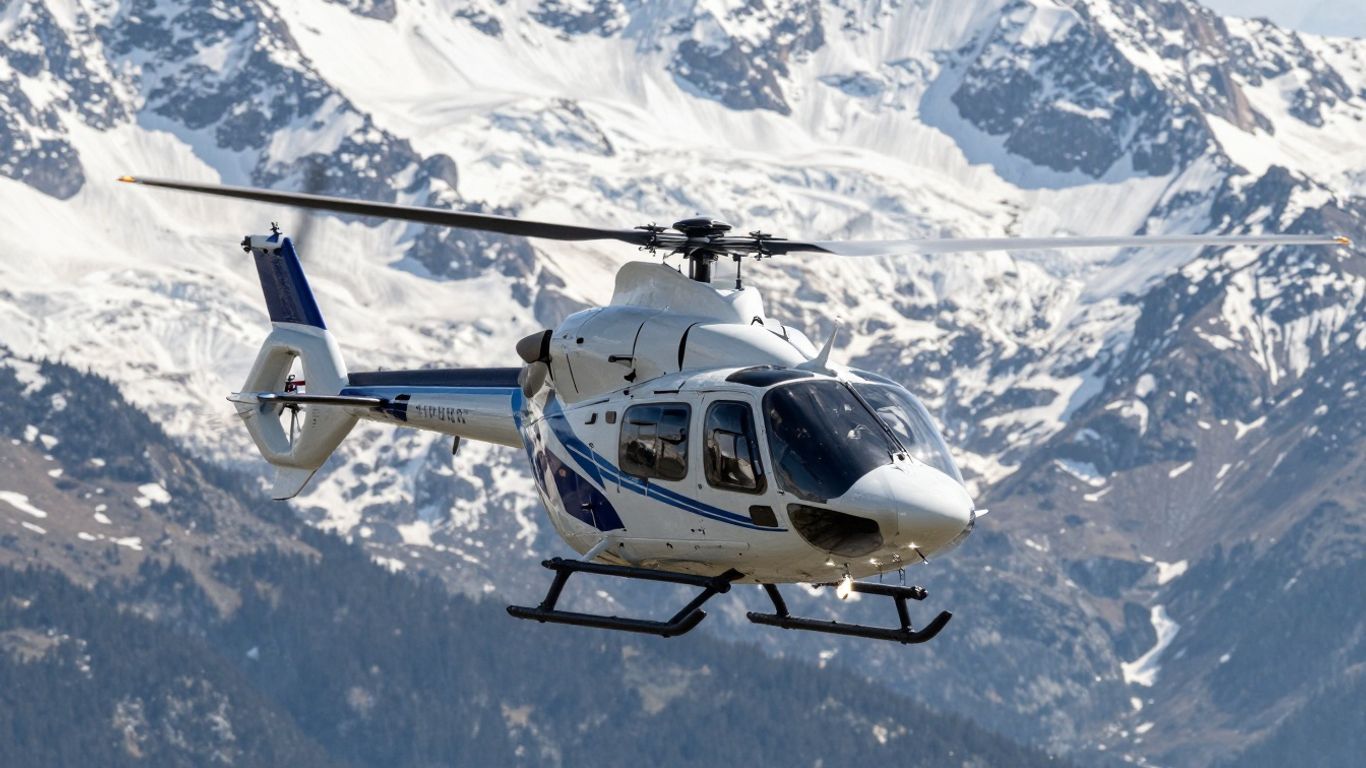
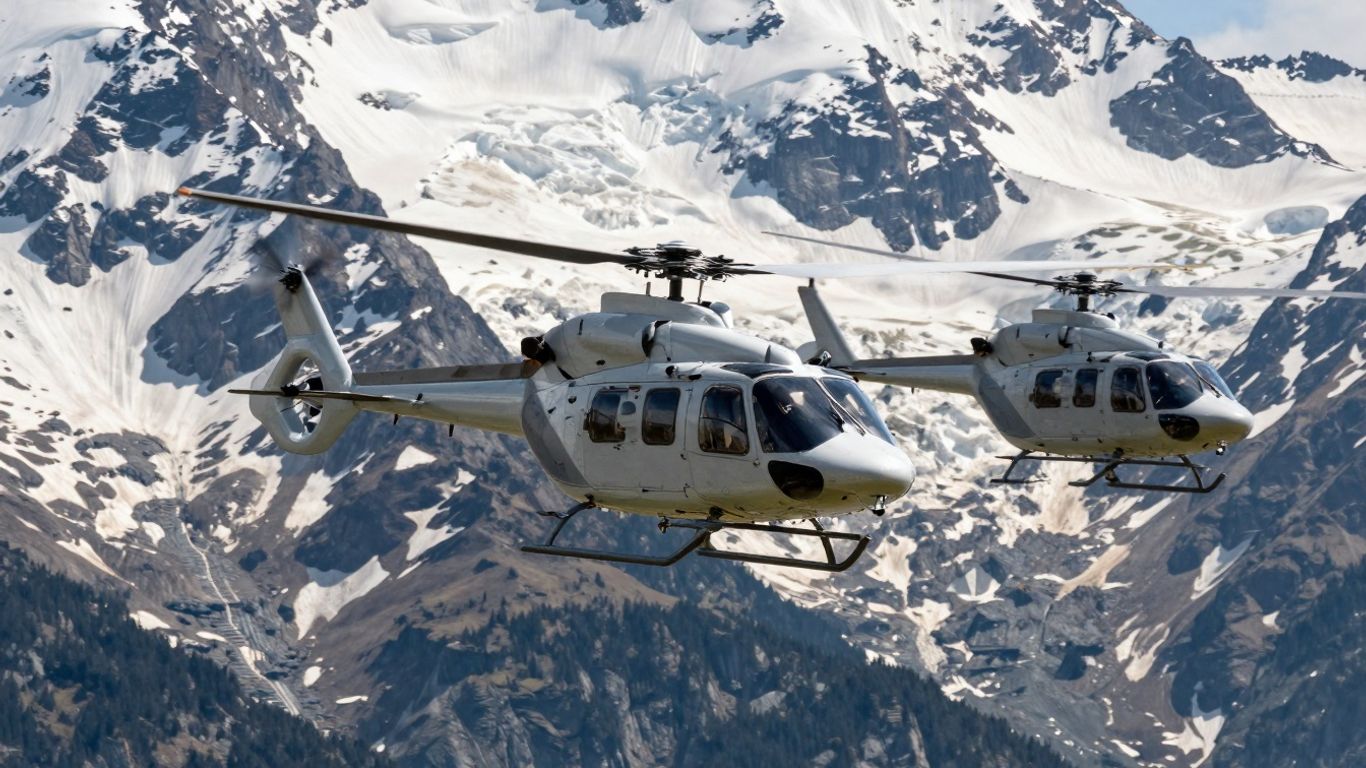
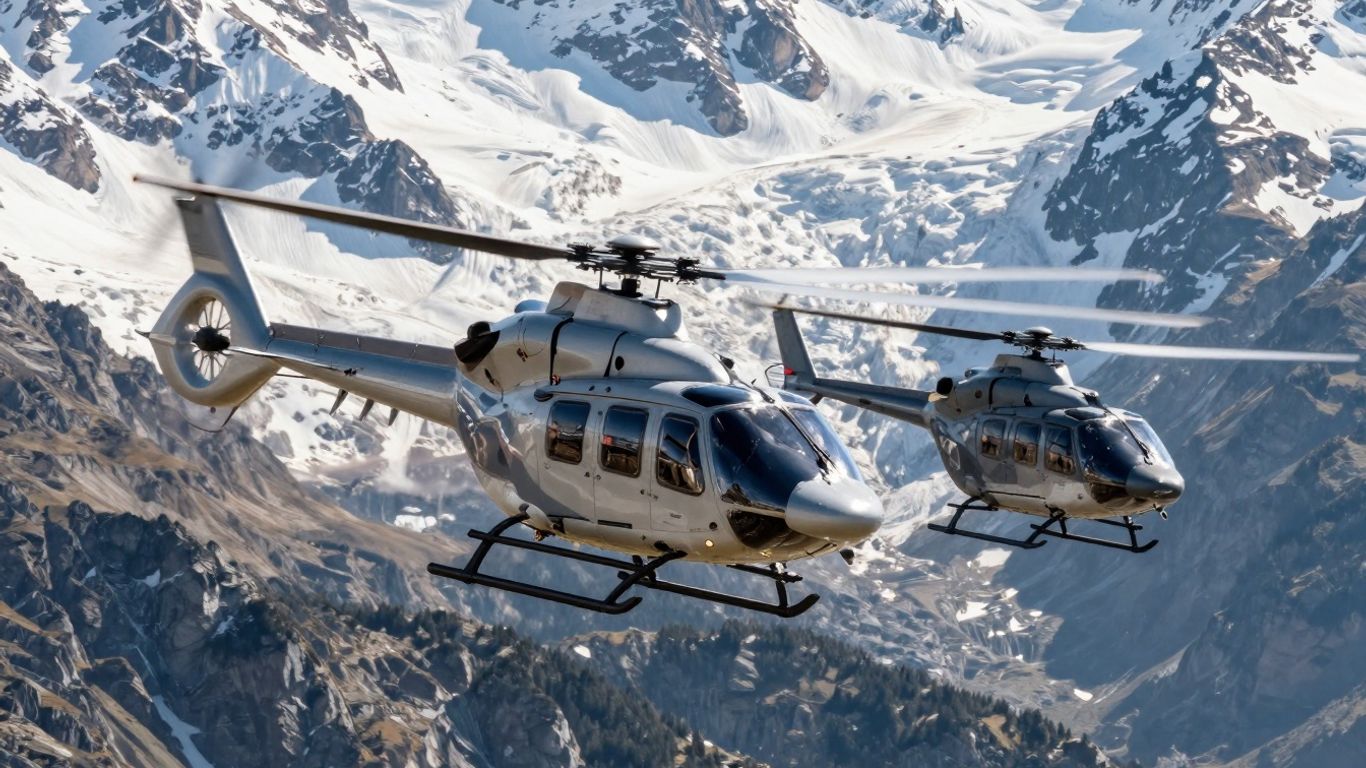
When you’re talking about getting around the Alps, especially for those fancy heli-transfers or if things go a bit sideways and you need a rescue, the choice of helicopter really matters. We’re going to look at two popular options, the Agusta AW109 and the Airbus H145, and see how the Helicopter AW109 vs H145 stacks up for these tough mountain jobs. It’s not just about getting from point A to point B; it’s about doing it safely, comfortably, and when the weather decides to throw a tantrum.
Key Takeaways
The Agusta AW109 is known for its quickness and nimble handling, making it great for fast trips in the mountains.
The Airbus H145 offers more space inside, which is good for carrying more people or gear, and it’s also noted for its quiet ride and safety systems.
Both helicopters can be equipped with advanced tech for flying in bad weather, like special navigation systems and ways to see better in low visibility, which is a big deal in the Alps.
Special rescue gear, like winches and long lines, can be fitted to these helicopters, making them useful for tricky mountain rescues where landing isn’t an option.
When picking between the Helicopter AW109 vs H145, think about what you need most: speed and agility, or space and a smoother passenger experience, all while keeping safety as the top priority.
Navigating Alpine Skies: Helicopter AW109 vs H145
Flying in the Alps presents a unique set of challenges, from unpredictable weather to rugged terrain. When it comes to helicopter transfers and safety in this demanding environment, two aircraft often come to the forefront: the Agusta AW109 and the Airbus H145. Each brings its own strengths to the table, making the choice between them a careful consideration of mission needs.
Performance in Challenging Alpine Terrain
The AW109 is known for its agility and speed, making it a nimble choice for quick hops between mountain peaks or accessing remote areas. Its responsiveness allows pilots to maneuver effectively in tight spaces. The H145, on the other hand, offers a bit more power and stability, which can be beneficial in gusty conditions often found in alpine valleys. While both are capable, their performance characteristics lean towards different operational styles.
Safety Features for Mountainous Operations
Safety is paramount when flying over mountains. Both the AW109 and H145 are equipped with advanced safety systems. The H145, in particular, often features a more spacious cabin and a design that prioritizes stability and redundancy. Modern avionics suites on both aircraft include features like terrain awareness and warning systems, which are vital for avoiding unseen obstacles. The integration of advanced navigation aids is key to operating safely in areas with limited visual references.
Passenger Comfort and Cabin Experience
For passenger transfers, comfort is a significant factor. The AW109 typically offers a more luxurious and intimate cabin, designed for a smaller number of passengers seeking a premium experience. The H145 boasts a larger cabin, which can accommodate more people or cargo, making it a versatile option for group transport or carrying specialized equipment. The choice here often depends on the number of passengers and the desired level of comfort versus utility.
Agusta AW109: Agility and Speed for Alpine Transfers
Agility and Responsiveness in Flight
The Agusta AW109 is a helicopter that really shines when you need to get around quickly and precisely, especially in tricky mountain areas. It’s known for being really nimble, making sharp turns and quick adjustments feel pretty natural. This responsiveness is a big deal when you’re flying close to mountain slopes or need to maneuver around obstacles. Pilots often mention how predictable it is, which builds a lot of confidence when the terrain gets challenging.
Speed and Efficiency for Rapid Transfers
When time is of the essence, the AW109 really steps up. It’s built for speed, allowing for faster travel between locations. This means you can get passengers to their destination or complete a transfer mission much quicker than with some other aircraft. For alpine transfers, where getting there promptly can be important, this speed is a major advantage. It helps maximize your time on the ground and minimizes travel time.
Luxurious Cabin for Discerning Travelers
Inside, the AW109 doesn’t skimp on comfort. It’s often kitted out with a really nice cabin, designed for a smooth and pleasant ride. Think plush seating and a quiet environment, which is great for passengers who value a bit of luxury. It’s the kind of cabin that makes you feel relaxed, even when you’re flying over rugged landscapes. It’s a good choice if you want to make the journey as comfortable as the destination.
The AW109’s design prioritizes a balance between performance and passenger experience, making it a popular choice for those who need swift, comfortable transport in demanding environments.
Here’s a quick look at some typical specs:
Feature
Specification
Max Speed
Approx. 177 mph (285 km/h)
Typical Seating
1 Pilot + 6 Passengers
Range
Approx. 500 miles (800 km)
Airbus H145: Spaciousness and Advanced Safety
When you think about moving groups or larger amounts of gear around the Alps, the Airbus H145 really stands out. It’s not just about getting from point A to point B; it’s about doing it with a bit more room and a lot more peace of mind. This helicopter is built with practicality and safety at its core, making it a solid choice for various alpine missions.
Spacious Interior for Group or Cargo
The H145 is known for its generous cabin space. Unlike some smaller, sleeker helicopters, the H145 can comfortably accommodate more passengers or a significant amount of cargo. This makes it ideal for transporting teams, equipment, or even for missions where space is a primary concern. Think of it as a versatile workhorse that doesn’t skimp on comfort.
Passenger Capacity: Typically seats up to 8 passengers, depending on configuration.
Cargo Flexibility: The large cabin can be reconfigured for different needs, from passenger transport to carrying supplies.
Ease of Access: Wide doors make boarding and unloading passengers or equipment straightforward.
Enhanced Safety Systems and Reliability
Safety is a big deal in the mountains, and the H145 comes equipped with a suite of advanced systems. It’s designed to be a reliable partner, even when conditions get tricky. The twin-engine setup is a significant safety feature, providing power redundancy should one engine experience an issue. This adds a layer of confidence for pilots and passengers alike.
The H145’s design prioritizes operational safety through redundant systems and advanced flight controls, aiming to minimize risks in demanding environments.
Quiet Operation for Sensitive Environments
Another point in the H145’s favor is its relatively quiet operation. This isn’t just about passenger comfort; it’s also important when operating near sensitive areas, like remote villages or wildlife habitats in the Alps. A quieter approach means less disturbance, which can be a significant advantage.
Reduced Noise Footprint: Contributes to a more peaceful environment during takeoffs and landings.
Improved Communication: Lower cabin noise allows for clearer communication between the flight crew and passengers.
Environmental Consideration: Minimizes impact on local communities and wildlife.
The H145’s combination of spaciousness, robust safety features, and quieter operation makes it a compelling option for alpine transfers where practicality and security are paramount.
All-Weather Capabilities for Uninterrupted Service
Flying in the Alps means dealing with weather that can change in a heartbeat. For helicopter transfers and safety operations, being able to fly regardless of what’s happening outside is a big deal. This is where advanced technology and pilot training really come into play.
Instrument Flight Rules (IFR) Infrastructure
Think of IFR as a set of rules and systems that let pilots fly safely even when they can’t see much outside. For a long time, flying in mountains under IFR was tricky. But now, with better tech, we’re seeing more IFR routes being set up, even in remote valleys. This means helicopters can follow these ‘invisible roads’ to get to where they need to go, or at least to a point where they can see enough to land safely.
Rega, a Swiss air rescue service, has been a leader in this, working with air traffic control to create IFR routes across the Swiss Alps. They’ve equipped their helicopters with special navigation gear to use these routes.
This infrastructure helps avoid bad weather situations that have caused accidents in the past.
It allows for more reliable transport, especially for medical emergencies.
The goal is to keep operations going, no matter the conditions, making sure help can arrive when it’s needed most.
Advanced Avionics and Navigation Systems
Modern helicopters like the AW109 and H145 are packed with sophisticated avionics. These are the electronic systems that help pilots fly the aircraft. We’re talking about GPS, weather radar, and systems that show pilots exactly where they are and what’s around them. These systems are key for IFR flying and for making smart decisions when the weather is rough.
System Type
Function
Benefit
GPS/SBAS
Precise positioning
Reliable navigation in all conditions
Weather Radar
Detects precipitation
Helps avoid storms and turbulence
Terrain Awareness
Maps surrounding landscape
Prevents collisions with mountains
Weather Monitoring and Data Transfer
Knowing the weather is half the battle. Services are now using networks of weather stations and webcams in the mountains to get real-time updates. This information is sent directly to the helicopter’s cockpit and the operations center. This means pilots and dispatchers have the most current weather picture, allowing them to plan flights more effectively and make safer choices. It’s like having a personal weather forecaster right there with you.
Winch Operations and Specialized Rescue
Rega’s Expertise in Winch Rescues
When the terrain is just too tricky for a helicopter to land, even for a quick stop, winching becomes the go-to method. Think steep slopes or areas packed with trees – places where rotor blades could easily get too close for comfort. This is where specialized winch operations shine. Organizations like Rega have made this a core part of their alpine rescue work. They use cables, sometimes up to 90 meters long, to lower a rescuer to someone in need and then lift them back up. It’s a careful dance between the pilot, the rescuer on the ground, and the crew inside the helicopter. This intricate process requires incredible teamwork and clear communication.
Long-Line Capabilities for Vertical Rescues
For those really tough spots, like sheer rock faces or overhangs where a rescuer can’t even get close to the ground, a longer cable system comes into play. This ‘long-line’ can extend much further, sometimes up to 200 meters. It allows a rescuer to be lowered precisely to a climber or hiker who might be stuck in a precarious position. It’s a technique that opens up rescue possibilities in places that would otherwise be completely inaccessible.
Specialized Patient Handling Equipment
Getting someone out of a tough spot is only half the battle. Once rescued, especially in the mountains, patients might have serious injuries. Dealing with spinal issues or broken bones requires extreme care to avoid causing more pain or damage. To handle this, specialized gear is used. For instance, a ‘vacuum sack’ can immobilize a patient securely, making them stable for transport. Then, they might be placed in a special ‘air rescue sack’ that attaches to the winch. This allows them to be safely lifted into the helicopter or even flown suspended to a more accessible spot before being transferred. It’s all about making the transport as safe and gentle as possible, no matter the initial injury.
Night Vision and Obstacle Avoidance Technology
Flying in the Alps presents unique challenges, especially when daylight fades. Both the AW109 and H145 can be equipped with advanced systems to help pilots see better and avoid hazards in low-light conditions or poor visibility.
Night Vision Goggles (NVG) Integration
Many helicopter missions happen after dark, and spotting things like power lines or even clouds can be tough. Pilots can use Night Vision Goggles (NVGs). These special goggles make existing light brighter, sometimes by a lot, showing a green-tinted view of the world. Roads, clouds, and the ground become clearer. However, in really dark spots, like deep valleys with little moonlight and heavy clouds, NVGs don’t help much. They’re also usually not used for landing or winch work because pilots need to judge distances very precisely.
ClearVision HeliEVS for Enhanced Visibility
Some operators are using systems like Elbit’s ClearVision HeliEVS. This technology combines images from a high-definition camera and an infrared sensor to create a single, clear picture. It can even pick out lights from helipads or other landing spots. The images are shown on a display, often in the pilot’s helmet, helping them spot potential dangers even when it’s hard to see.
Laser Obstacle Avoidance Systems
Another layer of safety comes from systems that use lasers to detect obstacles. These systems can spot all sorts of things, especially thin ones like power lines or cable car wires that are common in mountainous areas. Getting an early warning lets the pilot make adjustments to their flight path before a problem occurs.
These technologies are vital for extending operational hours and improving safety in complex alpine environments.
Pilot Training and Simulator Proficiency
Flying helicopters in the Alps isn’t like taking a Sunday drive. It demands a really high level of skill, especially when you’re dealing with tricky weather and tight spots. That’s where pilot training and simulator work come in. It’s all about making sure the folks in the cockpit are ready for anything.
Rigorous IFR Pilot Training Regimens
To fly in less-than-perfect weather, pilots need to be trained for Instrument Flight Rules (IFR). This means they can fly using just their instruments, without seeing outside. For this, pilots go through a lot of classroom learning, often hundreds of hours. Then comes the flight training itself, with a minimum number of hours spent actually in the air, practicing these skills. It’s a serious commitment to get that IFR rating.
Advanced Flight Simulator Capabilities
Simulators are a huge part of modern pilot training. They can recreate almost any flying situation imaginable, from bad weather to emergency scenarios. For helicopters like the AW109 and H145, simulators are equipped with realistic visuals and controls. This allows pilots to practice complex maneuvers, like winch operations or flying in narrow valleys, without any real-world risk. Many simulators are so advanced they can even be used for official check flights, which is a big deal for keeping pilots current.
Realistic Environment Simulation: Replicates alpine terrain, weather, and lighting conditions.
Emergency Scenario Training: Practice for engine failures, system malfunctions, and unexpected weather changes.
Winch and Hoist Operation Practice: Allows crews to train together on rescue procedures in a safe setting.
Night Vision Goggle (NVG) Integration: Simulates NVG use for low-light operations.
The ability to practice challenging scenarios repeatedly in a simulator builds muscle memory and confidence. This translates directly to safer decision-making when faced with similar situations in actual flight.
Crew Coordination for Complex Missions
Most serious helicopter missions, especially rescues, aren’t a one-person job. It’s about the whole team working together. This includes the pilots, but also any medical crew or winching specialists on board. Training programs focus heavily on how everyone communicates and coordinates their actions. This is especially important during complex operations like a mountain rescue, where clear communication can mean the difference between success and failure. Practicing these team dynamics in the simulator helps everyone know their role and how to support each other when the pressure is on.
Operational Considerations and Cost-Effectiveness
Direct Operating Costs (DOCs) Comparison
When looking at helicopters for demanding jobs like alpine transfers, the numbers really matter. It’s not just about the sticker price; it’s about what it costs to keep them flying day in and day out. Factors like how often parts need replacing, fuel burn, and the general upkeep all add up. While both the AW109 and H145 are capable machines, their running costs can differ. The AW109, often favored for its speed, might have a different cost profile compared to the H145, which is known for its spaciousness and payload. Understanding these direct operating costs is key to making a smart, long-term decision.
Range and Fuel Efficiency Factors
Getting to where you need to go, especially in the mountains, requires a good look at how far these helicopters can fly and how much fuel they use. The AW109 generally has a good reputation for speed and efficiency, often cruising in the 140-150 knot range, which helps cover ground quickly. The H145, while spacious, might have a slightly different fuel consumption curve. For operations where you’re covering long distances or need to make multiple trips without refueling, the range and fuel efficiency become really important. It’s a balancing act between speed, payload, and how far you can go on a tank of fuel.
Maintenance and Component Lifespan
Helicopters, especially those working in tough alpine conditions, need to be reliable. This means looking at how easy they are to maintain and how long their key parts last. A helicopter that’s easier to service and has components with longer lifespans can mean less downtime and lower overall costs. Both AgustaWestland (now Leonardo) and Airbus have strong support networks, but the specifics of maintenance schedules and the cost of replacement parts can vary. This is where looking at the Mean Time Between Failures (MTBF) and the cost of installed components becomes a practical consideration for any operator.
Here’s a general look at some factors:
Fuel Consumption: Varies with speed, altitude, and load.
Component Lifespan: Engine parts, rotor blades, and avionics have defined service lives.
Maintenance Intervals: Regular checks and scheduled overhauls are necessary.
Spare Parts Availability: Access to parts can impact downtime and cost.
Choosing a helicopter involves more than just looking at its capabilities in the air. The practicalities of keeping it operational, from routine checks to major overhauls, significantly influence the overall cost and reliability. Operators need to factor in the availability of maintenance services and the cost of spare parts when making their selection.
Choosing the Right Helicopter for Your Alpine Needs
So, you’re looking at getting a helicopter for those tricky alpine transfers or maybe even some serious safety work in the mountains. It’s a big decision, and honestly, there’s no one-size-fits-all answer. You’ve got two strong contenders in the AW109 and the H145, each with its own strengths. It really comes down to what you need the helicopter to do most of the time.
Assessing Mission Requirements
First off, think about the main job. Are you mostly doing quick hops between luxury resorts, carrying a few VIPs who want speed and a plush ride? The AW109 might be your go-to. Its agility and speed are pretty impressive, making it great for zipping around. On the other hand, if you’re thinking about moving larger groups, carrying more gear, or need a bit more room for specialized equipment, the H145 really shines. Its larger cabin space is a big plus for comfort and versatility.
Balancing Performance, Safety, and Comfort
When you’re flying in the Alps, safety is obviously number one. Both the AW109 and H145 have solid safety features, but they approach it a bit differently. The H145 often gets points for its advanced systems and a reputation for reliability, especially in tougher conditions. The AW109, while also very safe, is often praised for its nimble handling, which can be a real advantage when you’re dealing with unpredictable mountain weather or tight landing spots. Comfort is also key, especially for passengers. The AW109 typically offers a more luxurious, executive-style cabin, perfect for those who value a high-end experience. The H145, with its bigger cabin, can feel more open and might be better if you’re not focused solely on luxury but more on space and practicality.
The Helicopter AW109 vs H145 Decision
Here’s a quick look at how they stack up for different priorities:
| Feature | Agusta AW109 | Airbus H145 |
|———————|———————————————–|————————————————-|-
| Primary Strength| Speed, Agility, Luxury | Space, Versatility, Advanced Safety Systems |
| Passenger Capacity| Typically 4-6 (configurable) | Typically 8-10 (configurable) |
| Cabin Feel | Executive, Sleek, Intimate | Spacious, Open, Practical |
| Best For | VIP transport, rapid point-to-point transfers | Group transport, cargo, specialized missions |
Ultimately, the choice hinges on your specific operational needs. If speed and a premium passenger experience are paramount, the AW109 is a fantastic choice. If you need more space, flexibility for different types of missions, and perhaps a bit more robust feel for challenging operations, the H145 makes a very compelling case. It’s worth looking at detailed operational costs and maintenance schedules too, as these can vary significantly based on usage and specific configurations.
Picking the perfect helicopter for your mountain adventures is key. You’ll want something that can handle steep climbs and tricky landings. Think about how much gear you need to carry and how many people will be flying. Safety is always the top priority when you’re up in the air, especially in rugged areas.
When it comes to flying in the Alps, picking the right helicopter makes all the difference. Both the AW109 and the H145 have their strengths, and the best choice really depends on what you need. The AW109 is known for being quick and sleek, great for getting around fast. On the other hand, the H145 offers more space and a quieter ride, which is nice for longer trips or when carrying more people. For safety, especially in tricky mountain weather, advanced systems and pilot training are super important, no matter which model you pick. Ultimately, whether it’s for luxury transfers or critical rescue work, understanding these differences helps ensure a safe and smooth journey above the peaks. It’s all about matching the machine to the mission.
Frequently Asked Questions
What makes the Alps a tricky place for helicopters?
The Alps have tall mountains, sudden weather changes, and strong winds. These things can make flying tough and dangerous, especially for helicopters that aren’t built for it. It’s like trying to ride a bike on a bumpy, windy hill – you need the right gear and skills!
How are the AW109 and H145 different for mountain trips?
The AW109 is known for being quick and nimble, great for fast trips. The H145 is bigger and has more space, which is good if you have more people or need to carry stuff. Both are good, but they shine in slightly different ways for mountain travel.
Are these helicopters safe in bad weather?
Yes, both types can be equipped with advanced systems that help them fly safely even when it’s cloudy or raining. Think of it like having special glasses that let you see through fog. They have special tools to help pilots fly safely using instruments, not just by looking outside.
Can these helicopters fly at night or in low visibility?
Absolutely! Many of these helicopters can use special night-vision goggles that make it easier to see in the dark. They also have systems that can detect things like power lines, helping pilots avoid accidents even when it’s hard to see.
What is a winch operation, and why is it important?
A winch operation means using a cable to lower someone down or pull someone up when the helicopter can’t land. This is super important in the Alps because many places are too steep or rocky to land. It’s like a helicopter’s own special elevator for rescue missions!
How do pilots get ready to fly in the Alps?
Pilots go through a lot of tough training. They practice in special machines called simulators that feel just like the real helicopter. This helps them learn how to handle tricky situations, like bad weather or emergency rescues, safely and effectively.
Which helicopter is better for carrying passengers?
If you have a larger group or want more room to relax, the H145 is usually the better choice because it has a more spacious cabin. The AW109 is still comfortable but is more focused on speed and agility, so it might feel a bit cozier.
Are these helicopters good for quick transfers or longer trips?
The AW109 is generally faster and more fuel-efficient for shorter, quicker trips, making it ideal for rapid transfers. The H145, while also capable, might be chosen for longer journeys where passenger comfort and space are bigger priorities.