Thinking about a trip to Egypt? Forget the usual tourist traps. Imagine sailing down the Nile on a private boat, a dahabiya, with hardly anyone else around. It’s a whole different way to see the ancient sites, way more chill and personal. You get to stop where you want, see things most people miss, and really soak it all in. Plus, the food is supposed to be amazing.
Key Takeaways
Experience Egypt Nile Dahabiyas for an intimate and exclusive Nile journey, avoiding large crowds.
Enjoy curator-led access to ancient temples and lesser-known archaeological sites with expert guides.
Sail on a traditional dahabiya, like the ‘Embrace’, offering modern comforts and unique stops at untouched islands.
Indulge in gourmet dining experiences, including private dinners with personal chefs on deck.
Gain VIP access to sites like the Grand Egyptian Museum and enjoy unique cultural immersions.
Experience Egypt Nile Dahabiyas: An Exclusive Journey
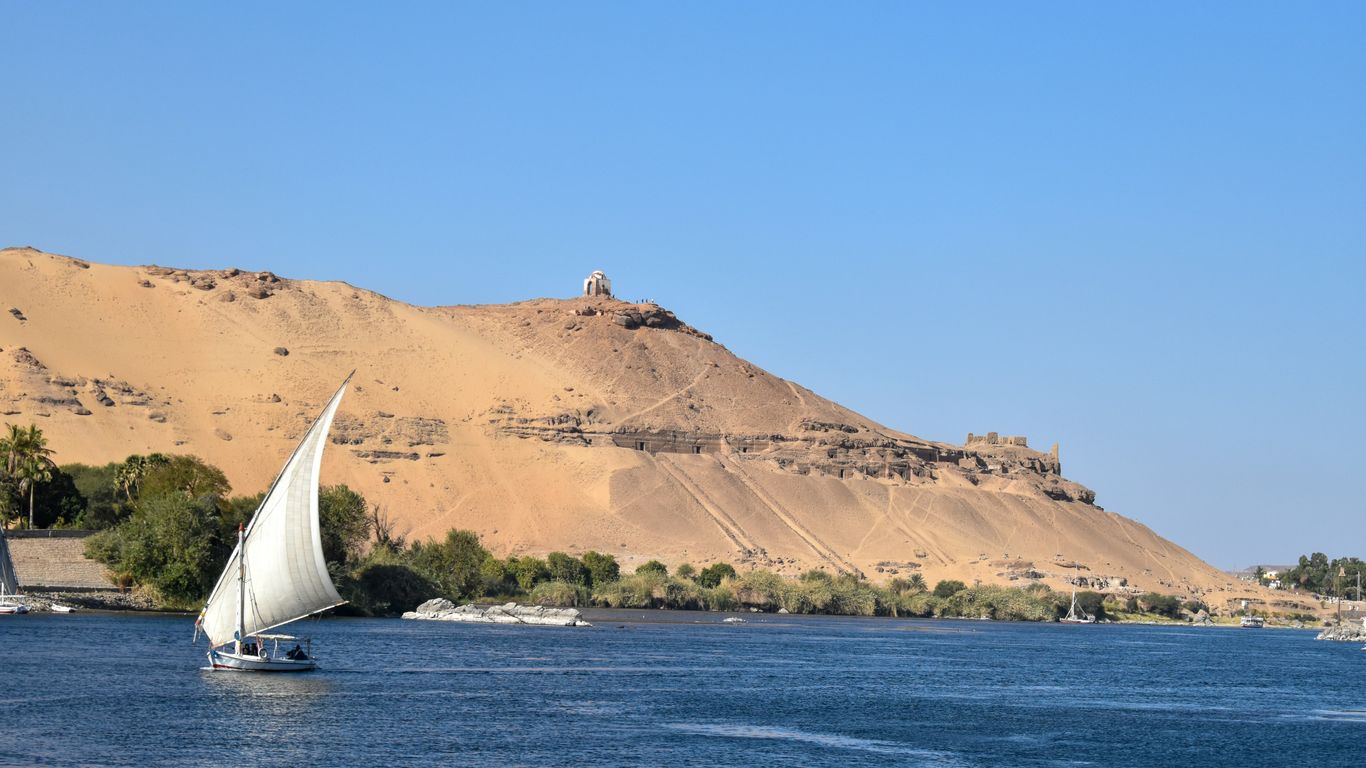
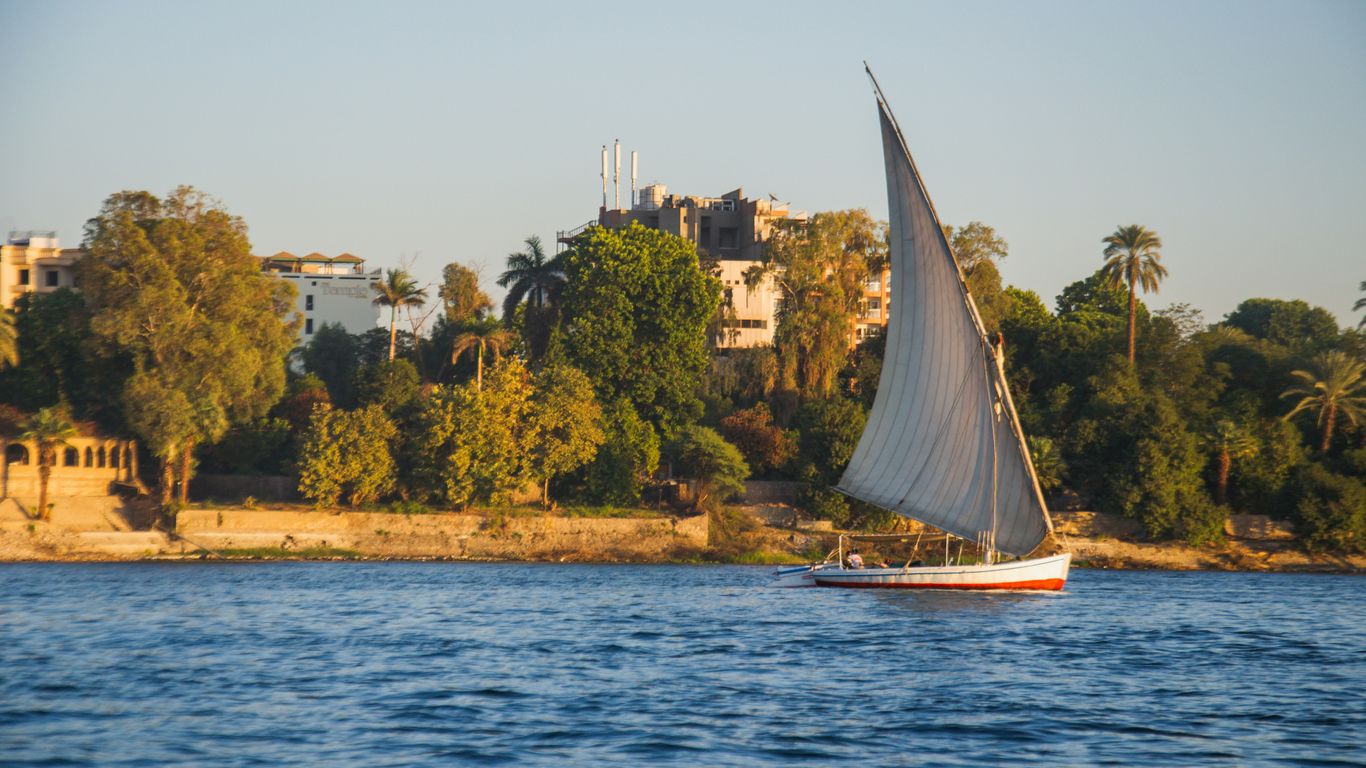
Forget the big boats and the crowds. When you think about seeing Egypt, especially the Nile, you might picture those huge cruise ships packed with people. But there’s a different way to travel, a much more personal and, honestly, a lot more special way. We’re talking about dahabiyas. These are traditional sailboats, but not the kind you might imagine from old movies. Think of them as floating boutique hotels, designed for a more intimate experience on the water.
The Allure of Private Nile Dahabiya Charters
Chartering your own dahabiya means the whole boat is yours. It’s just you, your group, and the river. This isn’t just about having your own space; it’s about having the freedom to go where you want, when you want. Imagine waking up and deciding, "Let’s stop here today" because you saw something interesting on the bank, or just because the mood strikes. That kind of flexibility is pretty rare on typical tours. It turns a trip into a real adventure, tailored exactly to your pace and interests. This is luxury travel redefined, focusing on privacy and personal discovery.
Beyond Crowded Cruises: Intimate Sailing
So, what makes sailing on a dahabiya so different from a large cruise ship? For starters, the size. Dahabiyas are much smaller, often carrying only a dozen or so guests. This means you get to know your fellow travelers, if you choose, or simply enjoy the quiet. The sailing itself is also different. Instead of engines churning constantly, you often rely on the wind, which gives the journey a peaceful, almost timeless feel. You’re not just a passenger; you’re part of the rhythm of the Nile. It’s a chance to really connect with the river and the landscape passing by, without the constant hum of machinery or the bustle of hundreds of people.
Curator-Led Access to Ancient Wonders
This is where things get really interesting. With a private dahabiya charter, you often get access to places and times that are usually off-limits. Think about visiting a famous temple, not with a hundred other tourists, but with just your group and an expert guide – maybe even before the main crowds arrive, or after they’ve left. Some arrangements even allow for exclusive visits, meaning you might be one of the very few people to see certain sites on a given day. This isn’t just sightseeing; it’s like stepping back in time with someone who can explain everything, making the history come alive in a way that’s impossible when you’re rushed or surrounded by noise. It’s about gaining a deeper appreciation for the incredible history Egypt holds.
Unveiling Ancient Egypt’s Hidden Treasures
Sure, the big names like the Pyramids and Karnak are amazing, but Egypt has so much more tucked away. We’re talking about places that most tourists just sail right past, and honestly, that’s part of their charm. Getting to these spots feels like you’ve stumbled upon a secret, a real connection to the past without the usual hustle and bustle.
Exclusive Temple Visits with Expert Guides
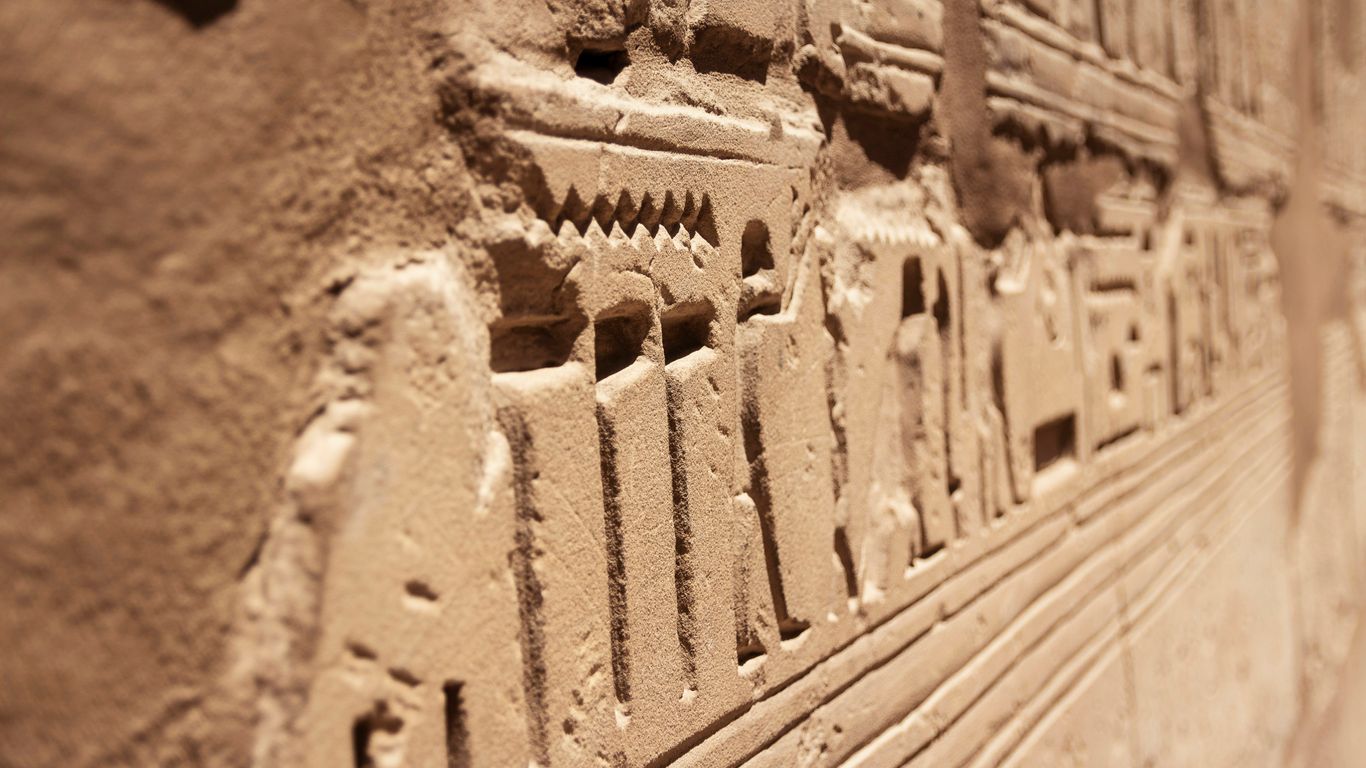
Imagine walking through a temple complex with an Egyptologist who can point out details you’d never notice on your own. We’re not just talking about reciting facts; these guides bring the stories of the pharaohs and their gods to life. They know the history, the hieroglyphs, and the little-known legends associated with each site. It’s like having a personal key to understanding these ancient places.
Private access to areas usually off-limits.
In-depth explanations of intricate carvings and inscriptions.
Insights into the daily lives and beliefs of ancient Egyptians.
Discovering Lesser-Known Archaeological Sites
Beyond the famous landmarks, there are sites like the Temple of Seti I at Abydos or the Temple of Hathor at Dendera. These places might not be as grand in scale as Karnak, but they often hold incredible artistic detail and historical significance. Think of the Abydos King List, a royal record of pharaohs, or the stunningly preserved astronomical ceiling at Dendera. These are the places where you can really feel the depth of history.
Site Name
Key Feature
Significance
Temple of Seti I
Abydos King List
Royal genealogy, historical record
Temple of Hathor
Astronomical Ceiling, Reliefs
Religious practices, artistic preservation
Tell el-Amarna
Akhenaten’s short-lived capital
Religious revolution, unique art style
Beni Hasan Necropolis
Rock-cut tombs, detailed tomb paintings
Middle Kingdom life, funerary beliefs
Dining Within Historic Temple Walls
This is where things get really special. Picture this: a candlelit dinner set up inside an ancient temple. It’s not just about the food, which is incredible, but the atmosphere. You’re surrounded by history, by walls that have stood for millennia. It’s an experience that truly connects you to the past in a way that’s both intimate and awe-inspiring.
This kind of exclusive access transforms a trip from a sightseeing tour into a deeply personal journey through time. It’s about feeling the echoes of the past around you, not just observing them from a distance.
It’s a chance to savor gourmet meals while being immersed in the very heart of ancient Egypt, a memory that’s sure to stick with you long after you’ve left.
The Grand Egyptian Museum: A Curator’s Perspective
VIP Access Before Public Opening
So, the Grand Egyptian Museum (GEM) is finally here, right near the Giza Pyramids. It’s a massive place, and honestly, it feels like a whole new way to see Egypt’s history. They’ve opened up a bunch of galleries already, and the buzz is that when the Tutankhamun sections are fully ready, it’s going to be the spot. We’re talking about getting in before everyone else, which is pretty wild when you think about it. Imagine walking through those halls without the usual crowds, just you and the ancient artifacts.
Behind-the-Scenes Tours of Hidden Artifacts
This is where it gets really interesting. Beyond just seeing the famous stuff, we’re talking about getting a peek at things most people won’t even know exist. Think of it as a treasure hunt, but with actual treasures. A curator, someone who really knows their stuff, will guide you through parts of the collection that aren’t on regular display. It’s a chance to see the objects that are still being studied or are too fragile for the main galleries. It’s like getting a backstage pass to history itself.
Private Viewing of Tutankhamun’s Treasures
Okay, everyone knows King Tut. His treasures are legendary. But seeing them in a private setting? That’s something else entirely. We’re talking about getting up close, maybe even having the chance to take photos without a million other people jostling for space. It’s a moment to really absorb the incredible craftsmanship and the sheer wealth of that discovery. It’s not just looking at history; it’s feeling like you’re a part of it for a little while.
This museum isn’t just a building; it’s a carefully designed space meant to tell the story of Egypt in a way that feels both grand and personal. The architecture itself is meant to complement the artifacts, creating an atmosphere that respects the past while looking towards the future of how we experience these ancient wonders.
Sailing the Nile: A Luxurious Dahabiya Itinerary
Luxor to Aswan: A Voyage Through Upper Egypt
Forget the big boats and the crowds. This trip is all about a more personal way to see the Nile, sailing on a dahabiya. Think of it as a floating boutique hotel. We’re talking about a journey from Luxor down to Aswan, covering the heart of Upper Egypt. This is where you find some of the most amazing old sites, the ones that are just too tricky for those giant cruise ships to get to. It’s a chance to really soak in the scenery and the history at your own pace.
Exploring Sites Inaccessible to Large Vessels
One of the best parts of sailing on a dahabiya is the freedom it gives us. Because these boats are smaller and designed to sail, we can pull up to places that the bigger ships can’t even dream of reaching. This means we can visit smaller, less-known temples or even just stop at a quiet stretch of the riverbank for a picnic. It’s about getting off the beaten path and seeing parts of the Nile that most tourists miss. We can time our visits to sites to avoid the rush, meaning you get a more peaceful experience.
The ‘Embrace’ Dahabiya: Modern Comfort, Traditional Charm
The dahabiya we’re using for this trip is called the ‘Embrace’. It’s pretty new, launched in late 2021, and it really nails that balance between old Egyptian style and modern comfort. It sails, but it also has a tugboat to help out, so the journey is smooth. Inside, you’ve got these really nice, big cabins, all with windows so you can watch the river go by. They’ve even got air conditioning and private bathrooms. Plus, they’re using solar panels for power, which is pretty cool and keeps things quiet. All your meals are included, served right there on deck, and there’s an open bar. It’s designed for smaller groups, making it feel really exclusive.
Sacred Sites and Spiritual Journeys
Connecting with the Divine Feminine and Masculine
Egypt’s ancient sites aren’t just piles of old stones; they’re places designed to make you feel something. Think of them as spiritual power-ups, built to connect you with the energies the Egyptians called ‘Neter’ – the divine forces they saw everywhere, in nature, and in their gods and goddesses. This journey is all about tapping into that. We’re not just sightseeing; we’re looking to connect with the deep wisdom held within these sacred spaces, exploring both the powerful masculine and nurturing feminine energies that are so central to Egyptian belief.
Private Sunrise Initiation at the Sphinx
Imagine this: the desert is still cool, the sun is just starting to peek over the horizon, and you’re standing by the Sphinx. We’re arranging a special, private moment here at sunrise. It’s not about rushing through; it’s a chance for a personal initiation, a quiet time to connect with this ancient guardian and the energies of the Giza plateau before the crowds arrive. It’s a truly unique way to start the day, feeling the history and mystery all around you.
Homage to Gods and Goddesses Along the Nile
As we sail down the Nile, we’ll be visiting temples dedicated to some of the most important deities. We’ll pay respects to Hathor, the goddess of beauty and dance, at her temple in Dendera. Then, it’s on to Edfu to honor Horus, the falcon god of the sky. We’ll also visit Philae, the island sanctuary of Isis, the Divine Mother. Each stop is an opportunity to learn about these powerful figures and feel their presence in the places they were worshipped.
Here’s a look at some of the key deities we’ll be connecting with:
Hathor: Goddess of love, beauty, music, and joy.
Horus: The falcon-headed god, representing kingship and the sky.
Isis: The great mother goddess, associated with magic, healing, and motherhood.
Sekhmet: The powerful lioness goddess of war and healing.
These sites were built with intention, not just as monuments, but as places to experience the divine. Our goal is to facilitate that connection, allowing you to receive the ancient wisdom and energy that still resides there today. It’s about more than just seeing; it’s about experiencing.
Culinary Delights on the Nile
Forget what you think you know about cruise ship food. Dining on a dahabiya is a whole different ballgame. It’s less about mass-produced buffets and more about intimate, chef-prepared meals that really highlight the flavors of Egypt.
Michelin-Level Dining on Deck
Imagine this: you’re sailing down the Nile, the sun is setting, and you’re enjoying a meal that rivals anything you’d find in a top restaurant. That’s the kind of food we’re talking about here. The chefs onboard take fresh, local ingredients and turn them into something special. Think perfectly grilled fish caught right from the Nile, flavorful tagines slow-cooked to perfection, and vibrant salads bursting with regional produce. It’s a feast for the senses, served right on the water.
Intimate Sunset Dinners with Personal Chefs
One of the best parts of a dahabiya trip is the personal touch. Many of these journeys include opportunities for private dinners, where a personal chef crafts a menu just for you and your group. You can discuss your preferences beforehand, and they’ll create a meal that’s exactly to your liking. It’s a chance to really connect with the food and the people preparing it, all while watching the sky change colors over the river. It feels incredibly special, like a private culinary event just for you.
Gourmet Menus Inspired by Egyptian Royalty
The food isn’t just good; it’s often inspired by the rich culinary history of Egypt. Chefs draw from ancient recipes and royal traditions, giving you a taste of what pharaohs and queens might have enjoyed. You might find dishes featuring ingredients like dates, honey, figs, and aromatic spices that have been used in Egyptian cooking for centuries. It’s a delicious way to connect with the country’s past, one bite at a time.
Here’s a peek at what a typical onboard dining experience might include:
Breakfast: Freshly baked bread, local cheeses, yogurt, fruits, eggs cooked to order.
Lunch: A selection of mezze (small plates), grilled meats or fish, hearty salads, and fresh juices.
Dinner: Multi-course meals featuring traditional Egyptian stews, rice dishes, vegetable preparations, and decadent desserts.
Dining on the Nile is more than just eating; it’s an experience woven into the fabric of the journey. It’s about savoring the moment, the company, and the incredible flavors that tell the story of this ancient land.
Exploring the Nile Valley’s Architectural Marvels
The Temple of Seti I and the Abydos Kings List
When you think of ancient Egypt, pyramids probably pop into your head first. But the Nile Valley is packed with incredible temples, and some of the most fascinating ones are a bit off the beaten path. Take the Temple of Seti I at Abydos. It’s not as famous as Karnak, but it’s seriously well-preserved. The reliefs here are just stunning, showing Seti I and the gods in amazing detail. What really makes it special, though, is the Abydos Kings List. It’s basically a historical record carved into the temple wall, listing the names of pharaohs from the earliest dynasties right up to Seti I himself. It’s like a who’s who of ancient Egyptian rulers, giving us a peek into their lineage and how they saw their own history. It’s a quiet place, away from the big crowds, where you can really soak in the history.
The Temple of Hathor at Dendera
Just a bit further north, you’ll find the Temple of Hathor at Dendera. This place is a real gem, and it’s remarkably intact. Dedicated to Hathor, the goddess of love, music, and joy, it feels different from the more somber temples. The ceilings are painted with vibrant astronomical scenes, and there’s even a famous relief depicting the ‘Dendera light,’ which some people interpret in all sorts of ways. You can explore the main temple, its chapels, and even climb up to the roof for a great view. It’s one of those spots where you can wander around and feel like you’ve stepped back in time. The sheer artistry and preservation here are mind-blowing.
The Mortuary Temple of Hatshepsut
On the West Bank of Luxor, nestled against some dramatic cliffs, is the Mortuary Temple of Hatshepsut. This temple is totally unique. Instead of being built like a typical temple, it’s designed in a series of terraces that blend right into the natural landscape. Hatshepsut, one of Egypt’s most powerful female pharaohs, commissioned this incredible structure. It’s a testament to her reign and ambition. Walking through its colonnades and courtyards, you get a real sense of her power and vision. It’s a striking piece of architecture that stands out from anything else you’ll see along the Nile.
Unique Nile Dahabiya Experiences
Stops at Untouched Islands
Forget the usual tourist spots for a moment. Sailing on a dahabiya means we can pull over at islands that most larger boats just sail past. These are places where you can really feel the quiet of the Nile, maybe see local life going on without a lot of fanfare, or just find a peaceful spot to take it all in. It’s a chance to step off the boat onto land that feels genuinely undiscovered, a little slice of Egypt that hasn’t been smoothed over for mass tourism. We’re talking about places where the riverbanks are still wild and the only sounds are the water and the birds.
Private Stargazing in the White Desert
Now, this is something else. Imagine being out in the White Desert after dark. The sky here is incredible, totally free from city lights. We can set up a special camp just for our group. A guide who knows their way around the stars will point out constellations and planets. It’s not just looking up; it’s like having the universe explained to you in a way that feels really personal. The sheer number of stars you can see is breathtaking. It’s a quiet, awe-inspiring experience that connects you to something much bigger than yourself.
Sunrise Hot Air Balloon Over the Dunes
This is the kind of thing you see in pictures and think, ‘Is that real?’ Well, it is. Waking up before dawn and floating up in a hot air balloon as the sun starts to paint the desert gold is pretty spectacular. You get this amazing view of the landscape – the dunes, the vastness of it all. It’s a really gentle way to see the desert wake up. You’re high above everything, just drifting, and the silence up there, broken only by the occasional whoosh of the burner, is something you won’t forget. It’s a perfect way to cap off a desert adventure.
The Grandeur of Karnak and Luxor
Exploring the Vast Karnak Temple Complex
Karnak isn’t just a temple; it’s practically a city of ancient Egyptian devotion. It was built and added to over a mind-boggling 1,500 years, making it the biggest religious site from the ancient world. This place was the main hub for worshipping Amun-Ra, the big boss god during the New Kingdom. Walking through it, you really get a sense of the scale and the sheer effort that went into creating such a monumental space. It’s a place where history feels incredibly present.
The Iconic Hypostyle Hall
This is the part of Karnak that just stops you in your tracks. The Hypostyle Hall is packed with 134 massive columns, shaped like papyrus stalks, that shoot up about 21 meters – that’s like a seven-story building! Standing among them, you feel tiny. It’s easy to see why this hall is so famous; it’s a true architectural marvel. You can almost imagine the priests and pharaohs walking through here centuries ago.
Luxor Temple’s Enduring Legacy
While Karnak was the main religious center, Luxor Temple has its own special vibe. It’s located right in the heart of modern Luxor, and what’s wild is that it was used for religious purposes for around 2,000 years straight. That kind of continuous history is pretty rare. It’s a beautiful spot, especially when lit up at night, showing off its blend of different eras and architectural styles. It feels like a living piece of history, right there in the city.
Journeying South: Edfu and Kom Ombo
As our dahabiya glides further south along the Nile, we arrive at two truly remarkable temple sites, Edfu and Kom Ombo. These aren’t just piles of old stones; they’re windows into specific moments and beliefs of ancient Egypt, and visiting them from a private boat feels incredibly special.
The Temple of Horus at Edfu
First up is the Temple of Horus in Edfu. This place is seriously well-preserved, mostly because it was buried under sand and silt for ages. It’s dedicated to Horus, the falcon-headed god, and you can really feel his presence here. The scale of the entrance pylon is just immense – it makes you feel tiny. Inside, the columns are massive, and the hieroglyphs tell stories that have lasted thousands of years. We’ll explore the inner sanctuaries and imagine the ceremonies that once took place.
Massive Pylon Gateway: One of the tallest in Egypt.
Hypostyle Halls: Filled with towering, intricately carved columns.
Inner Sanctuary: Where the statue of Horus would have been housed.
This temple offers a fantastic look at Ptolemaic architecture, which cleverly mixed Greek styles with traditional Egyptian religious art. It’s a testament to how long these traditions lasted.
The Unique Double Temple of Kom Ombo
Continuing our journey, we reach Kom Ombo. This temple is unique because it’s actually two temples joined together, built on a bend in the Nile. It’s dedicated to two different gods: Sobek, the crocodile god, and Haroeris, another form of Horus. You can see the dual nature reflected in the layout, with separate entrances and sanctuaries for each deity. It’s a fascinating concept.
Dual Dedication: Dedicated to Sobek and Haroeris.
Riverside Location: Offers stunning views and a connection to the Nile.
Nilometer: An ancient device for measuring the river’s flood level.
We’ll also see some of the famous reliefs here, including depictions of medical instruments, which hint at the ancient Egyptians’ knowledge of healing. And, of course, there’s the connection to the sacred crocodiles that once lived in the Nile nearby – you can even see mummified crocodiles in the small museum.
Observing Sacred Crocodiles of Ancient Times
While the sacred crocodiles themselves are no longer found basking on the banks of Kom Ombo as they were in antiquity, the temple complex and its adjacent museum offer a tangible link to their importance. The Temple of Kom Ombo was dedicated in part to Sobek, the crocodile god, and the Egyptians revered these creatures, associating them with fertility and power. The museum houses a collection of mummified crocodiles, some quite large, which were prepared as offerings. Seeing these ancient relics really brings home the deep spiritual connection the Egyptians had with the natural world around them, including the formidable reptiles of the Nile.
Curated Cultural Immersion
Visits to the Egyptian Museum and NMEC
Beyond the temples and tombs, Egypt’s museums offer a deep dive into its past. We’re talking about places like the Egyptian Museum in Cairo, which is absolutely packed with artifacts. You can spend hours just looking at all the treasures. And then there’s the National Museum of Egyptian Civilization (NMEC), which is pretty new and focuses on the whole sweep of Egyptian history, from prehistoric times right up to the present day. It’s a great way to get a broader picture of what life was like throughout the ages.
Exploring the Royal Mummies Hall
This is one of those things that really sticks with you. The Royal Mummies Hall, usually found within the Egyptian Museum, is where you can see the actual mummies of pharaohs and queens. It sounds a bit morbid, maybe, but it’s also incredibly fascinating. You’re looking at people who ruled thousands of years ago. It’s a direct link to history that you just can’t get anywhere else. Seeing them, you really start to think about their lives and their legacies.
Experiencing Traditional Music Performances
To really get a feel for a place, you have to experience its music. On our dahabiya journey, we often arrange for traditional Egyptian musicians to perform. Imagine sitting on deck as the sun sets over the Nile, and you hear the sounds of an oud or a ney flute. It’s not just background noise; it’s a chance to connect with the living culture of Egypt. These performances can range from lively folk tunes to more classical Arabic melodies, and they really add another layer to the whole experience.
Experiencing local music and visiting museums isn’t just about seeing things; it’s about feeling the pulse of a place. It connects you to the people, their history, and their way of life in a way that simply reading about it can’t achieve. It makes the ancient stories feel more real and present.
Dive deep into local life with our Curated Cultural Immersion experiences. We help you connect with the heart of a destination, going beyond the usual tourist spots. Imagine learning traditional crafts or sharing a meal with local families. Ready to explore the real culture? Visit our website to find your next adventure!
Your Nile Adventure Awaits
So, that’s a glimpse into what makes a Nile trip on a dahabiya so special. It’s more than just seeing old places; it’s about experiencing them in a way that feels personal and grand. Imagine gliding down the river, stopping at temples before anyone else, and having your own expert guide explain everything. It’s a different kind of travel, one that feels both relaxed and deeply connected to history. If you’re looking for a trip that goes beyond the usual tourist path and offers a real taste of Egypt’s magic, this kind of journey is definitely worth considering. It’s a chance to make some truly unforgettable memories.
Frequently Asked Questions
What is a Dahabiya?
A dahabiya is a traditional Egyptian sailboat, kind of like a small, fancy houseboat. Instead of big engines and lots of rooms like a regular cruise ship, it’s a more relaxed way to travel on the Nile. Think of it as a private yacht with sails, offering a more personal and peaceful journey.
Why choose a private Dahabiya instead of a big cruise ship?
Big cruise ships can be crowded. A private dahabiya means you have the whole boat to yourself, or with your group. This lets you stop at smaller, less-visited places that the big ships can’t reach. It’s a much more intimate and special way to see Egypt’s wonders without the hustle and bustle.
What does ‘curator-led access’ mean for temple visits?
This means you get to visit ancient sites with an expert, like a museum curator or a special guide. They know all the secrets and history of the place. Sometimes, this access is before the general public arrives or at special times, making your visit feel truly exclusive and insightful.
Can I really dine inside an ancient temple?
Yes, it’s possible! Imagine having a delicious meal surrounded by history, with candlelight and ancient walls. This kind of special experience can be arranged, offering a unique way to connect with Egypt’s past while enjoying gourmet food.
What kind of food can I expect on a Dahabiya trip?
You can expect amazing food, often described as ‘Michelin-level.’ This means high-quality dishes prepared by skilled chefs. Many meals are enjoyed right on the deck of the dahabiya, with menus inspired by Egyptian flavors and royalty, offering a truly delicious experience.
Are there opportunities for unique desert experiences?
Absolutely! Some trips include special adventures like stargazing in the White Desert, where the night sky is incredibly clear. You might also get to enjoy a hot air balloon ride over the desert dunes at sunrise for breathtaking views.
What makes the Grand Egyptian Museum (GEM) visit special?
With VIP access, you might get to visit the GEM before it’s officially open to everyone. This allows for a more private experience, possibly with a curator showing you hidden treasures and giving you a personal look at amazing artifacts, including King Tutankhamun’s collection.
What are some of the key historical sites visited?
The trip focuses on incredible ancient places. You’ll explore famous temples like Karnak and Luxor, the Temple of Horus at Edfu, and the unique double temple at Kom Ombo. You’ll also see important sites like the Temple of Seti I with its famous king list and the beautiful Temple of Hathor at Dendera.