Planning a trip to Southern Africa and can’t decide between Namibia and Botswana? It’s a common dilemma! Both countries offer incredible safari experiences, but they really do present different sides of the continent’s wild beauty. Think vast, silent deserts versus vibrant, watery landscapes. This guide will help you figure out which one, or maybe even both, fits your travel dreams for Namibia vs Botswana Safaris.
Key Takeaways
Namibia offers dramatic desert scenery, unique desert-adapted wildlife, and vast, open spaces perfect for star gazing. It’s great for self-drive adventures and those seeking stark, beautiful landscapes.
Botswana is famous for its abundant wildlife, especially in the Okavango Delta and Chobe National Park, and offers fantastic water-based safaris. It focuses on a high-value, low-impact tourism model.
When choosing between Namibia vs Botswana Safaris, consider your preferred environment: Namibia for deserts and unique adaptations, Botswana for classic water-rich game viewing.
Both nations are committed to conservation and offer exclusive, luxury safari experiences with high standards of safety and infrastructure for travelers.
While Botswana can be pricier due to its exclusive model, Namibia often offers more budget-friendly options, especially for self-drive travelers, though both can cater to luxury seekers.
Namibia vs Botswana Safaris: A Landscape Comparison
Namibia’s Dramatic Desert Vistas
Namibia is basically the land of sand. Think huge, towering dunes that look like they were sculpted by giants, especially around Sossusvlei in the Namib-Naukluft National Park. It’s one of the oldest deserts on Earth, and it feels ancient. Then there’s the Skeleton Coast, where the desert meets the Atlantic Ocean in this wild, rugged way, littered with shipwrecks. It’s a pretty stark, dramatic scene. You also have parts of the Kalahari Desert, known for its red sand and surprisingly tough plant and animal life. It’s a landscape that feels vast and empty, but in a really beautiful, awe-inspiring way.
Towering sand dunes of Sossusvlei
The rugged, shipwreck-strewn Skeleton Coast
Vast, red-sand expanses of the Kalahari
Namibia’s landscapes often feel otherworldly, a place where nature’s raw power is on full display. It’s the kind of place that makes you feel small, but in a good way.
Botswana’s Waterways and Grasslands
Botswana is a whole different story. The star here is the Okavango Delta, this massive inland delta that floods seasonally. It’s a maze of channels, islands, and lagoons, teeming with life. Imagine gliding through the water in a mokoro (a traditional dugout canoe) – it’s pretty special. Then there are the Makgadikgadi Pans, which are some of the largest salt flats in the world. During the dry season, they look like a cracked, white desert, but when the rains come, they can turn into a huge shallow lake, attracting tons of wildlife. It’s a landscape that’s constantly changing with the water.
The Okavango Delta’s intricate network of waterways
The expansive, surreal Makgadikgadi Salt Pans
Seasonal floodplains supporting abundant wildlife
Contrasting Topographies for Unique Adventures
So, you’ve got these two neighbors, right? Namibia is all about the dramatic, arid beauty – the deserts, the coast, the sheer scale of it all. It’s perfect if you’re looking for that sense of isolation and epic scenery. Botswana, on the other hand, is defined by water and the life it supports. The Delta and the pans create these unique ecosystems that are just bursting with activity. It’s less about the stark emptiness and more about the vibrant, watery world. Choosing between them really comes down to whether you’re drawn to the silent grandeur of the desert or the lively pulse of the wetlands.
Landscape Feature
Namibia
Botswana
Primary Terrain
Desert, Coastline
Wetlands, Salt Pans, Grasslands
Key Attraction
Sand Dunes, Skeleton Coast
Okavango Delta, Makgadikgadi Pans
Overall Feel
Arid, Dramatic, Vast
Aquatic, Abundant, Dynamic
Wildlife Encounters: Desert Adaptations vs. Delta Abundance
Botswana’s Abundant Wildlife Spectacles
Botswana is practically synonymous with incredible wildlife viewing, and for good reason. The Okavango Delta, a UNESCO World Heritage site, is a watery wonderland that draws animals from miles around, especially during the dry season when water becomes scarce elsewhere. Think massive herds of elephants, often numbering in the hundreds, splashing and playing in the channels. You’ll also find large numbers of buffalo, various antelope species like the red lechwe and sitatunga adapted to marshy areas, and plenty of predators like lions, leopards, and wild dogs. Chobe National Park is another hotspot, famous for its enormous elephant population and the spectacular migrations that can occur. It’s a place where wildlife density is high, and the sheer abundance is breathtaking.
Namibia’s Resilient Desert-Adapted Species
Namibia offers a different, but equally fascinating, wildlife experience. Here, the focus shifts to animals that have figured out how to survive in one of the world’s harshest environments. You’ll find desert-adapted elephants that travel vast distances and dig for water, and desert lions that have been known to hunt seals along the coast. Black rhinos are also present, a testament to conservation efforts. While the overall numbers might seem lower than in Botswana’s delta, the resilience of these creatures is astounding. Seeing an oryx with its impressive horns, perfectly suited to the arid conditions, or a springbok leaping across the dry plains, is a powerful reminder of nature’s tenacity.
Distinctive Game Viewing Experiences
The way you experience wildlife differs significantly between these two countries. In Botswana, particularly in the Okavango Delta, water-based safaris are a highlight. Gliding through the channels in a mokoro (a traditional dugout canoe) offers a unique, low-to-the-water perspective, allowing for close encounters with hippos, crocodiles, and water birds. Traditional game drives are also excellent, especially in areas like Chobe and the Savuti. Namibia, on the other hand, excels in dramatic landscapes that frame the wildlife. Game drives in Etosha National Park are often centered around waterholes, where animals congregate, creating incredible viewing opportunities. Exploring areas like Damaraland might lead you to track desert-adapted rhinos or elephants on foot, a more intimate and adventurous way to connect with these hardy animals. It’s less about sheer numbers and more about the incredible adaptations and the stark beauty of the environment.
The contrast in wildlife viewing between Namibia and Botswana is striking. One offers a spectacle of abundance in lush waterways, while the other showcases the remarkable survival skills of species in a challenging desert. Both provide unforgettable encounters, just in very different ways.
Exclusive Experiences: Luxury and Privacy in Southern Africa
Botswana’s Low-Impact, High-Value Tourism
Botswana really leans into the whole ‘exclusive’ vibe. They’ve built their tourism model around high-value, low-volume, which basically means fewer people but a much more special experience for those who go. Think intimate tented camps, often set up in private reserves. These places are designed to feel like you’re stepping back in time, but with all the modern comforts you could want. We’re talking plush armchairs, private plunge pools overlooking the water, and interiors that just feel right. It’s where the safari dream meets sophisticated living. Many camps are also super focused on sustainability, running on solar power and contributing to conservation efforts. It’s a pretty cool way to travel, knowing your stay is helping protect the place.
Namibia’s Remote and Exclusive Camps
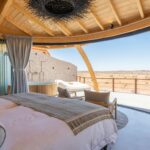
Namibia, on the other hand, offers a different kind of exclusivity, often tied to its vast, dramatic landscapes. Lodges here can be architecturally stunning, with places in Sossusvlei featuring glass walls that make you feel like you’re floating right on top of those famous red dunes. Imagine sleeping under some of the darkest skies you’ll ever see, with private star beds. Or picture yourself in a super-luxe desert camp, a real oasis in one of the world’s oldest deserts. It’s about finding these pockets of comfort and style in incredibly wild and remote settings. The focus here is often on the sheer scale of the wilderness and finding your own private corner within it.
Tailor-Made Safaris for Discerning Travelers
Both countries really excel at creating personalized safari adventures. Whether you’re after the classic ‘Out of Africa’ feel or a more hands-on, self-drive exploration, they can make it happen. You can mix and match experiences, perhaps starting with a self-drive through Namibia’s unique terrain and then hopping on a small plane to a secluded camp in Botswana’s Delta. The goal is to craft a trip that fits exactly what you’re looking for, whether that’s tracking desert-adapted wildlife on foot, gliding through waterways in a mokoro, or simply relaxing in a stunning lodge and watching the wildlife come to you. It’s all about creating those unforgettable moments in truly special places.
Activities: From Mokoros to Dune Adventures
When you’re planning a trip to Namibia or Botswana, the activities you can do are really different, and that’s part of what makes choosing between them so interesting. It’s not just about seeing animals; it’s about how you experience the landscape.
Water-Based Safaris in Botswana
Botswana really shines when it comes to water. The Okavango Delta is the star here. Imagine gliding through the channels in a mokoro, which is basically a traditional dugout canoe. It’s super quiet, and you’re so low to the water, you get a totally different view of things. You might see elephants drinking, hippos peeking out, or just a ton of birds. It’s a really peaceful way to see wildlife. Boat cruises on the Chobe River are also a big deal, especially for seeing huge herds of elephants and lots of other animals coming to the water’s edge. It’s pretty amazing.
Desert Exploration in Namibia
Namibia, on the other hand, is all about the desert. Think massive sand dunes, like the ones at Sossusvlei. Climbing these dunes, especially at sunrise or sunset, is an experience you won’t forget. The colors are incredible. You can also take hot air balloon rides over these landscapes, which gives you a real sense of their scale. Then there’s the Skeleton Coast, where the desert meets the ocean. It’s rugged and has this wild beauty, with shipwrecks scattered along the shore. You can explore canyons and even visit ancient Himba villages.
Diverse Activities for Every Traveler
Both countries offer a mix, but the focus is distinct.
Botswana: Mokoro trips, boat cruises, walking safaris, birdwatching (especially in the wet season), and even sleeping out under the stars.
Namibia: Dune climbing, hot air ballooning, exploring ghost towns like Kolmanskop, 4×4 excursions into the desert, and visiting cultural sites.
The choice really comes down to what kind of adventure you’re looking for. Do you want to be on the water, surrounded by lush life, or do you prefer the stark, dramatic beauty of the desert and its unique inhabitants? Both are fantastic, just in very different ways.
Navigating Your Southern African Safari
Choosing Between Desert and Delta
Deciding between Namibia’s vast deserts and Botswana’s watery landscapes can feel like a big choice, and honestly, it is. Both offer incredible experiences, but they cater to different safari styles. Namibia really shines if you’re looking for dramatic, wide-open spaces and the freedom to explore them, perhaps even by driving yourself. Think towering dunes and rugged coastlines. Botswana, on the other hand, is all about the water. It’s the place for classic game viewing, with abundant wildlife congregating around rivers and deltas. It often feels more exclusive, with a focus on low-impact tourism and getting you up close to the action, whether that’s on a mokoro or a game drive.
Seamless Travel Between Destinations
While Namibia and Botswana offer distinct experiences, combining them is totally doable and, frankly, a fantastic way to see more. Many travelers choose to start in Namibia, exploring places like Etosha National Park or the Namib Desert, and then hop over to Botswana to experience the Okavango Delta or Chobe National Park. Travel between the two usually involves a mix of driving and short flights. You can arrange for private charter flights to whisk you between lodges, which is super convenient but adds to the cost. Or, you can drive between certain points, like from the Caprivi Strip in Namibia to Kasane in Botswana, and then catch a flight from there. It’s all about planning ahead to make sure your journey flows smoothly.
Best Times for Namibia vs Botswana Safaris
When you decide to go really matters for both countries, as the seasons dramatically change the landscape and wildlife viewing. Generally, the dry season (roughly May to October) is prime time for Botswana. This is when waterholes shrink, and animals gather around permanent water sources, making them easier to spot. It’s also the cooler time of year. For Namibia, the dry season is also excellent for game viewing, especially in places like Etosha. However, Namibia’s desert landscapes are stunning year-round, and the shoulder seasons can offer fewer crowds and different photographic opportunities. If you’re interested in specific events, like the zebra migration in Botswana, you’ll need to time your visit precisely.
Here’s a quick look:
Botswana:
Dry Season (May – October): Best for wildlife viewing, cooler temperatures.
Wet Season (November – April): Greener landscapes, great for birding, some areas become inaccessible.
Namibia:
Dry Season (May – October): Excellent for game viewing, cooler.
Wet Season (November – April): Can be hot, but landscapes are vibrant, good for photography, some desert flowers bloom.
Planning your trip well in advance is key, especially if you’re aiming for peak season or want to combine both countries. It allows you to secure the best lodges and flights, and really tailor the experience to what you’re hoping to see and do.
The Allure of the Night Sky
Stargazing Opportunities in Namibia
Namibia is a stargazer’s dream, and it’s not just because of the lack of city lights. The country boasts some of the clearest, darkest skies on the planet. Imagine lying back on a private star bed at your lodge, the silence broken only by the distant calls of nocturnal animals. It’s pretty incredible. The NamibRand Nature Reserve, for instance, is an International Dark Sky Reserve, meaning they’ve made a real effort to keep light pollution to an absolute minimum. You can see the Milky Way stretching across the sky like a giant brushstroke, and if you’re lucky, you might even catch a meteor shower. Many lodges offer powerful telescopes, and guides are often on hand to point out constellations and planets. It’s a truly humbling experience to witness the cosmos in such pristine conditions.
Celestial Wonders Over Botswana
Botswana, especially in its vast, unpopulated areas like the Okavango Delta and the Kalahari, also offers phenomenal stargazing. Similar to Namibia, the absence of major towns and cities means light pollution is practically non-existent. Picture yourself on a mokoro excursion, gliding through the delta at dusk, and then as darkness falls, the sky just explodes with stars. It feels like you can reach out and touch them. Some camps have dedicated viewing decks, and the sheer scale of the sky above the flat plains of the Kalahari is breathtaking. You get a real sense of being a tiny speck in the universe, which is quite a thought, isn’t it?
Unforgettable Astronomical Experiences
Both Namibia and Botswana provide a canvas for some truly memorable celestial encounters. It’s not just about seeing the stars; it’s about the feeling it evokes. The sheer number of visible stars, the clarity of the Milky Way, and the profound silence create an atmosphere that’s hard to describe. It’s a chance to disconnect from the everyday hustle and reconnect with something much bigger.
Here’s a little breakdown of what makes the night sky so special in these regions:
Darkness: Minimal light pollution is the key. This allows for incredible visibility of faint celestial objects.
Clarity: The dry air in these desert and savanna environments often means very clear atmospheric conditions.
Scale: The vast, open landscapes make you feel completely immersed under the night sky.
Accessibility: Many lodges and camps are set up to maximize your viewing experience, from private star beds to guided sessions.
The night sky in both Namibia and Botswana offers a profound sense of perspective. Away from the glare of urban life, the universe reveals itself in all its glory, a silent, sparkling spectacle that connects you to the ancient rhythms of the cosmos. It’s an experience that stays with you long after you’ve returned home.
Cultural Connections and Conservation Ethos
Indigenous Cultures in Both Nations
Both Namibia and Botswana have deep roots, with vibrant indigenous communities that have called these lands home for centuries. In Namibia, you might encounter the Himba people, known for their distinctive red ochre skin and elaborate hairstyles, particularly in the northern regions. They maintain many traditional ways of life, and respectful visits can offer a glimpse into their world. Botswana also has a rich tapestry of cultures, including the San people, often referred to as the ‘Bushmen,’ who are one of the oldest inhabitants of Southern Africa. Their ancestral knowledge of the land and its resources is incredible. Many lodges and tour operators work with these communities, creating opportunities for authentic cultural exchange that benefits everyone involved.
Commitment to Wildlife Preservation
It’s pretty amazing how seriously both Namibia and Botswana take protecting their wildlife. Namibia actually wrote environmental protection into its constitution, which is a big deal. They’ve recognized how tough it is for animals to survive in their arid landscapes and have made a real effort to support them. Botswana, on the other hand, has dedicated a huge chunk of its land – nearly 40% – to national parks and reserves. This commitment has turned it into a real conservation success story, especially for large herds and iconic species. Both nations understand that their natural heritage is their greatest asset.
Sustainable Tourism Practices
When you visit these countries, you’ll notice a strong focus on low-impact tourism. This means places are designed to minimize their footprint on the environment. Think eco-lodges that use renewable energy, manage waste carefully, and often employ local staff. They also tend to limit the number of visitors in certain areas, which helps preserve the natural beauty and ensures a more private, less crowded experience for you. This approach not only protects the environment but also provides economic benefits directly to the local communities, creating a win-win situation.
The philosophy here is about quality over quantity. Instead of trying to pack in as many tourists as possible, the focus is on providing exclusive, high-value experiences that also contribute positively to conservation efforts and local livelihoods. It’s a model that seems to be working really well for both the environment and the people.
Understanding Safari Costs
Botswana Safari Price Points
Botswana is generally positioned at the higher end of the safari cost spectrum. This is largely due to its deliberate tourism strategy, focusing on a high-value, low-impact model. Think exclusive lodges, private concessions, and fly-in safaris to remote areas. These elements contribute to a premium price, but they also mean fewer crowds and a more intimate wildlife experience. For a 4-star comfort level, you might expect to pay around $650-$900 per person per night. Stepping up to 5-star luxury can push that figure to $1,600-$3,100 per person per night. It’s an investment, for sure, but one that buys you a lot of privacy and top-tier service.
Namibia Safari Price Points
Namibia, on the other hand, often presents a more accessible price point, especially if you’re open to self-driving. While luxury lodges and fly-in options exist and can certainly rival Botswana’s prices, there’s a broader range of accommodation and activity choices. For a 4-star comfort experience, prices might range from $350-$550 per person per night. A 4-star luxury option could be around $650-$800, and 5-star luxury might fall between $1,450-$1,900 per person per night. The ability to rent a vehicle and camp or stay in more modest lodges significantly brings down the overall cost for many travelers.
Value in Luxury Travel
When comparing costs, it’s not just about the daily rate; it’s about what you get for your money. Botswana’s higher prices often translate to unparalleled exclusivity and access to pristine, untouched wilderness. You’re paying for that sense of having a vast area almost to yourself, with expert guides and incredible wildlife sightings. Namibia, while potentially more budget-friendly, still offers incredible value, particularly for those who enjoy a bit more independence on their trip. The sheer scale of the landscapes and the unique desert-adapted wildlife provide a different, but equally compelling, kind of richness. Ultimately, the ‘value’ depends on what kind of safari experience you’re seeking. Are you after ultimate seclusion and pampering, or a more adventurous, self-guided exploration? Both countries deliver, but they do so at different price points and with different philosophies.
Both Namibia and Botswana offer incredible safari experiences, but their pricing structures reflect different approaches to tourism. Botswana leans towards exclusive, high-end experiences with fewer visitors, which naturally commands a higher price. Namibia provides a wider range of options, including more budget-friendly self-drive adventures alongside luxury choices, making it more adaptable to various budgets.
Here’s a general idea of what you might expect:
Accommodation Level
Botswana (per person, per night)
Namibia (per person, per night)
4-Star Comfort
$650 – $900
$350 – $550
4-Star Luxury
$900 – $1,500
$400 – $800
5-Star Luxury
$1,600 – $3,100
$1,450 – $1,900
Safety and Infrastructure for Travelers
When planning your trip to Namibia or Botswana, you’ll find both countries are remarkably safe and have put a lot of thought into making travel smooth for visitors. They’re known for being among Africa’s most secure destinations, which is a big plus when you’re heading to remote areas.
Botswana’s Reputation for Safety
Botswana really shines with its stable government and a tourism industry that’s been built on a "high-value, low-impact" model. This means you’re often in private areas with really professional guides and staff who know their stuff. Crime rates are generally low, and the safari operations, especially the luxury ones, stick to very high safety standards. It feels pretty secure, and the focus on quality over quantity in tourism really helps.
Namibia’s Secure Travel Environment
Namibia also has a great safety record. Because it’s so sparsely populated and has decent infrastructure, especially for a country its size, travel feels quite secure. The main tourist spots and desert regions are far from big cities. Lodges and camps here usually have well-trained staff who keep in touch with base camps and emergency services. You can generally feel quite at ease exploring Namibia’s vast landscapes.
Ensuring a Smooth Journey
Both countries have good medical evacuation services, which is comforting when you’re out in the wild. However, it’s always a smart move to get comprehensive travel insurance that covers you for remote areas. When it comes to getting around, Namibia is often easier for self-drive trips because its roads are generally better maintained. Botswana, especially places like the Okavango Delta, often requires fly-in safaris or experienced off-road driving due to trickier road conditions. Many visitors opt for guided tours in Botswana to avoid any driving hassles and just focus on the amazing wildlife.
Here’s a quick look at how travel logistics can differ:
Feature
Botswana
Namibia
Self-Drive
Recommended for experienced off-road drivers
Generally good for most travelers
Roads
Can be challenging, especially in wet season
Mostly well-maintained, good network
Access to Remote Areas
Often requires light aircraft (fly-in)
Accessible by road, though some areas are remote
Guided Tours
Highly recommended for ease and access
A great option for convenience and insights
While both countries are safe, understanding the specific travel methods for each region is key. Namibia’s infrastructure lends itself well to independent exploration, whereas Botswana’s unique environment often points towards guided or fly-in experiences for maximum enjoyment and safety.
When you travel, knowing that everything is safe and well-planned makes a big difference. We focus on making sure your trip is secure and that all the details are handled. From the moment you start planning to when you return home, we’ve got your back. Ready to plan your next worry-free adventure? Visit our website to see how we can help you travel with peace of mind.
So, Which One Wins?
Alright, so we’ve talked about Namibia’s wide-open deserts and Botswana’s watery wonders. Honestly, picking between them feels like choosing a favorite star in the sky – both are pretty amazing, just in different ways. Namibia gives you that epic, dramatic scenery and a real sense of being out there alone, especially with those incredible night skies. Botswana, on the other hand, is all about the life – the sheer amount of animals you can see, especially around the Delta, is something else. If you’re after jaw-dropping landscapes and a feeling of vastness, Namibia might be your pick. But if seeing tons of wildlife up close, especially from a mokoro, is your dream, Botswana calls. Really, you can’t go wrong with either. It just depends on what kind of adventure you’re craving.
Frequently Asked Questions
What’s the main difference between Namibia and Botswana for a safari?
Namibia is famous for its amazing desert views and unique animals that can live in dry places. Botswana is known for its lots of water, like the Okavango Delta, and tons of animals that love water, like elephants and birds.
Which country has more animals to see?
Botswana usually has more animals gathered in one place, especially in areas like the Okavango Delta and Chobe National Park. Namibia has amazing wildlife too, but you might have to look harder for its special desert-hardy animals.
Can I do a safari in both Namibia and Botswana?
Yes, you absolutely can! Many people combine trips to both countries. They are neighbors, and you can fly between them. This way, you get to see both the dry deserts and the wet waterways.
What kind of activities can I do in each country?
In Botswana, you can go on boat safaris or float in a mokoro (a small canoe) through the Delta. In Namibia, you can explore huge sand dunes, go on desert drives, and see amazing desert landscapes.
Is it expensive to travel to Namibia or Botswana?
Both countries offer luxury travel, which can be pricey. Botswana is often considered a bit more expensive because it limits the number of visitors to keep things exclusive and protect nature. Namibia can offer a wider range of prices, but luxury options are also available.
When is the best time to visit Namibia and Botswana?
The dry season, usually from May to October, is best for seeing lots of animals because they gather around water. This is when Botswana’s Delta is often fullest and Namibia’s Etosha National Park is great for spotting animals at waterholes.
Are Namibia and Botswana safe for tourists?
Yes, both countries are known for being very safe for travelers. They have stable governments and good tourism setups that focus on keeping visitors safe and happy.
What about seeing the stars in Namibia and Botswana?
Both places are fantastic for stargazing because they are far from city lights and have clear skies. Namibia is especially famous for its incredibly dark skies, making it a top spot for astronomers.