So, you’re thinking about Patagonia, huh? It’s a pretty wild place, and most people know it’s split between Chile and Argentina. Deciding which side to explore can feel like a big deal, especially since you probably can’t do both on one trip. We’ve dug into what makes each part special, from the mountains and trails to the ranches and food, to help you figure out where your adventure should take you. Whether you’re after epic hikes or just want to soak in the views, there’s a lot to consider when comparing Patagonia Chile vs Argentina.
Key Takeaways
For dramatic, postcard-perfect mountain peaks and world-class day hikes, Argentina often takes the lead, especially around El Chaltén.
Chile offers a more diverse landscape, including lush forests and fjords, and is renowned for the iconic W Trek in Torres del Paine, which is great for multi-day adventures.
When it comes to authentic estancia experiences, Argentina is known for its vast ranches and deep-rooted gaucho culture, while Chile offers more of a wilderness lodge feel.
Chile generally provides a broader range of activities beyond just hiking, including more cultural sites and maritime adventures, and is often considered more budget-friendly with easier payment systems.
While both sides have incredible glaciers, Argentina’s Perito Moreno Glacier is famously accessible and a major highlight, whereas glacier access in Chile can be more challenging.
Patagonia Chile vs Argentina: A Landscape Comparison
Argentina’s Dramatic Peaks and Open Skies
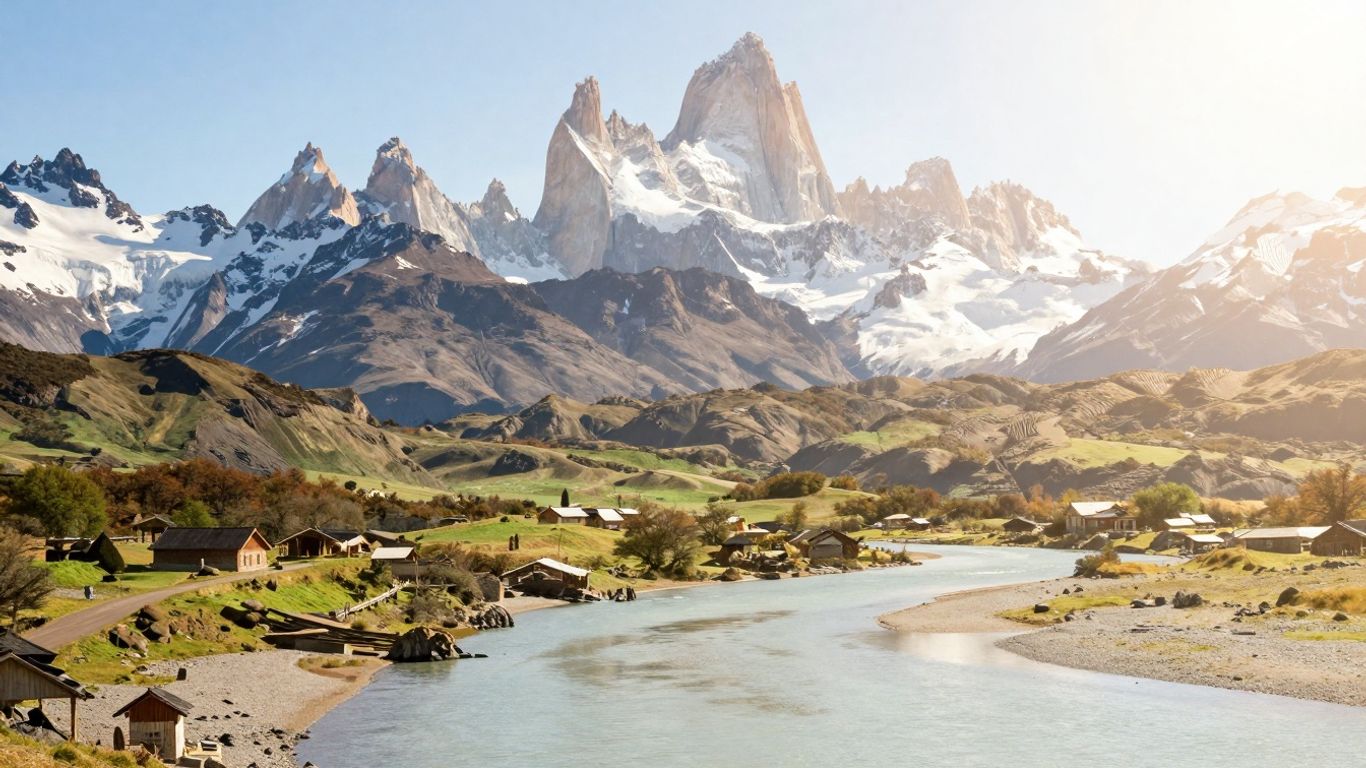
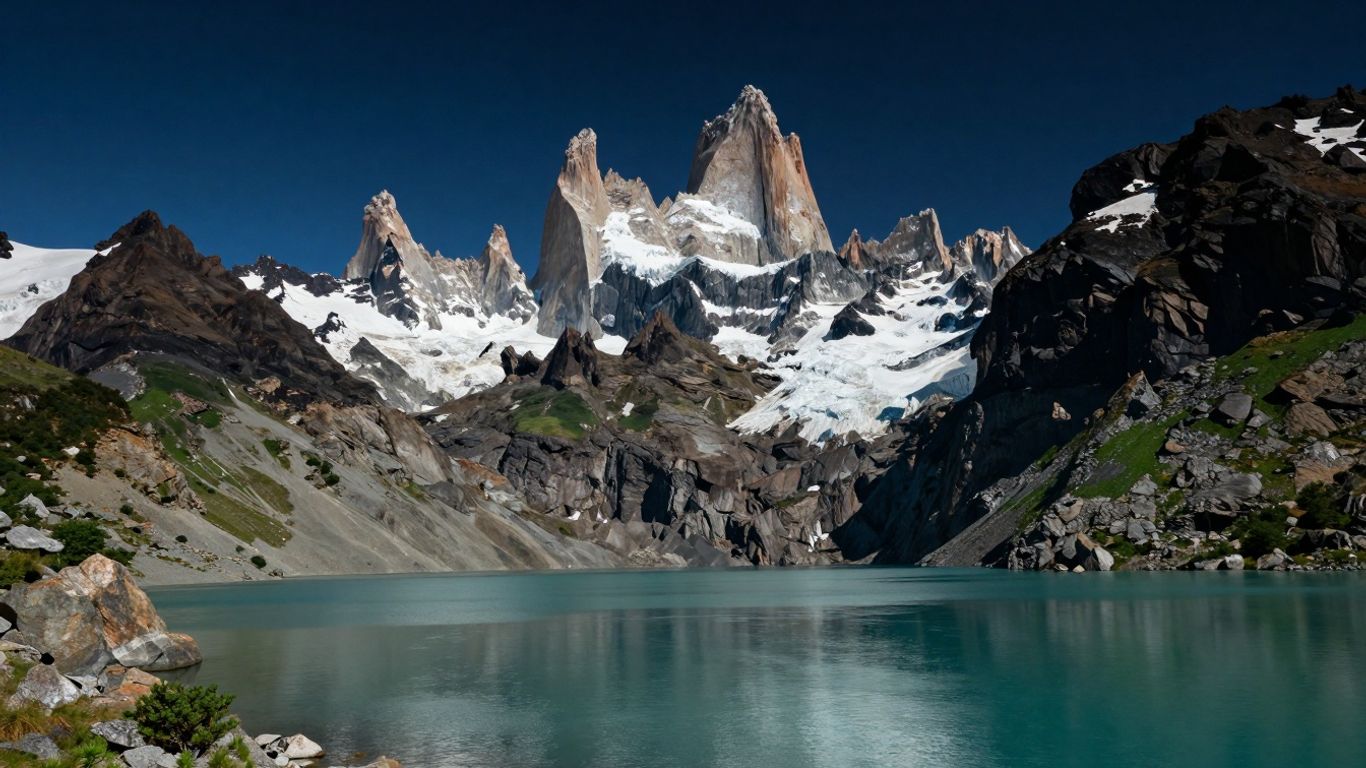
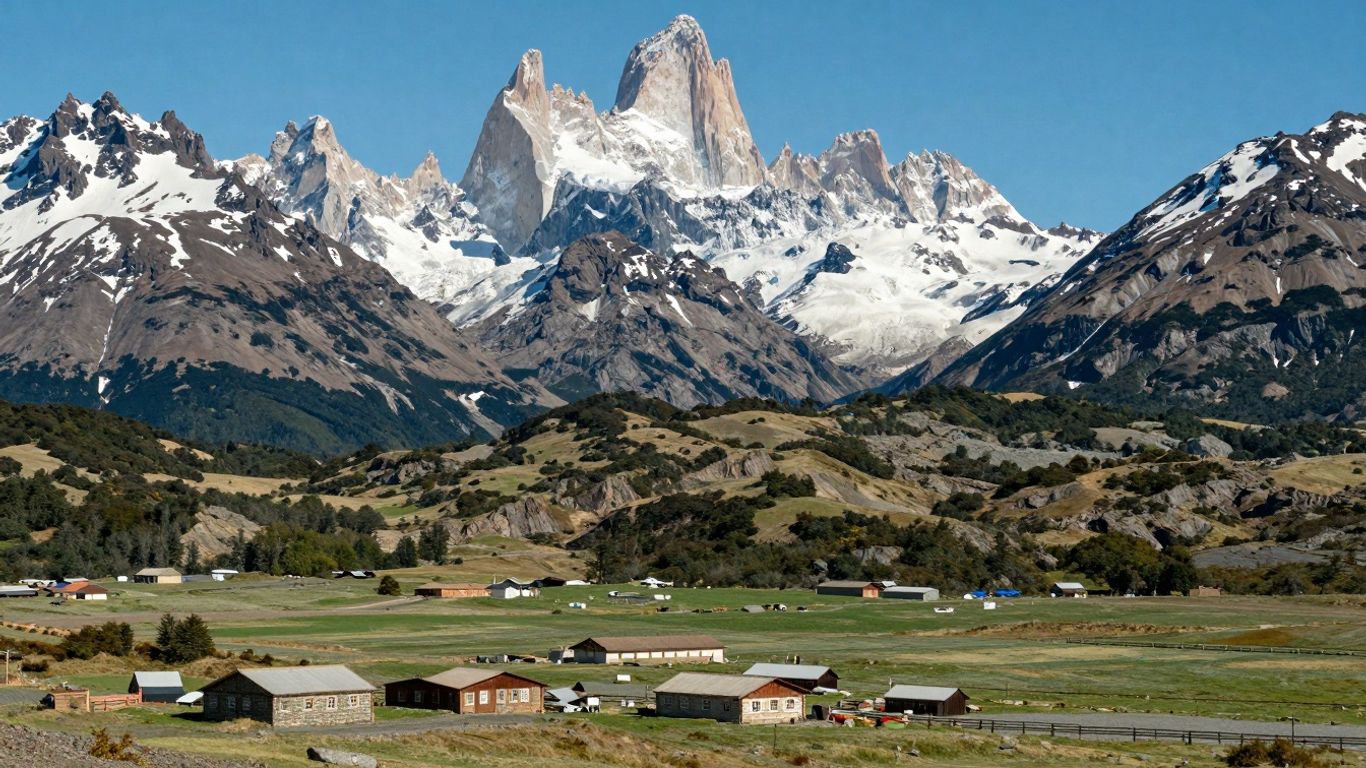
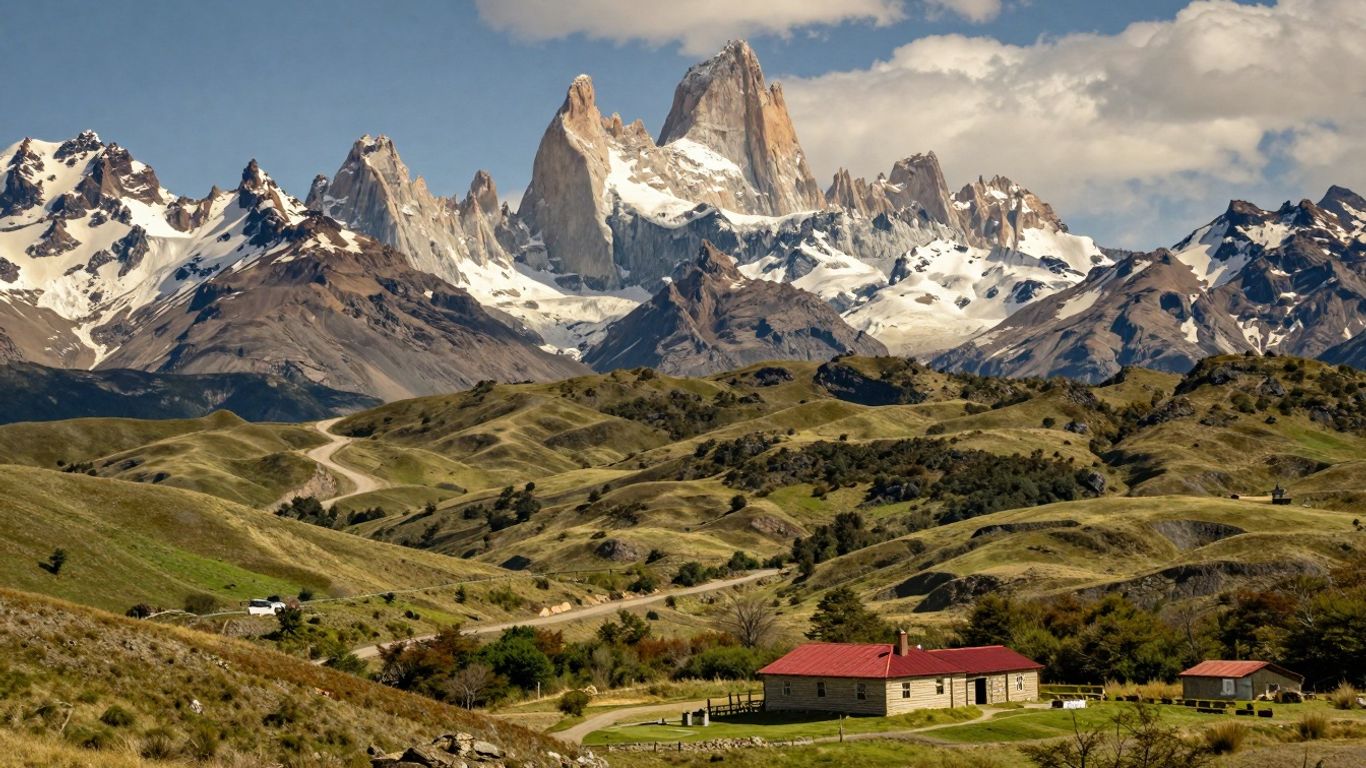
When you picture Patagonia, chances are you’re imagining the kind of epic, jagged peaks that define the Argentinian side. Think Fitz Roy and Cerro Torre near El Chaltén – these aren’t just mountains; they’re granite giants that pierce the sky, often dusted with snow and surrounded by vibrant autumn colors if you time it right. The landscape here feels vast, with wide-open steppes stretching out, giving you that sense of immense space. It’s the kind of scenery that makes you feel small in the best possible way, perfect for those who crave dramatic, postcard-worthy vistas. The views from hikes like Laguna de los Tres are simply unforgettable, a real feast for the eyes.
Chile’s Diverse and Lush Terrain
Chile’s Patagonia offers a different kind of beauty, one that’s perhaps more varied. Instead of just towering peaks, you’ll find a complex tapestry of fjords, islands, and channels. It’s a landscape shaped by the Pacific, with more waterfalls, ancient forests, and sweeping valleys dotted with lakes. While it might not always hit you with the same sheer drama as Argentina’s famous spires, the Chilean side offers a richer diversity. You get a sense of wildness here that feels more intimate, a bit more rugged and untamed, especially as you venture further south.
Contrasting Weather Patterns and Their Impact
One thing both sides of Patagonia have in common is unpredictable weather. Seriously, you can experience all four seasons in a single day. However, there are some general differences. The western parts of Chilean Patagonia tend to be wetter, thanks to the influence of the Pacific, with its fjordlands often shrouded in mist. Argentina’s Patagonia, particularly the eastern side, can be drier, with more open, windswept plains. This means packing layers is non-negotiable, no matter which side you choose. The weather really dictates your experience, so being prepared for anything is key to enjoying the stunning, but often wild, Patagonian elements.
Estancia Experiences: Where to Find Authentic Patagonian Life
Argentine Estancias: Vast Ranches and Gaucho Culture
When you think of Patagonia, images of wide-open spaces and horseback-riding cowboys often come to mind, and Argentina really leans into that. The estancias here are often massive, working ranches, many passed down through families for generations. Staying at one isn’t just a place to sleep; it’s a chance to step back in time and experience a slice of traditional gaucho life. You can spend your days learning to herd sheep with working dogs, riding across the vast plains, or simply enjoying the incredible hospitality. Many estancias offer immersive experiences that connect you directly with the land and its people. It’s a really hands-on way to understand the history and culture of this rugged region.
Chilean Estancias: Wilderness Lodges and Remote Charm
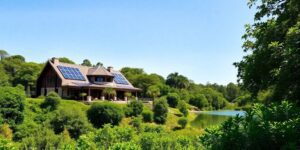
Chile’s take on the estancia experience often leans more towards a wilderness lodge feel, though the connection to ranching heritage is still present. These places tend to be more focused on providing a comfortable base for exploring the dramatic landscapes, especially around national parks like Torres del Paine. While you might still find opportunities for horseback riding and learning about sheep farming, the emphasis is often on the surrounding natural beauty. Think cozy evenings by the fire after a day of exploring, with stunning views right outside your window. It’s a bit more about the serenity and the wildness of Patagonia, with a touch of rustic comfort.
Choosing Your Estancia Adventure
Deciding between an Argentine or Chilean estancia really comes down to what kind of experience you’re after. If you want to fully immerse yourself in the gaucho culture and feel like you’re living on a working ranch, Argentina is probably your best bet. The sheer scale of the ranches and the deep-rooted cowboy traditions are hard to beat. On the other hand, if you’re looking for a blend of comfortable lodging, stunning natural scenery, and activities like hiking and wildlife spotting, with the option for some ranch-style experiences, Chile might be more your speed. Both offer a genuine taste of Patagonian life, just with slightly different flavors.
Here’s a quick look at what you might expect:
Argentine Estancias: Focus on gaucho culture, extensive horseback riding, working ranch activities, traditional food (like lamb BBQs).
Chilean Estancias: Often more like wilderness lodges, great access to national parks, emphasis on nature and adventure activities, comfortable amenities.
Ultimately, the ‘authentic’ Patagonian experience is subjective. Both countries offer unique ways to connect with the land, its history, and its people through their estancia offerings. Consider what activities and atmosphere will make your trip most memorable.
Trekking and Peaks: Summiting Your Patagonian Dreams
When you think of Patagonia, chances are you picture dramatic, jagged peaks piercing the sky. Both Argentina and Chile deliver on this front, but they offer slightly different flavors of mountain adventures.
Argentina’s Iconic Treks: Fitz Roy and Perito Moreno
Argentina is often the go-to for serious trekkers, especially around El Chaltén, which proudly calls itself the trekking capital. This is where you’ll find trails leading to the base of the legendary Mount Fitz Roy. The hike to Laguna de los Tres is a full-day commitment, around 20-22 km, and it’s a tough one, but the reward is an absolutely breathtaking view of the iconic peak. It’s similar to the Dolomites in Italy, but with that distinct Patagonian wildness. Another classic is the trek to Laguna Torre, offering equally stunning vistas. These trails are generally well-marked and accessible right from town, which is super convenient.
While El Chaltén is all about the mountains, the Perito Moreno Glacier near El Calafate offers a different kind of awe. You can hike on the glacier itself (with guides, of course!) or simply marvel at its immense size from the boardwalks, listening for the thunderous crack as ice calves into the lake.
Laguna de los Tres (Fitz Roy Base): Challenging, full-day trek (approx. 20-22 km roundtrip).
Laguna Torre: Another rewarding full-day hike with incredible views.
Perito Moreno Glacier: Offers ice trekking and viewing platforms.
The sheer scale of the mountains in Argentina is something else. You feel really small, in a good way, surrounded by such raw, natural power. It’s the kind of place that makes you want to push yourself a little harder on the trail.
Chile’s Renowned Trails: Torres del Paine’s W Trek
Chile’s star attraction is undoubtedly Torres del Paine National Park. This place is famous for its multi-day treks, most notably the W Trek (typically 4-5 days, 70-80 km) and the longer O Circuit (7-9 days, 110-130 km). These routes take you deep into the heart of the Cordillera del Paine, showcasing a variety of landscapes from granite towers to glacial lakes. They are demanding, though, and require good planning and gear.
If multi-day expeditions aren’t your thing, don’t worry. Torres del Paine also has some fantastic day hikes. The hike to the Base of the Towers is the most famous, a challenging 20km trek. But there are also shorter, more accessible trails like Mirador Condor or Mirador Cuernos that offer spectacular views without requiring an all-day effort. Many viewpoints are just a short walk from the road, making it easier for families or those with less time.
Trek Type
Duration
Distance (approx.)
Difficulty
Highlights
W Trek
4-5 days
70-80 km
Strenuous
Granite towers, glacial lakes, valleys
O Circuit
7-9 days
110-130 km
Strenuous
Full park circuit, remote areas
Base de Torres
Full Day
20 km
Strenuous
Iconic view of the Towers
Mirador Cuernos
Half Day
< 5 km
Moderate
Views of the Cuernos del Paine
Day Hikes vs. Multi-Day Expeditions
Choosing between day hikes and multi-day treks really depends on your style and what you want to get out of your trip.
Day Hikes: Great for flexibility. You can base yourself in a town like El Chaltén or Puerto Natales and tackle different trails each day. This is perfect if you prefer a comfortable bed each night or if you have limited time. Argentina generally offers more challenging and rewarding day hikes directly from town.
Multi-Day Expeditions: For the immersive experience. The W Trek in Chile is a prime example, allowing you to truly disconnect and live amongst the mountains. These require more preparation, including booking campsites or refugios well in advance, especially during peak season.
Ultimately, both sides of Patagonia offer world-class trekking, but Argentina leans towards epic day hikes with dramatic peaks, while Chile excels with its famous multi-day circuits and accessible scenic viewpoints within its national parks.
Beyond the Trails: Activity Variety in Patagonia
Chile’s Broader Spectrum of Activities
While hiking is a huge draw in Patagonia, especially in places like Torres del Paine, Chile really shines when it comes to offering a wider array of activities beyond just trekking. You can spend your days exploring the stunning fjords by kayak, getting up close to glaciers, or even trying your hand at ice climbing. Many visitors enjoy scenic drives right through the heart of national parks, taking in incredible views without even stepping foot on a trail. It’s a place where you can mix intense outdoor adventures with more relaxed cultural experiences, like visiting traditional sheep estancias to see how life has been lived here for generations.
Argentina’s Wildlife and Adventure Hubs
Argentina’s Patagonia is a powerhouse for adventure, but it leans heavily into its iconic peaks and glacial wonders. El Chaltén, for instance, is often called the trekking capital, and for good reason, with trails leading to jaw-dropping views of Fitz Roy. Beyond the hikes, you can explore the massive Perito Moreno Glacier, perhaps even doing an ice trek on its surface. For wildlife lovers, the Valdés Peninsula is a must-visit, especially if you’re keen on seeing whales, penguins, and sea lions. Horseback riding across the vast plains with gauchos is another classic Argentine experience, offering a real taste of the traditional ranch life.
Maritime Adventures in Chilean Fjords
Chile’s extensive coastline and intricate network of fjords open up a whole different world of exploration. Taking a boat trip or an expedition cruise from towns like Puerto Natales or Punta Arenas allows you to witness remote glaciers and spot diverse marine life, including dolphins and sea lions. Kayaking through these pristine waters offers an intimate connection with the landscape, letting you discover hidden coves and experience the sheer scale of the Patagonian wilderness from a unique perspective. It’s a fantastic way to see parts of Patagonia that are inaccessible by land, offering a sense of true discovery.
Glacier Encounters: Ice Giants of Patagonia
Argentina’s Accessible Perito Moreno Glacier
When it comes to glaciers, Argentina really shines. Los Glaciares National Park is home to the absolutely stunning Perito Moreno Glacier, and it’s remarkably easy to get to. You can wander along extensive boardwalks offering incredible views from different angles, or hop on a boat tour that brings you right up close to the ice wall. For the truly adventurous, there’s the option to strap on crampons and actually walk on the glacier itself. This ‘mini-trekking’ or ‘big ice’ experience lets you see bright blue pools of water on the ice and even hear meltwater streams running beneath your feet. It’s a pretty unforgettable way to connect with these ancient ice formations.
Navigating Glaciers in Chilean Patagonia
Chile also boasts impressive glaciers, most notably Grey Glacier in Torres del Paine National Park. However, getting to it is a bit more involved. To take a boat tour on Grey Lake, you’ll need to travel to Hotel Lago Grey first. If ice trekking or kayaking on Grey Glacier is on your list, it’s generally only an option for those completing the multi-day W or O treks, as these activities depart from Refugio Grey, which isn’t accessible by road. While beautiful, the access to Chilean glaciers can be more challenging compared to their Argentine counterparts.
Ice Trekking and Glacier Cruises
Both sides offer unique ways to experience glacial landscapes beyond just viewing them. In Argentina, besides the popular ice trekking on Perito Moreno, you can also take a full-day cruise to the more remote Upsala and Spegazzini glaciers. These cruises often include gourmet lunches, making for a luxurious day out on the water. While ice trekking on Grey Glacier in Chile is possible, it’s often tied to longer trekking routes. For those seeking a more direct and varied glacier experience, Argentina often presents more straightforward options, especially for activities like ice trekking.
Here’s a quick look at some popular glacier activities:
Activity
Location
Typical Experience
Boardwalk Viewing
Perito Moreno
Extensive paths with panoramic glacier views
Boat Tour
Perito Moreno, Grey
Close-up views of glacier faces from the water
Ice Trekking
Perito Moreno
Walking on the glacier with crampons
Glacier Cruise
Upsala, Spegazzini
Boat trip to remote glaciers, often with lunch
Kayaking
Grey Glacier (limited)
Paddling near the glacier face (often for trekkers)
While both countries offer spectacular glacial sights, Argentina generally provides more accessible and varied options for direct glacier interaction, particularly with the Perito Moreno Glacier.
Culinary Delights: Tasting Patagonia
Chile’s Fresh Seafood and Local Flavors
When you’re in Chilean Patagonia, get ready for some seriously good seafood. Think king crab, oysters, scallops, and fresh salmon. Puerto Natales, in particular, is a great spot to try these. I remember one night, I had this amazing king crab dish, basically crab mixed with melted cheese in a pot that was literally on fire. Sounds wild, right? It was delicious, though my stomach might have disagreed with all that cheese! Chile also has these hearty stews like Curanto, which is a mix of seafood, meats, potatoes, and veggies, often cooked in a pit. And don’t forget the empanadas – they’re everywhere and come with all sorts of fillings.
Argentine Cuisine: Hearty and Traditional
Argentine Patagonia leans heavily into its ranching roots. The big thing here is asado, which is more than just a barbecue; it’s a social event where meat is slow-cooked over an open fire, usually with friends and family. You’ll find plenty of Patagonian lamb and tender beef cuts. If you’re in the Lake District around Bariloche, keep an eye out for European-influenced treats like artisan chocolates and cheeses. Argentina also has a strong wine culture, especially known for its Malbecs and Patagonian Pinot Noirs. It’s a more meat-and-potatoes kind of vibe, very hearty and traditional.
Gastronomic Experiences Beyond the Plate
Beyond just the main dishes, Patagonia offers some unique food experiences. In Argentina, especially around El Chaltén and El Calafate, you might find the food a bit pricier due to economic factors, and sometimes less exciting than you’d hope. However, the focus on traditional cooking methods like asado is a cultural experience in itself. On the Chilean side, the abundance and relative affordability of fresh seafood, like the famous king crab, make dining out a real treat. It’s not just about eating; it’s about experiencing the local ingredients and traditions that define this wild region.
The culinary landscape of Patagonia is a tale of two distinct flavors, shaped by geography and culture. Chile offers the bounty of the sea, while Argentina celebrates the traditions of the land. Both provide a memorable taste of this incredible region.
Navigating Patagonia: Accessibility and Infrastructure
Getting around Patagonia, whether you choose the Chilean or Argentine side, is a big part of the adventure. It’s a vast place, and distances between key spots can be pretty significant. Think of it less like hopping between cities and more like exploring a huge, wild park.
Ease of Travel in Argentine Patagonia
Argentine Patagonia’s main destinations, like El Calafate and El Chaltén, are fairly well-connected. The roads between these two towns are paved and pretty decent, making bus or car travel straightforward. Buses run regularly, and the drive takes about three hours. If you’re heading from El Calafate to Puerto Natales in Chile, that’s a longer trip, around five hours, but still manageable by bus.
Domestic flights are your friend here for covering longer distances quickly. Flying from Buenos Aires to places like Bariloche or Ushuaia is efficient. However, flights between Patagonian cities, like Bariloche to El Calafate, often involve connections and can take several hours. Driving between more distant points, such as Bariloche and El Calafate, is a very long journey, often over 18 hours and on unpaved roads. Cell service can be spotty when you’re driving between towns, so it’s wise to be prepared.
Chilean Patagonia’s Road Trip Potential
Chilean Patagonia really shines if you’re looking for a scenic road trip, especially around Torres del Paine National Park. Renting a car here gives you the freedom to pull over whenever a breathtaking view strikes – and trust me, there will be many. Many of the most stunning viewpoints are easily accessible by car, often requiring just a short walk. This makes exploring the park quite convenient.
However, getting to the park itself from the main hub of Puerto Natales involves a drive of about two hours each way. While you can stay inside the park for easier access, accommodations there tend to be on the pricier side. So, while accessing specific sights within the park is easy with a car, the longer drives to get there are something to consider.
Connectivity and Transportation Hubs
When planning your trip, think about your arrival and departure points. Major airports in Argentina include Buenos Aires (connecting to Bariloche, Ushuaia, El Calafate), while Chile has hubs like Santiago (connecting to Punta Arenas, Puerto Natales). These cities act as your gateways into the wilder parts of Patagonia.
Bus Travel: A common and affordable way to move between towns, especially on the Argentine side between El Calafate and El Chaltén, and from El Calafate to Puerto Natales (Chile).
Rental Cars: Ideal for flexibility, particularly in Chilean Patagonia for exploring Torres del Paine at your own pace. Book well in advance, as they are in high demand.
Domestic Flights: The quickest way to cover vast distances within either country, connecting major cities and some Patagonian hubs.
Ferries: In Chile, ferries are sometimes used for specific routes or to access more remote areas, adding a unique maritime element to travel.
Remember that distances in Patagonia are deceptive. A "short drive" on a map can easily translate to several hours on the ground. Always factor in extra travel time and be prepared for varying road conditions, especially if venturing off the main routes.
Accommodation Styles: From Rustic to Refined
When you’re planning a trip to Patagonia, figuring out where you’ll rest your head is a big part of the puzzle. Both the Chilean and Argentine sides offer a range of places to stay, from super basic to pretty fancy. It really depends on what kind of vibe you’re going for and how much you want to spend.
Chile’s High-End Wilderness Lodges
Chile, especially around areas like Torres del Paine, has some seriously impressive wilderness lodges. These places are often designed to blend into the stunning natural surroundings, offering incredible views right from your room. Think cozy fireplaces, gourmet meals, and guided excursions right from the doorstep. They’re definitely on the pricier side, but if you’re looking for a bit of luxury mixed with your adventure, these lodges are hard to beat. They often focus on sustainability and providing a really immersive experience in nature.
Argentina’s Range of Stays
Argentina’s side of Patagonia tends to offer a broader spectrum of accommodation, from simple guesthouses to more established hotels. In towns like El Calafate and El Chaltén, you’ll find everything from hostels perfect for backpackers to comfortable mid-range hotels. Estancias, the traditional ranches, also offer unique stays, often providing a glimpse into rural Patagonian life with hearty meals and horseback riding. While you can find luxury options, the sheer variety means there’s usually something for most budgets.
Base Towns: Amenities and Value
Choosing a base town can make a big difference in your trip. Puerto Natales in Chile, for example, is known for having a good selection of hotels and Airbnbs that are often more affordable than you might expect, especially when compared to some of the more remote park accommodations. It’s a practical hub with plenty of services. On the Argentine side, towns like El Chaltén are smaller and more focused on trekkers, so options can be a bit more limited and sometimes pricier due to demand. El Calafate, being a larger town, offers more variety in terms of hotels and restaurants, catering to a wider range of travelers and budgets.
Here’s a quick look at what you might find:
Accommodation Type
Typical Location
Price Range (USD)
Vibe
Wilderness Lodge
Near National Parks (e.g., Torres del Paine)
$500+ per night
Luxury, immersive, nature-focused
Estancia Stay
Rural areas, often outside main towns
$150 – $400 per night
Rustic, cultural, active
Mid-Range Hotel
Towns (e.g., Puerto Natales, El Calafate)
$80 – $200 per night
Comfortable, convenient, good amenities
Guesthouse/Hostel
Towns and smaller villages
$30 – $100 per night
Budget-friendly, social, basic
When deciding, think about how much time you’ll actually spend in your accommodation. If you’re out hiking or exploring all day, a simpler, well-located place might be just fine. But if you’re looking to relax and soak in the views, a more comfortable or luxurious option could be worth the splurge.
Cultural Immersion: History and Local Life
Chile’s Indigenous Heritage and Museums
When you’re in Chilean Patagonia, there’s a real chance to connect with the area’s past. Beyond just the stunning landscapes, you can explore sites like the Mylodon Cave, where you can literally step back into prehistoric times. There are also some really informative museums, especially around Puerto Natales, that give you a good look at the indigenous tribes who used to call this place home. They don’t shy away from the tougher parts of history either, like the genocides that happened. Learning about this stuff really adds another layer to your trip, making the land feel more alive.
Argentine Cultural Encounters
On the Argentinian side, the focus often feels more geared towards the hiking and the dramatic peaks, which is awesome, don’t get me wrong. But digging into the local culture and history, especially concerning the indigenous people, can be a bit trickier. Information tends to lean more towards how El Calafate and El Chaltén developed, and the rise of sheep and cattle farming. It’s a different kind of history, more about the land being worked and settled.
Artisan Crafts and Local Traditions
If you get the chance to visit a traditional estancia, particularly in Argentina, it’s a fantastic way to see local life in action. Many of these are family-run places that have been around for ages. You can often experience things like horseback riding, watch sheep herding, and enjoy a classic lamb barbecue. It’s a genuine glimpse into the gaucho culture. In Chile, you might find opportunities to see local artisans at work, perhaps at an estancia or in smaller towns, showcasing traditional wool products and crafts. These experiences offer a tangible connection to the Patagonian way of life.
Here’s a quick look at what you might find:
Chile: Focus on indigenous history, prehistoric sites, and potentially artisan crafts.
Argentina: Emphasis on gaucho culture, working ranches (estancias), and the history of farming.
While the dramatic scenery is what draws many to Patagonia, taking time to understand the human stories and traditions woven into the landscape makes the journey so much richer. It’s about more than just pretty views; it’s about connecting with the people and their heritage.
Financial Considerations: Budgeting Your Patagonian Journey
Planning a trip to Patagonia, whether you’re eyeing the dramatic peaks of Argentina or the wild fjords of Chile, naturally brings up questions about cost. It’s not exactly a budget destination, but with some smart planning, you can make it work for different budgets. Generally speaking, Chilean Patagonia can lean a bit pricier, especially for places to stay and organized tours. Argentina, on the other hand, often has a wider range of options, which can sometimes mean more budget-friendly choices if you look around.
Chile’s Cost-Effectiveness and Payment Ease
While Chile might seem more expensive upfront, especially in popular spots like Torres del Paine, there are ways to manage costs. For instance, the park pass for Torres del Paine, while an expense, covers a lot of ground for your visit there. You’ll find that towns like Puerto Natales offer a decent variety of accommodations, from hostels to hotels, which can help balance out the costs. Paying for things in Chile is usually straightforward, with credit cards widely accepted in most tourist areas. Having a mix of Chilean pesos and a credit card is a good bet.
Navigating Payments in Argentina
Argentina’s financial landscape can be a bit more complex. While major tourist hubs like El Calafate and El Chaltén accept credit cards, it’s wise to have Argentine pesos on hand, especially for smaller towns, local markets, or more remote estancias. Exchange rates can fluctuate, so keeping an eye on them is helpful. Sometimes, paying in cash can even get you a better deal. Always have some local currency ready for unexpected expenses or smaller vendors.
Park Fees and Value for Money
When you’re budgeting, don’t forget the national park entrance fees. These can add up, and they differ between the two countries. For example, accessing the trails around El Chaltén in Argentina is often free, which is a big plus for hikers. However, other attractions like the Perito Moreno Glacier do have entry fees. In Chile, Torres del Paine has its own pass system. It’s worth comparing these fees against the length of your stay and the number of sites you plan to visit to gauge the overall value.
Here’s a rough idea of what you might encounter:
Item
Argentina (Approx. USD)
Chile (Approx. USD)
Notes
Torres del Paine Pass (3-day)
N/A
$55
Covers entry to the park
Los Glaciares NP (3-day)
$80-90
N/A
Covers Perito Moreno and surrounding areas
El Chaltén Trails
Free
N/A
Access to hiking trails
Perito Moreno Glacier Entry
$40 (1-day)
N/A
Specific fee for glacier access
Remember that these are just estimates and prices can change. It’s always best to check the official park websites for the most current information before your trip. Planning your itinerary around these fees can make a big difference in your overall budget.
Planning your trip to Patagonia doesn’t have to break the bank! Thinking about the costs involved is a smart first step. We can help you figure out how to make your dream adventure a reality without overspending. For detailed information on how to manage your travel funds, check out our website.
Choosing Your Patagonian Adventure
So, Patagonia. Chile or Argentina? Honestly, picking just one feels like choosing a favorite star in the sky – both sides offer something truly special. Argentina might grab you with its iconic, sharp peaks and the sheer awe of glaciers like Perito Moreno, perfect for those epic day hikes. Then there’s Chile, with the legendary Torres del Paine, offering a different kind of wild beauty, more diverse activities, and often, a more budget-friendly experience with fantastic seafood. It really comes down to what kind of adventure calls to you. Are you dreaming of vast, open landscapes and challenging treks, or dramatic fjords and a slightly more rugged, yet accessible, wilderness? Whichever you lean towards, know that Patagonia, in all its magnificent glory, awaits. It’s a place that stays with you, long after you’ve left its windswept plains and towering mountains behind.
Frequently Asked Questions
Which side of Patagonia has better mountain views?
Argentina often gets the nod for more dramatic, “postcard-perfect” mountain peaks, especially around El Chaltén. Chile offers a wider variety of scenery, but Argentina’s mountains tend to be more striking and iconic.
Is it better to hike in Chile or Argentina?
Argentina is great for amazing day hikes with stunning views close to towns. Chile is the place for epic, multi-day treks like the famous W Trek in Torres del Paine, or shorter, easier walks.
What kind of activities can I do in Patagonia?
Both sides offer hiking, horseback riding, and exploring glaciers. Chile has a bit more variety, including exploring fjords, puma tracking, and visiting cultural sites. Argentina is known for its impressive glaciers like Perito Moreno and wildlife viewing on the Valdés Peninsula.
Which side of Patagonia is easier to travel around?
Argentina is often easier for independent travelers with good roads and bus routes between main spots. Chile can be great for road trips, but getting to some of the more remote areas might take longer drives.
What’s the weather like in Patagonia?
Patagonia weather is unpredictable everywhere! Generally, Argentina can be drier with big weather changes. Chile tends to be wetter, especially along the coast and in the mountains, with strong winds being common.
Is one side of Patagonia cheaper than the other?
Chile is generally considered more budget-friendly. Park fees, food, and accommodation can often be cheaper there compared to Argentina.
What’s the food like in Patagonia?
Chile is known for its fresh and tasty seafood, especially king crab, and it’s often more affordable. Argentine food is usually heartier and more traditional, with famous grilled meats.
Which side is better for seeing glaciers?
Argentina has the famous Perito Moreno Glacier, which is very impressive and easy to get to. While Chile has glaciers, they can be harder to access and see up close compared to Perito Moreno.