
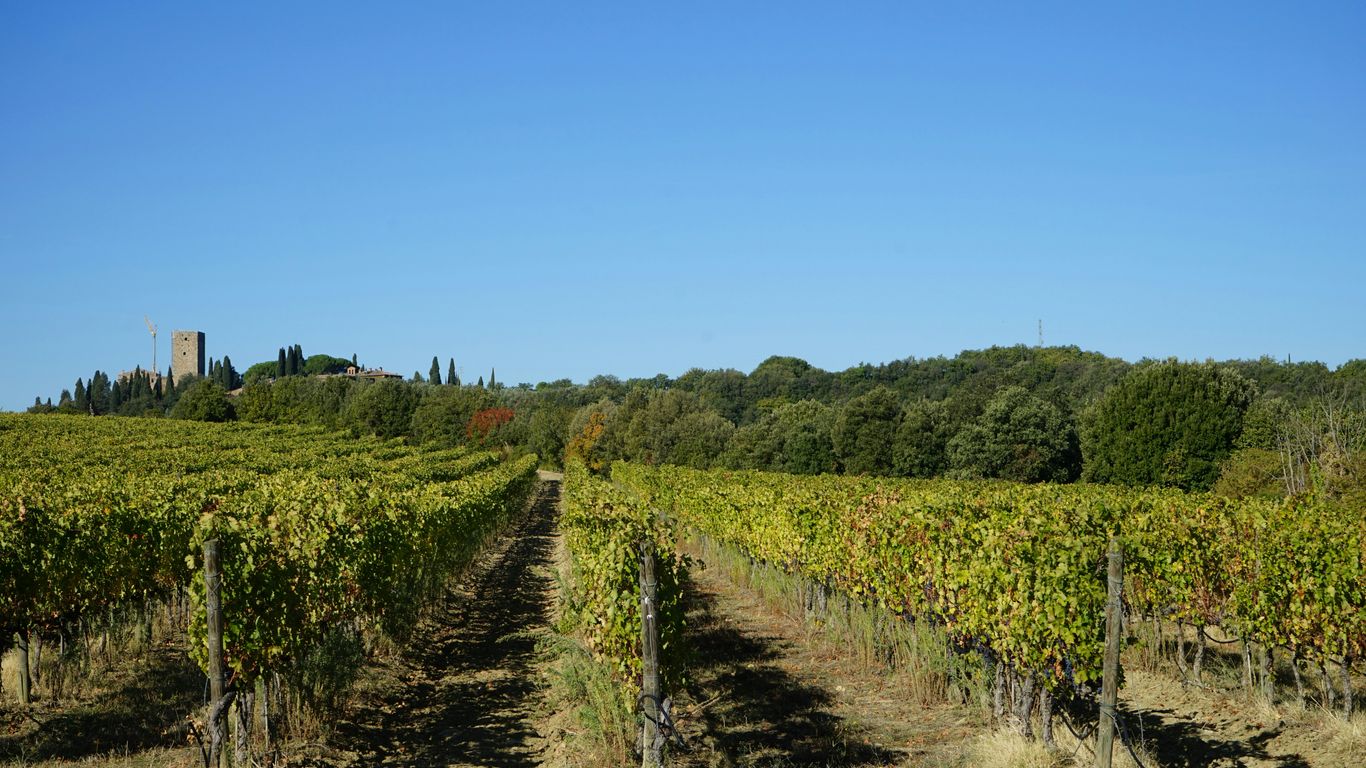
When you think about amazing food and wine, France and Italy probably jump to mind. Specifically, Provence and Tuscany are famous for their vineyards and, of course, truffles. But which one is better for a trip focused on these delights? Let’s break down what Provence vs Tuscany Estates offer for truffle hunting and wine tasting.
Key Takeaways
- Provence offers a fantastic truffle hunting experience, especially for black truffles, with its sunny landscapes and limestone terrains. Tuscany is also a prime spot, known for both black and white truffles, with diverse seasons for hunting.
- Both regions boast incredible vineyard access. Provence is great for rosé and exploring family-run vineyards, while Tuscany offers the iconic ‘vendemmia’ harvest experience and stays right on wine estates.
- Beyond the hunt and wine, expect amazing meals. Both areas excel in truffle-focused dishes, Michelin dining, and using fresh, seasonal produce.
- The landscapes are distinct. Provence has limestone hills and Mediterranean vibes, while Tuscany is famous for its classic rolling hills. Both have unique soil types that contribute to their wines.
- For a truly special trip, both Provence and Tuscany can arrange private tastings, vineyard walks, and tailor-made journeys, ensuring exclusive access and a memorable experience.
Provence vs Tuscany Estates: A Truffle Hunter’s Paradise
Truffle Seasonality in Provence
Provence might not be the first place that springs to mind for truffle hunting, but it’s a serious contender, especially for black truffles. The region’s limestone soils are just right for these fungi. Most of France’s black truffle market comes from here, actually. The season for the prized black truffle, with its earthy, fruity, and cocoa notes, generally runs from late autumn through winter and into early spring. You’ll find these dark beauties with their distinctive black skin and lighter veins are a real treat.
Truffle Seasonality in Tuscany
Tuscany is another heavyweight in the truffle world, famous for its black truffles but also a spot for the highly sought-after white truffle. The black truffle season here kicks off in January and can last until March, with a milder variety appearing from mid-January to April. If you’re after the Italian Summer Truffle, that’s available from June to November. And for the ultimate prize, the tartufo bianco, the season is typically September through November. It’s a race against time to find these elusive gems.
Comparing Truffle Hunting Experiences
Both Provence and Tuscany offer unique truffle hunting adventures, often involving trained dogs and experienced guides, known as tartufai. In Provence, tours might include a glass of Champagne and truffle-based snacks, making it a rather civilized affair. Tuscany’s experiences can feel more rustic, sometimes culminating in a home-cooked meal at the hunter’s family farmhouse, often paired with local wine. It really comes down to what kind of atmosphere you’re looking for – a touch of French elegance or Italian family warmth.
The thrill of the hunt, whether in the sun-drenched fields of Provence or the rolling hills of Tuscany, is an experience that connects you directly to the land and its hidden treasures. It’s more than just finding a mushroom; it’s about the partnership with the dogs, the knowledge of the terrain, and the anticipation of that earthy aroma.
Vineyard Access and Wine Experiences in Provence
Rosé and Mediterranean Ease
Provence. Just saying the name conjures up images of sun-drenched vineyards, fragrant lavender fields, and that iconic pale pink rosé. It’s a region where wine isn’t just a drink; it’s a lifestyle, deeply woven into the fabric of daily life. Forget stuffy cellars and formal tastings; here, wine is about relaxation, good company, and soaking in the Mediterranean vibe. Think sipping a crisp rosé outdoors, perhaps with a bowl of olives and some crusty bread, the warm breeze carrying the scent of pine and sea.
Exploring Family-Owned Domaines
While Provence is famous for its rosé, there’s so much more to discover beyond the well-trodden paths. The real magic often lies in the smaller, family-owned domaines. These are places where generations have poured their hearts into the land, and they often welcome visitors with open arms. It’s a chance to connect directly with the people behind the wine, to hear their stories, and to understand the passion that goes into every bottle. You might find yourself tasting a wine that’s only produced in tiny quantities, a true hidden gem.
Here’s a glimpse of what you might experience:
- Private Tastings: Often held in intimate settings, sometimes even in the winemaker’s home or a quiet corner of the cellar.
- Vineyard Walks: Learn about the specific terroir and grape varietals directly from the source, often with stunning views.
- Generational Stories: Hear firsthand accounts of winemaking traditions passed down through families.
Visiting these smaller estates offers a more personal connection to the wine and the region. It’s about understanding the craft and the dedication that goes into each vintage, far from the commercial hustle.
Active Wine Travel in Provence
For those who like to keep moving, Provence offers fantastic ways to combine wine exploration with activity. Imagine cycling through vineyards, the sun on your back, stopping at a local winery for a tasting. Or perhaps a gentle hike through the countryside, rewarded with a picnic lunch featuring local wines and produce. It’s a way to truly immerse yourself in the landscape and appreciate the connection between the land and the wine it produces. These active experiences make the wine journey even more memorable, grounding it in the beautiful Provençal scenery.
Vineyard Access and Wine Experiences in Tuscany
Tuscany, oh Tuscany. It’s a place that just feels like wine country, doesn’t it? Rolling hills, cypress trees, ancient farmhouses – it’s all there. And the wine? Well, that’s a whole other story, a really good one.
The Vendemmia: Grape Harvest Traditions
If you can time your visit right, catching the vendemmia, or grape harvest, is something else. It’s a busy, exciting time. You’ll see people out in the vineyards, working hard, and there’s this palpable energy in the air. It’s not just about picking grapes; it’s a tradition that’s been going on for centuries. Families come together, and there’s a real sense of community. It’s a fantastic way to see the winemaking process kick off.
Exploring Italy’s Iconic Wine Regions
Tuscany isn’t just one big wine zone, you know. You’ve got the famous Chianti Classico, of course, with its distinctive black rooster symbol. Then there’s Brunello di Montalcino, known for its powerful, age-worthy reds, and Vino Nobile di Montepulciano, which is pretty special too. Each area has its own vibe, its own soil, and its own way of making wine. It’s worth exploring a few different spots to get a real feel for what Tuscany offers.
Tuscan Estates and Vineyard Stays
Forget just visiting a winery for a quick tasting. In Tuscany, you can actually stay at some of these places. Imagine waking up surrounded by vineyards, having breakfast with a view of the vines, and then maybe doing a tasting later that day. Many estates offer rooms or even full villas. It’s a much more immersive way to experience the wine culture. You get to see what life is like for the people who live and breathe wine all year round.
Staying at a Tuscan estate means you’re right in the heart of it all. You can often arrange private tours or tastings directly with the owners, getting a personal insight into their passion and craft. It’s a far cry from just popping into a tasting room for an hour.
Culinary Delights Beyond the Hunt
Truffle Feasts and Local Pairings
After a successful truffle hunt, the real magic often happens at the table. Imagine this: you’ve just spent the morning with a local guide and their keen-nosed dogs, unearthing those precious fungi. Now, it’s time to savor the fruits of your labor. In Provence, this might mean a simple yet elegant dish featuring the region’s black truffles, perhaps shaved over a creamy goat cheese tart or mixed into a rich aioli. The earthy aroma perfectly complements the local wines, especially a crisp rosé. Tuscany, on the other hand, might present a more robust experience. Think handmade pasta, generously adorned with freshly grated white truffles, paired with a full-bodied Sangiovese. It’s not just about the truffle itself, but how it interacts with the other flavors of the region. These meals are a celebration of the land and its bounty.
Michelin-Starred Dining Experiences
While rustic farmhouse meals are wonderful, both Provence and Tuscany boast impressive culinary scenes that extend to fine dining. If you’re looking for an extra special treat, consider booking a table at one of the many Michelin-starred restaurants scattered throughout these regions. Chefs here are masters at incorporating seasonal ingredients, including truffles when they’re in season, into innovative and exquisite dishes. You might find a delicate truffle-infused consommé in a Provençal restaurant or a daring truffle and foie gras creation in Tuscany. These establishments often have extensive wine cellars, allowing for perfect pairings that can truly make a meal unforgettable. It’s a chance to see how world-class chefs interpret local flavors.
Seasonal Produce and Regional Specialties
Beyond truffles and wine, the culinary landscape of Provence and Tuscany is incredibly rich. Each season brings its own unique produce to the forefront. In Provence, think of sun-ripened tomatoes, fragrant herbs like thyme and rosemary, and vibrant vegetables that find their way into classic dishes like ratatouille or bouillabaisse. Tuscany is famous for its hearty fare, with dishes often featuring beans, olive oil, and incredible cured meats.
Here’s a little taste of what you might find:
- Spring: Asparagus, artichokes, fresh peas, and early strawberries.
- Summer: Ripe tomatoes, zucchini, eggplant, melons, and peaches.
- Autumn: Mushrooms, chestnuts, pumpkins, and grapes (of course!).
- Winter: Citrus fruits, root vegetables, and hearty greens.
The true joy of eating in these regions lies in the simplicity and quality of the ingredients. Whether it’s a humble vegetable soup or a complex regional stew, the focus is always on letting the natural flavors shine through. It’s a food lover’s dream, really.
The Landscape and Terroir
Provence’s Limestone Terrains
Provence’s vineyards are often found nestled within landscapes shaped by ancient geological forces. The region’s soils are a mix, but limestone plays a significant role, especially in areas like the Luberon and Alpilles. This type of soil is great for drainage, which is super important for grapevines. It means the roots don’t get waterlogged, and they have to dig deeper to find moisture, which can lead to more concentrated flavors in the grapes. You’ll see vineyards spread across rolling hills and sometimes on steeper slopes, all bathed in that signature Mediterranean sun. It’s this combination of climate and soil that gives Provençal wines, particularly the rosés, their distinct character – think bright acidity and subtle minerality.
Tuscany’s Rolling Hills
Tuscany, on the other hand, presents a different kind of beauty. Its iconic landscape is defined by undulating hills, often dotted with cypress trees and ancient farmhouses. The soils here are incredibly varied, a complex mix of marl, clay, and limestone, depending on the specific sub-region. For instance, the Chianti Classico area has a lot of marl and limestone, which is fantastic for Sangiovese, the star grape here. These soils, combined with the varied altitudes and microclimates, create a diverse palette for winemakers. The rolling terrain also means many vineyards are on slopes, offering excellent sun exposure and natural drainage. It’s a place where the land itself feels deeply connected to the wine.
Diverse Terroirs of French Wine Regions
France, as a whole, is a masterclass in terroir diversity. It’s not just Provence; you have the chalky soils of Champagne, perfect for those crisp bubbles, or the complex, parcel-specific plots of Burgundy, where Pinot Noir and Chardonnay express themselves with incredible nuance. Then there’s Bordeaux, with its gravelly Left Bank and clay-heavy Right Bank, shaping two distinct styles of Cabernet and Merlot. Even within regions, the differences are striking. Think about the northern Rhône’s granite slopes versus the southern Rhône’s warmer, sandier soils. Each area offers a unique geological story that translates directly into the glass. This intricate relationship between soil, climate, and grape variety is what makes French wine so endlessly fascinating.
The concept of terroir goes beyond just the soil composition. It encompasses the climate, the topography, the local flora and fauna, and even the human element – the traditions and techniques passed down through generations of winemakers. It’s a holistic view of how a place influences the wine produced there.
Exclusive Access and Bespoke Journeys
Tailor-Made Travel for Discerning Travelers
Forget the standard tour bus. When you’re looking for a truly special trip, especially one focused on something as nuanced as wine and truffles, you want things arranged just for you. It’s about getting those doors open that are usually shut, you know? We’re talking about trips planned down to the last detail, so you can just relax and soak it all in. Think of it as having a personal guide who knows all the best spots and can get you in without any fuss.
Private Tastings and Vineyard Walks
Imagine this: you’re standing in a quiet cellar, the air cool and smelling of oak and aging wine. A winemaker, maybe someone whose family has been doing this for generations, is pouring you a glass, telling you the story behind it. Or perhaps you’re walking through rows of vines, the sun on your face, learning about the soil and the grapes directly from the person who tends them. These aren’t just random stops; they’re experiences crafted to give you a real feel for the place and the passion behind the product. It’s a much more personal way to connect with the wine and the land.
Here’s what makes these private experiences stand out:
- Direct Access: Meet the winemakers and truffle hunters themselves.
- Unrushed Atmosphere: Enjoy tastings and walks at your own pace, without crowds.
- Insider Knowledge: Learn the intimate details of the winemaking or truffle-hunting process.
- Unique Locations: Visit cellars or vineyards not typically open to the public.
Seamless Service and Unique Access
Planning a trip like this can feel overwhelming, right? All the appointments, the driving, making sure you don’t miss anything. That’s where having someone handle the logistics makes all the difference. They take care of the driving, the reservations, and making sure everything flows smoothly from one amazing experience to the next. It means you can focus on enjoying that incredible glass of wine or the thrill of finding a truffle, instead of worrying about the next step. It’s about making the whole journey feel effortless and special, leaving you with memories that really stick.
The goal is to create a travel experience that feels both deeply personal and incredibly smooth. It’s about uncovering the heart of a region through its wine and food, with every detail thoughtfully arranged so you can simply be present and enjoy the moment.
Comparing Truffle Hunting Regions
When you think about hunting for truffles, a couple of places probably pop into your head. Italy and France are the big players, and for good reason. They’ve got the right soil, the right climate, and a long history of people digging up these fancy fungi.
Provence’s Black Truffle Market
Provence is a pretty big deal when it comes to black truffles, making up a good chunk of France’s total market. The truffles here have this earthy, almost cocoa-like smell, and you can spot them by their dark skin with lighter veins inside. The limestone soil and varied environment really help them grow. It’s a place where you can really get a feel for the local truffle scene, with markets and dedicated tours.
Tuscany’s Prized Black and White Truffles
Tuscany is famous for both its black and white truffles. They’ve even found some massive ones there over the years! The black truffles, like the tartufo brumale, show up in the winter and early spring. Then there’s the tartufo marzuolo with its garlicky scent, and the Summer Truffle that lasts well into the fall. But the real star for many is the tartufo bianco, the prized white truffle, which you can find from early fall through November. It’s a region that really celebrates these underground treasures, often pairing them with their famous wines.
Beyond Tuscany: Piedmont and Umbria
While Tuscany gets a lot of attention, you can’t forget about other Italian regions. Piedmont is practically synonymous with the king of truffles: the white truffle (tuber magnatum pico). It’s considered the best of the best and is super rare. The season for these is typically fall and early winter, and the town of Alba hosts a famous truffle fair. Umbria is another strong contender, known for producing a lot of black truffles and also home to the white spring truffle (bianchetto) and the marzuolo. It’s a beautiful region with vineyards and olive groves, making truffle hunting there feel really connected to the land.
Here’s a quick look at when you might find different truffles:
| Region | Primary Truffle Type(s) | Typical Season(s) |
|---|---|---|
| Provence | Black Truffle | Winter to Early Spring |
| Tuscany | Black & White Truffles | Year-round (peak Fall/Winter) |
| Piedmont | White Truffle | Fall to Early Winter |
| Umbria | Black & White Truffles | Winter to Spring |
Truffle hunting is more than just a search; it’s an experience that connects you with nature and local traditions. The thrill of the hunt, guided by a trained dog and a knowledgeable hunter, is something special. It’s about patience, a bit of luck, and the reward of unearthing something truly unique.
The Allure of French Estates
France. Just saying the name conjures up images of rolling vineyards, grand châteaux, and of course, incredible wine. But beyond the postcard-perfect scenes, there’s a real depth to exploring French wine estates that goes way beyond just a tasting.
Prestigious First-Growth Estates
When you think of French wine, you probably picture the big names, right? The First-Growth Bordeaux châteaux, the renowned Burgundy producers. These are the estates that have built legacies over centuries. Visiting them is like stepping into a history book. You can walk through cellars that have held legendary vintages, learn about the strict classifications that define their prestige, and understand the meticulous work that goes into producing wines that are famous worldwide. It’s a chance to taste wines that are often considered benchmarks for their regions, and sometimes, these special bottles are only available right there, at the source.
Small Family Domaines and Generations of Craft
But France isn’t just about the giants. Some of the most rewarding experiences are found at the smaller, family-owned domaines. These places often feel more intimate, more personal. You might find yourself talking directly with the winemaker, someone whose family has been tending the same few hectares for generations. They have a deep, almost intuitive connection to their land. These are the places where you can truly feel the passion and dedication poured into every bottle. It’s a different kind of wine tourism, one that focuses on the craft, the heritage, and the unique story of a specific plot of land. You might even get to try a grower-Champagne, made by the very person who grew the grapes – something you won’t find just anywhere.
Château Stays and Historic Cellars
Imagine waking up in a room within a centuries-old château, the morning mist still clinging to the vines outside your window. Many French wine estates offer accommodations, turning a visit into a full immersion. You can spend your days exploring the vineyards, learning about the winemaking process from grape to glass, and your evenings enjoying meals paired with the estate’s finest wines. The cellars themselves are often works of art, some carved deep into the earth, others grand and barrel-lined. They hold not just wine, but the history and soul of the estate. It’s an experience that connects you to the land, the history, and the people in a way that’s hard to forget.
The Charm of Tuscan Estates
Vineyard Views and Rustic Charm
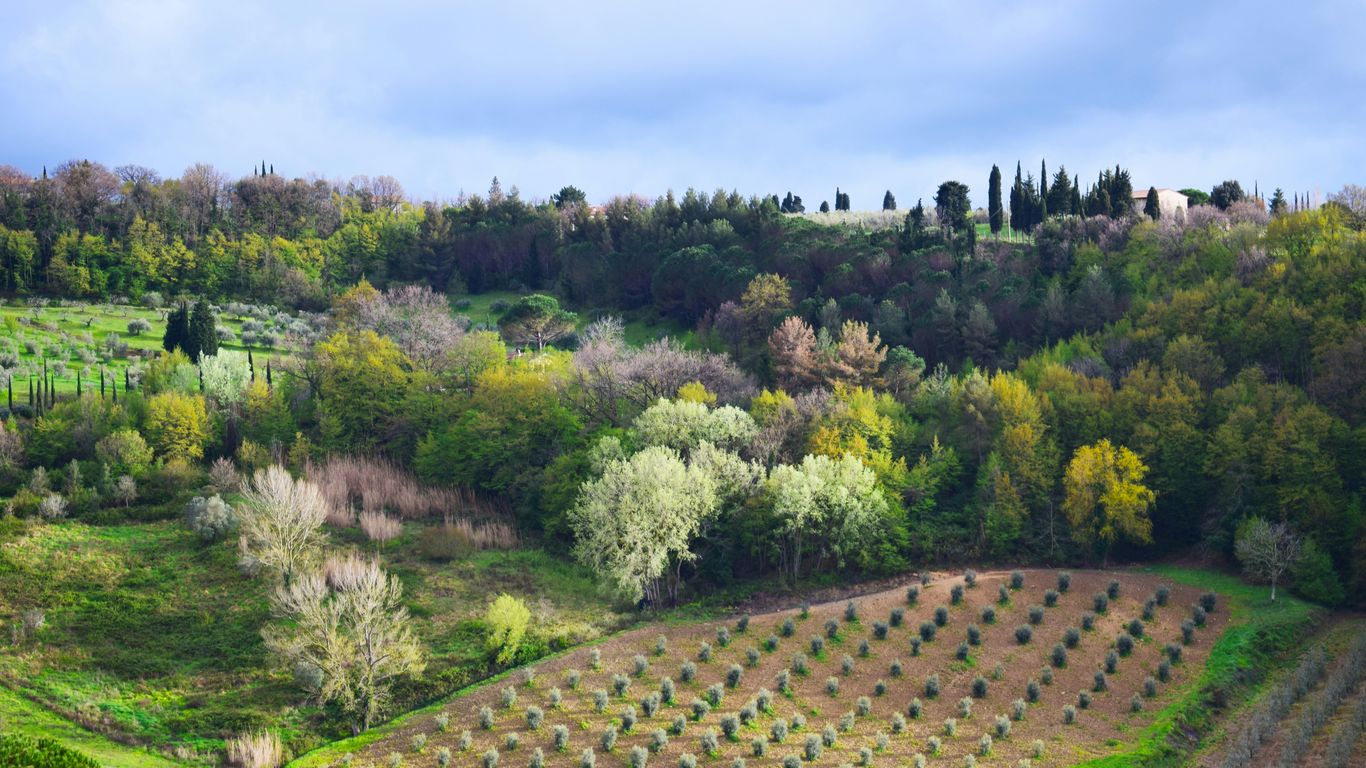
Tuscany. Just saying the name conjures up images of rolling hills, cypress trees, and, of course, vineyards stretching as far as the eye can see. The estates here often feel like they’ve grown organically from the landscape itself. Think stone farmhouses, terracotta roofs, and a general sense of timelessness. It’s not about grand, imposing structures as much as it is about a warm, inviting atmosphere. Many of these places have been in families for generations, and you can feel that history when you visit. It’s a place where you can really slow down and appreciate the simple, beautiful things.
Luxury Stays in the Langhe Hills
While we’re talking Tuscany, it’s worth noting that the Langhe Hills, though technically in Piedmont, offer a similar vibe and are often associated with the region’s wine and truffle culture. Here, you’ll find some truly exceptional places to stay. We’re talking about former monasteries turned five-star hotels, or beautifully restored farmhouses that offer a blend of rustic charm and modern luxury. Imagine waking up to views of vineyards, enjoying a leisurely breakfast with local pastries, and then heading out for a day of wine tasting or truffle hunting. It’s the kind of place where the accommodation itself becomes a destination.
Exploring Tuscan Wineries
When you visit a Tuscan estate, you’re not just tasting wine; you’re experiencing a way of life. Many wineries welcome visitors with open arms, offering tours that go beyond just the cellar. You might find yourself walking through olive groves, learning about the local produce, or even participating in a cooking class. It’s about connecting with the land and the people who work it.
Here’s a peek at what a typical Tuscan winery visit might include:
- Vineyard Walks: Stroll through the rows of Sangiovese, Vermentino, or other local varietals, learning about the terroir and the growing season.
- Cellar Tours: Discover the winemaking process, from grape to bottle, often in historic cellars that have seen generations of winemaking.
- Tastings: Sample the estate’s wines, often paired with local cheeses, cured meats, and olive oil.
- Farm-to-Table Experiences: Some estates offer meals prepared with ingredients sourced directly from their own gardens or local producers.
The beauty of Tuscan estates lies in their authenticity. They offer a genuine glimpse into the region’s agricultural heritage and its deep connection to food and wine. It’s an experience that engages all the senses, leaving you with lasting memories and a deeper appreciation for Italian culture.
Integrating Wine and Truffles
Truffle Hunts Paired with Vineyard Picnics
Imagine this: you’ve just spent the morning with a truffle hunter and their keen-nosed dogs, unearthing some of the forest’s most prized treasures. The air is still crisp, carrying the earthy scent of the freshly dug fungi. Now, picture yourself settling down not in a formal dining room, but amidst the very vines that produced the wine you’re about to enjoy. A rustic picnic basket is opened, revealing crusty bread, local cheeses, perhaps some cured meats, and of course, those freshly found truffles. This is where the magic happens – pairing the raw, earthy notes of the truffle with the nuanced flavors of a local wine, right there in the vineyard. It’s a simple, yet profound experience that connects you directly to the land and its bounty.
Wine Tasting Alongside Truffle Experiences
Many truffle hunting tours are now designed to include a wine tasting component, and for good reason. The flavors of truffles, especially the intense aroma of black truffles common in Provence or the prized white truffles of Tuscany, can be beautifully complemented by specific wines. Think about a crisp, mineral-driven white wine cutting through the richness of a truffle-infused pasta, or a robust red wine standing up to a truffle-topped steak. These experiences often take place at local wineries or agriturismos, where you can learn about the winemaking process and then sample wines that have been specifically chosen to highlight the unique characteristics of the truffles you’ve just helped find.
Gourmet Dinners Featuring Local Finds
After a day of truffle hunting and wine tasting, the ultimate reward is often a specially prepared dinner. This isn’t just any meal; it’s a culinary celebration of the day’s discoveries. Chefs often create menus that showcase the truffles in multiple courses, demonstrating their versatility. You might start with a delicate truffle carpaccio, move on to a creamy truffle risotto, and finish with a truffle-infused dessert. Each dish is thoughtfully paired with regional wines, creating a harmonious symphony of flavors. These gourmet dinners are the perfect culmination of a day spent exploring the gastronomic heart of Provence or Tuscany.
Here’s a look at how a typical integrated experience might unfold:
- Morning: Meet your truffle hunter and their dogs for a guided hunt in the woods.
- Late Morning/Early Afternoon: Enjoy a picnic lunch in a vineyard, featuring local produce and paired with estate wines.
- Afternoon: Participate in a wine tasting session at a nearby winery, focusing on pairings with truffle dishes.
- Evening: Indulge in a multi-course gourmet dinner showcasing truffles and regional specialties, with expert wine pairings.
Discover the amazing flavors that come from pairing wine and truffles. It’s a match made in heaven for your taste buds! Want to learn more about creating these perfect food moments? Visit our website for tips and ideas.
So, Provence or Tuscany?
Deciding between Provence and Tuscany for your next vineyard and truffle adventure really comes down to what you’re looking for. If you want that classic, sun-drenched vibe with fantastic rosé and earthy black truffles, Provence is a solid choice. It feels a bit more laid-back, maybe. On the other hand, Tuscany offers that iconic rolling landscape, incredible wines, and a serious truffle game, especially with those prized white truffles. Both places give you that amazing food and wine experience, but the overall feel is a little different. Honestly, you can’t go wrong with either – it’s just a matter of picking the flavor that calls to you most.
Frequently Asked Questions
When is the best time to go truffle hunting in Provence and Tuscany?
In Provence, black truffles are usually found from December to March. Tuscany offers a longer season, with black truffles available from January to April and summer truffles from June to November. White truffles, the most prized, are typically found in Tuscany from September to December.
What’s the difference between truffle hunting in France and Italy?
While both countries offer amazing truffle hunts, French truffle hunting, especially in Provence, often focuses on black truffles with a rich, earthy flavor. Italian hunts, particularly in Tuscany and Piedmont, are famous for their highly sought-after white truffles, known for their intense aroma. The experience often includes wine tasting and local food, making it a full sensory adventure.
Can I visit vineyards and wineries in both regions?
Absolutely! Both Provence and Tuscany are world-renowned wine regions. In Provence, you can explore domaines famous for their rosé wines and enjoy the relaxed Mediterranean vibe. Tuscany is known for its iconic Chianti, Brunello, and Super Tuscans, offering vineyard stays and tours of historic estates.
What kind of wine experiences are unique to France?
France offers some truly special wine moments. Imagine tasting grower Champagne right in the chalk cellars where it’s made, or trying single-vineyard Burgundy poured by the winemaker themselves. You can also explore ancient Bordeaux châteaux and taste rare library vintages, or discover unique wines like Jura’s Vin Jaune.
What makes Tuscan wine estates special?
Tuscan estates often combine stunning vineyard views with a rustic, charming feel. Many offer luxurious stays where you can wake up surrounded by rolling hills. You can explore wineries, taste famous Italian wines, and really soak in the authentic Tuscan lifestyle.
Are there family-owned wineries I can visit in France?
Yes, definitely! Besides the famous big estates, France has many small, family-run wineries. You can often arrange private tastings and vineyard walks with the winemakers themselves, learning about generations of their craft. It’s a more personal way to experience French wine.
What food can I expect besides truffles?
Both regions boast incredible food scenes! In Provence, think fresh Mediterranean flavors, seafood, and local produce. Tuscany offers hearty dishes, delicious pastas, cured meats, cheeses, and seasonal vegetables. Many places also offer Michelin-starred dining for a truly gourmet experience.
Can I combine truffle hunting with wine tasting?
Many tour operators in both Provence and Tuscany offer packages that perfectly blend truffle hunting with wine experiences. Imagine a truffle hunt followed by a picnic among the vineyards with local wine, or a gourmet dinner featuring your truffle finds paired with regional wines. It’s the ultimate culinary adventure!