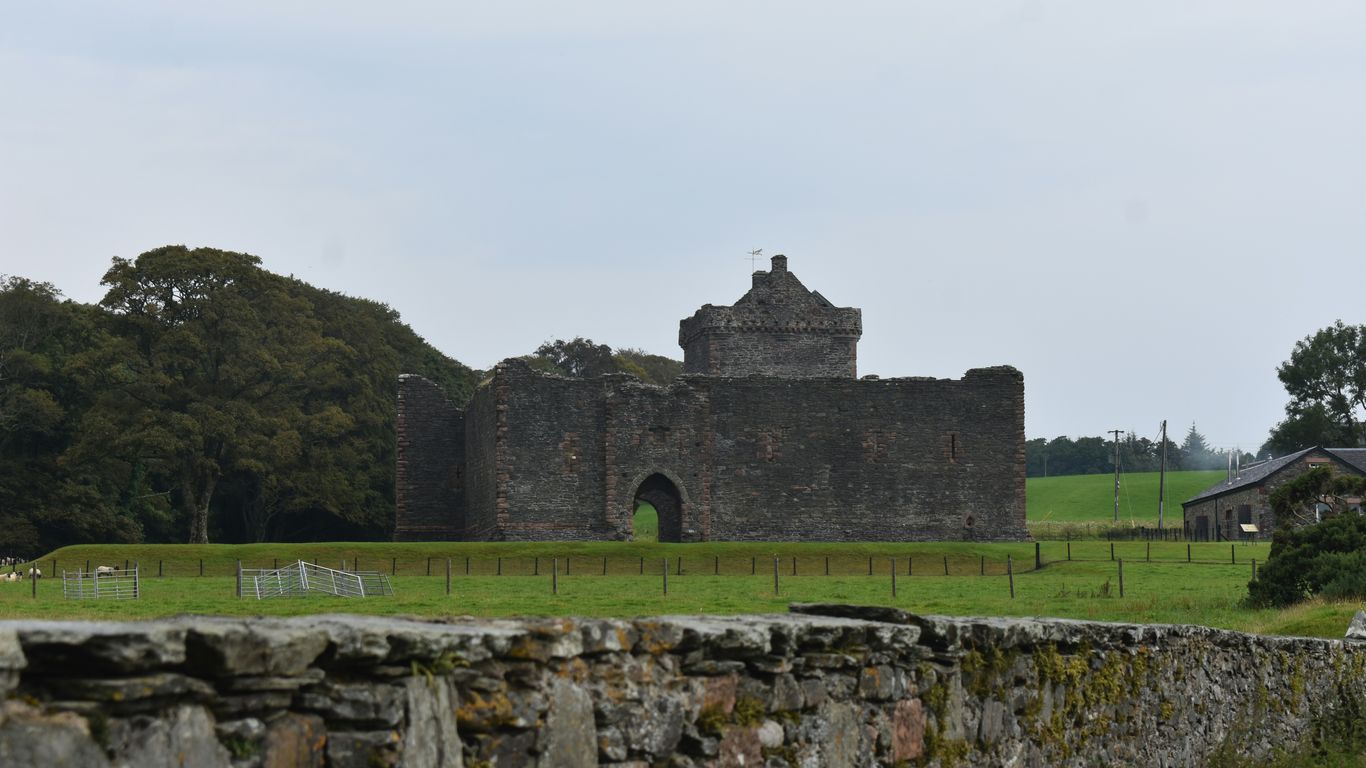
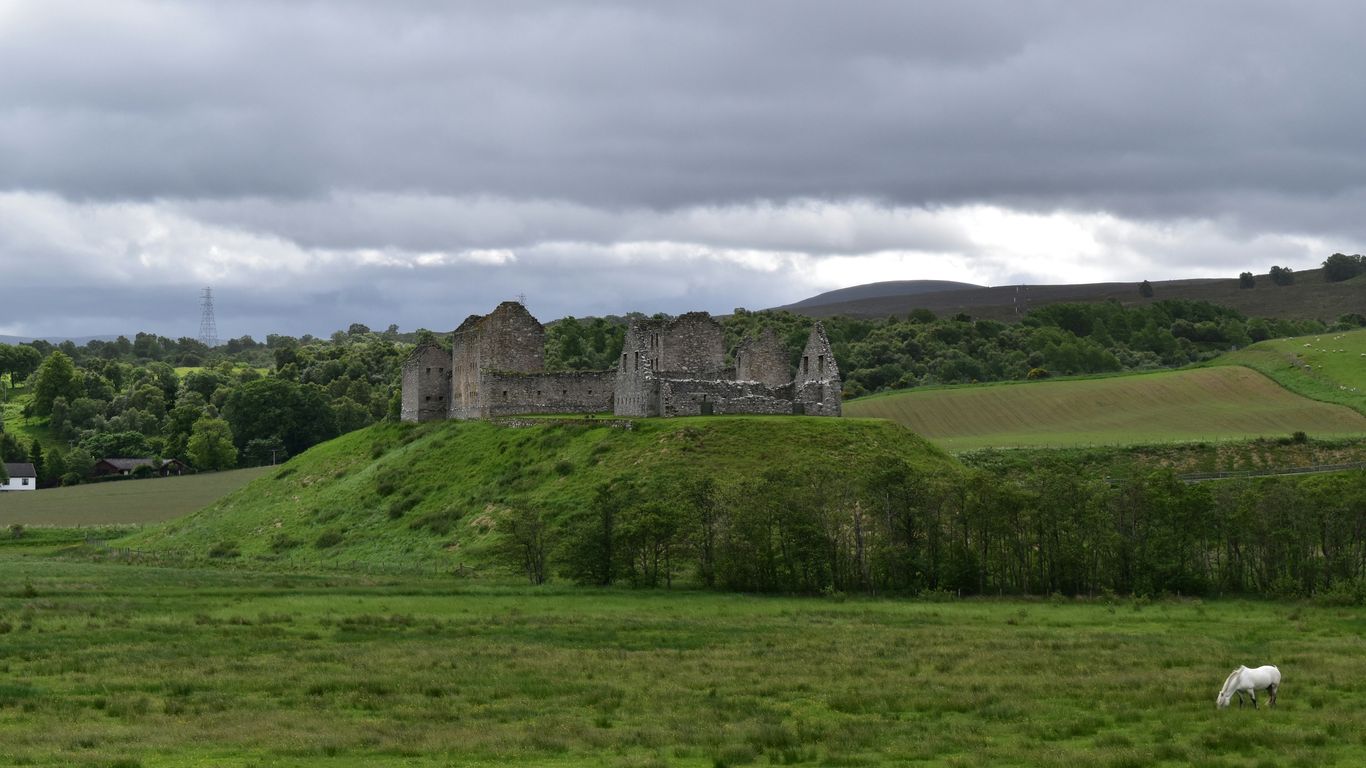
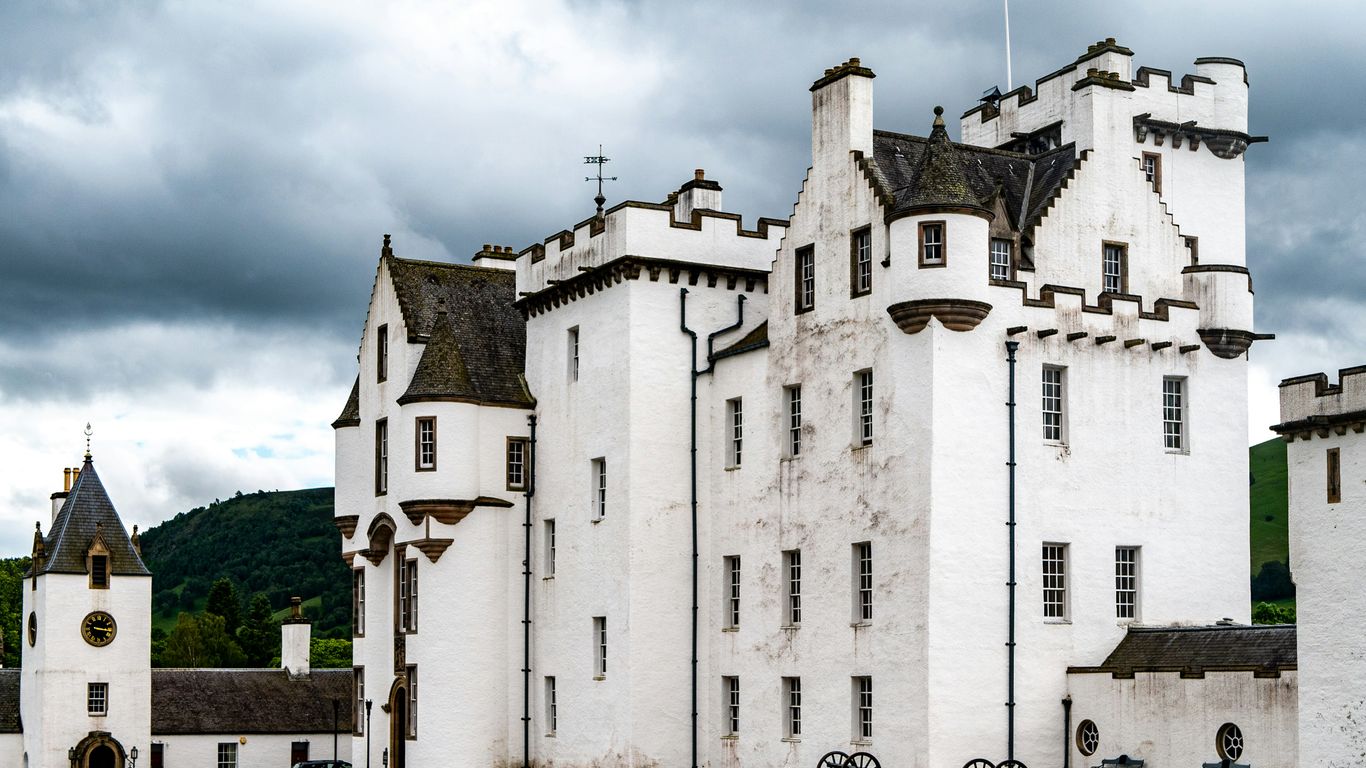
Thinking about a big family trip where everyone gets their own space, but you all stay together? Maybe a historic estate is on your mind. We’re looking at the big difference between a Scottish Castle and an Irish Manor for a multi-generational buyout. It’s a pretty wild idea, but why not? Imagine your whole family under one roof, but a roof that’s hundreds of years old. It’s a lot to think about, from the look and feel to what you’d actually do there.
Key Takeaways
Choosing between a Scottish Castle and an Irish Manor for a multi-generational trip means weighing historical grandeur against elegant estate living.
Scottish castles offer a deep dive into history with unique architecture, while Irish manors provide charm and a blend of tradition with comfort.
Both types of properties can accommodate large groups, offering privacy and space for all family members to create lasting memories.
Activities can range from exploring local culture and history to enjoying gardens and outdoor pursuits, depending on the estate’s location and features.
Acquiring or renting such a property involves considerations like renovation, staffing, and budgeting, but can offer affordable luxury and investment potential for groups.
Scottish Castle vs Irish Manor: A Grand Overview
The Allure of Historic Estates
Thinking about a big family getaway, maybe even buying a place together? It’s a pretty cool idea, right? Instead of the usual beach house or condo, imagine something with a bit more… history. We’re talking about grand old estates, places that have stories etched into their very stones. Scotland and Ireland are practically overflowing with these kinds of properties, each offering a totally different vibe for a multi-generational buyout. It’s not just about having a place to stay; it’s about owning a piece of the past and creating new memories within its walls.
Defining Your Dream Estate
So, what exactly are we looking for? A Scottish castle often brings to mind rugged towers, thick stone walls, and maybe even a hint of ancient battles. They feel solid, historic, and undeniably grand. On the other hand, an Irish manor house usually conjures images of elegant Georgian or Victorian architecture, sprawling green grounds, and a sense of refined country living. The choice between a castle and a manor really comes down to the kind of atmosphere and experience you want for your family. Are you drawn to the dramatic and the historic, or the charming and the elegant? It’s about finding that perfect fit for everyone.
Here’s a quick look at what each might offer:
Scottish Castle:
Architectural style: Medieval, fortified, often with turrets and battlements.
Setting: Frequently dramatic landscapes, hillsides, or near lochs.
Vibe: Historic, imposing, a sense of enduring strength.
Irish Manor:
Architectural style: Georgian, Victorian, often with large windows and classical features.
Setting: Typically set within extensive, manicured grounds or rolling countryside.
Vibe: Elegant, comfortable, a sense of refined estate living.
Beyond the Tourist Trail
When you’re looking at buying an estate, you’re not just picking a vacation spot; you’re choosing a lifestyle. These aren’t your typical tourist destinations where you just pop in for a day. Owning a castle or a manor means you’re becoming part of its ongoing story. It’s about having a private retreat that’s steeped in history, offering a unique backdrop for family gatherings, celebrations, and quiet moments alike. It’s a chance to step away from the everyday and immerse yourselves in something truly special, far from the usual crowds.
Scottish Castle: A Fortress of History
Architectural Grandeur and Turrets
Scottish castles aren’t just old buildings; they’re like history books carved in stone. You’ll find everything from imposing medieval fortresses, built for defense with thick walls and strategic towers, to more refined structures that emerged later, showing off intricate stonework and grander designs. Think soaring turrets that pierce the sky, battlements that once saw action, and imposing gateways that speak of a time when security was paramount. These structures are a testament to centuries of architectural evolution, each stone telling a story of its era.
Medieval Fortresses: Characterized by robust defenses, thick walls, and strategic placement.
Baronial Homes: Often smaller, more comfortable residences built by wealthy landowners, blending defensive features with living spaces.
Later Additions: May include more ornate facades, larger windows, and grander interior halls reflecting changing needs and styles.
Echoes of Clans and Battles
These ancient walls have witnessed a lot. They’ve been the heart of clan life, the stage for fierce battles, and the backdrop for royal intrigue. Standing within them, you can almost hear the whispers of history – the clash of swords, the roar of celebrations, the quiet plotting of lords. Many castles are deeply tied to Scotland’s famous clans, each with its own saga of loyalty, conflict, and survival. Exploring these sites offers a tangible connection to the dramatic past that shaped the nation.
The very air inside a Scottish castle seems to hum with the weight of centuries. It’s a place where legends feel real and the past is never truly gone.
Modern Amenities in Ancient Walls
Don’t let the ancient facade fool you; many Scottish castles have been updated to offer surprising comfort. While preserving their historic character, owners have often integrated modern conveniences. Imagine enjoying Wi-Fi and central heating within walls that have stood for hundreds of years. Some even boast updated kitchens, luxurious bathrooms, and beautifully appointed living spaces, making a stay both atmospheric and comfortable. It’s a unique blend of stepping back in time without sacrificing the comforts of today.
Feature
Traditional Aspect
Modern Integration
Heating
Open fires, drafty rooms
Central heating, underfloor
Connectivity
None
Wi-Fi, phone service
Bathrooms
Communal, basic
En-suite, modern fixtures
Kitchens
Basic hearths
Fully equipped, modern appliances
Irish Manor: Elegance and Estate Living
When you picture a grand family getaway, what comes to mind? For many, it’s the rolling green hills and the stately charm of an Irish manor. These estates offer a different kind of historical immersion compared to a castle, focusing more on refined living and the beauty of the surrounding landscape. They often feel more like a grand, albeit very old, home than a defensive structure.
The Charm of Georgian and Victorian Design
Irish manors typically showcase the architectural styles of the Georgian and Victorian eras. Think elegant symmetry, large sash windows that let in tons of natural light, and a sense of understated grandeur. Unlike the imposing stone walls of a castle, manors often feature softer facades, perhaps stucco or brick, with intricate detailing that speaks to a different kind of opulence. Inside, you’ll find spacious rooms with high ceilings, ornate plasterwork, and grand fireplaces – perfect for cozying up after a day exploring.
Georgian Style: Emphasizes balance, proportion, and classical motifs. Expect clean lines and a sense of order.
Victorian Style: Often more elaborate, with decorative elements, bay windows, and a romantic feel.
Common Features: Large drawing rooms, libraries, formal dining rooms, and sweeping staircases.
Rolling Landscapes and Secluded Estates
One of the biggest draws of an Irish manor is its setting. These properties are usually set within vast, private grounds, often featuring mature gardens, ancient trees, and sweeping lawns. Imagine waking up to views of mist-covered hills or a tranquil lake. The sense of seclusion is profound; you’re not just renting a house, you’re inhabiting your own private piece of the Irish countryside. This makes them ideal for multi-generational trips where everyone can find their own quiet corner or gather for leisurely strolls.
The grounds themselves are often as much a part of the experience as the house. They offer space for children to play freely, for adults to enjoy a quiet walk, or for a large family gathering to spread out and enjoy the fresh air. It’s a chance to disconnect from the hustle and bustle and reconnect with nature and each other.
A Blend of Tradition and Comfort
While steeped in history, Irish manors aren’t stuck in the past. Modern renovations have thoughtfully updated many of these estates, blending their historic character with the comforts we expect today. You might find updated kitchens, luxurious bathrooms, and reliable heating systems, all while preserving the original architectural details. This careful balance means you can enjoy the romance of an old estate without sacrificing modern convenience. It’s about experiencing the best of both worlds – the echoes of history alongside contemporary ease.
Here’s what you can typically expect:
Spacious Living Areas: Ample room for everyone to gather, from formal drawing rooms to more casual lounges.
Comfortable Bedrooms: Often individually decorated, providing a cozy retreat for each family member.
Modern Kitchens: Well-equipped for preparing family meals, though many estates also offer catering services.
Beautiful Grounds: Gardens, woodlands, and sometimes even lakes or rivers for exploration and recreation.
Privacy: A true escape, offering a sense of exclusivity and peace.
Choosing Your Multi-Generational Retreat
So, you’re thinking about a big family trip, something more than just a hotel room. You want a place where everyone, from the littlest ones to the grandparents, can feel comfortable and make some real memories. That’s where picking the right kind of historic estate really matters. It’s not just about having a roof over your head; it’s about the whole experience.
Space for Every Generation
When you’ve got multiple generations under one roof, space is king. You need areas where the kids can play without disturbing anyone, quiet spots for the adults to read or chat, and of course, comfortable bedrooms for everyone. Think about how many bathrooms you’ll need, too – nobody wants to wait in line for too long!
Generous Living Areas: Look for properties with multiple lounges or sitting rooms so different groups can do their own thing.
Ample Bedrooms: Ensure there are enough bedrooms to accommodate everyone comfortably, with options for different family sizes.
Dedicated Play Spaces: If possible, find a place with a playroom or a large garden where children can burn off energy.
Privacy and Exclusivity
Even though it’s a family trip, everyone still appreciates a bit of personal space. A good estate will offer private wings or separate cottages within the grounds, giving families or individuals their own little sanctuary. This way, you can have big group meals and activities, but also retreat to your own quiet corner when you need it.
Having a large estate means you can host grand family gatherings in the main hall, but also have the option for smaller, more intimate dinners in a private dining room or even a picnic out on the grounds. It’s about having choices.
Creating Lasting Family Memories
Ultimately, the goal is to create experiences that everyone will talk about for years. Whether it’s exploring ancient ruins, having a family talent show in a grand ballroom, or simply enjoying a meal together in a stunning setting, the estate itself becomes part of the story. The right choice will offer opportunities for shared adventures and quiet moments alike.
Here are a few ideas to get you started:
Organize a Family History Project: Use the estate’s history as inspiration to learn about your own family tree.
Plan Themed Evenings: Host a medieval feast, a Victorian tea party, or a modern-day gala.
Outdoor Exploration: Map out scavenger hunts in the gardens or arrange guided walks around the property.
Shared Cooking Experiences: If the kitchen is large enough, plan a multi-generational cooking day.
Experiences Within Castle Walls
Staying in a castle isn’t just about the history; it’s about immersing yourself in a unique lifestyle. Think grand feasts, exploring hidden passages, and maybe even a bit of royal revelry. These ancient structures offer a backdrop for unforgettable family moments.
Royal Events and Celebrations
Imagine hosting a milestone birthday or an anniversary celebration within walls that have witnessed centuries of history. Many castles are equipped to handle large gatherings, offering stunning ballrooms, historic dining halls, and expansive grounds perfect for marquees or outdoor festivities. You can arrange for themed banquets, complete with period costumes and entertainment, making your event truly one-of-a-kind. It’s a chance to create a legacy event that your family will talk about for generations.
Exploring Local Culture and History
Castles are often situated in areas rich with local lore and historical significance. Many offer guided tours that go beyond the usual tourist trail, delving into the specific stories of the families who lived there, the battles fought on their lands, and the architectural evolution of the structure itself. You might find opportunities for private viewings of historical artifacts or even meet with local historians. This is your chance to connect with the heritage of the region on a personal level.
Unique Themed Adventures
Beyond standard tours, castles can be the setting for truly imaginative experiences. Consider a medieval-themed scavenger hunt across the grounds, a murder mystery dinner where guests play out a historical drama, or even a ‘knight’s training’ session for the adventurous. Some estates offer falconry displays or archery lessons, allowing your multi-generational group to try their hand at traditional pursuits. These activities add a layer of interactive fun that appeals to all ages.
Here’s a glimpse at what you might experience:
Grand Banquets: Formal dinners in historic dining halls with multi-course meals.
Historical Reenactments: Witnessing or participating in events that bring the past to life.
Artisan Workshops: Learning traditional crafts like calligraphy or tapestry making.
Stargazing: Utilizing the clear, dark skies often found around remote castles.
The sheer scale and atmosphere of a castle provide a unique canvas for family gatherings. It’s more than just a place to stay; it’s an experience that engages the senses and sparks the imagination, offering a tangible connection to the past that’s both educational and incredibly fun.
Experiences Within Manor Grounds
While a castle might conjure images of grand halls and ancient battles, an Irish manor offers a different, yet equally captivating, experience centered around its grounds. Think rolling hills, manicured gardens, and a sense of peaceful seclusion. It’s less about the fortress and more about the estate life.
Gardens and Outdoor Pursuits
Manor grounds are often a treasure trove of natural beauty and opportunities for gentle activity. You might find yourself wandering through meticulously kept gardens, perhaps discovering hidden fountains or ancient trees that have seen centuries pass. These aren’t just pretty spaces; they’re invitations to slow down.
Here are a few ways to enjoy the grounds:
Leisurely Strolls: Simply walk the paths, breathing in the fresh air and admiring the landscaping. It’s a great way to clear your head.
Picnics: Pack a basket and find a scenic spot. Imagine enjoying local cheeses and bread with a view of the estate.
Nature Observation: Keep an eye out for local wildlife. The varied habitats on large estates often attract a surprising number of bird species and other small creatures.
Gentle Exercise: Many manors have space for activities like croquet or simply a good game of fetch for any canine companions.
The tranquility of these grounds is a major draw for those seeking a break from the everyday hustle.
Cultural Immersion and Local Charm
Beyond the immediate beauty of the gardens, the manor grounds often serve as a gateway to the surrounding local culture. Many estates are steeped in history, and exploring them can feel like stepping back in time. You might find yourself learning about the families who lived there, the agricultural practices of the region, or even local folklore.
Historical Walks: Guided tours might be available, or you can simply explore and imagine the lives of those who came before.
Local Produce: Some estates have their own gardens or farms, offering a chance to taste and learn about local produce.
Community Connection: Often, the manor grounds are connected to local villages or towns, providing opportunities to interact with residents and experience authentic Irish hospitality.
Living on an estate grounds you to the land and its history in a way that’s hard to replicate. It’s a connection that feels both personal and profound, offering a quiet understanding of the past.
Relaxation and Wellness Retreats
An Irish manor’s grounds are perfectly suited for unwinding. The emphasis here is on peace, quiet, and rejuvenation. It’s about creating a space where everyone in the multi-generational group can find their own form of relaxation, whether that’s reading a book under a large oak tree or simply enjoying the quiet.
Consider these aspects for a wellness-focused stay:
Quiet Zones: Designate specific areas for quiet reflection or meditation.
Outdoor Yoga/Meditation: The open spaces are ideal for gentle movement and mindfulness practices.
Digital Detox: Encourage family members to disconnect from devices and reconnect with each other and their surroundings.
It’s about creating an atmosphere where stress melts away, replaced by a sense of calm and well-being, all within the beautiful embrace of the estate.
Logistics of a Grand Estate Acquisition
So, you’ve set your sights on a historic Scottish castle or a charming Irish manor for your multi-generational getaway. That’s fantastic! But before you start picturing yourself in a turret or a grand ballroom, let’s talk about the nitty-gritty. Acquiring a place like this isn’t quite like buying a regular house; it comes with its own set of challenges and considerations.
Renovation and Restoration Considerations
Most of these grand old properties, while full of character, haven’t seen a major update in decades, if not centuries. This means you’ll likely be looking at significant work. Think rewiring, replumbing, new roofs, and maybe even structural repairs. It’s not just about making things look pretty; it’s about making them safe and functional for your family.
Structural Integrity: Assess the foundation, walls, and roof for any immediate issues. Old stone can be beautiful but also prone to damp or decay.
Modernizing Systems: Updating electrical, plumbing, and heating systems is a must. These old places weren’t built with modern energy needs in mind.
Preservation vs. Modernization: You’ll need to decide how much of the original character you want to preserve versus how much you need to update for comfort and convenience. This can be a delicate balance.
Budgeting for the Unexpected: Always set aside a contingency fund. Old houses have a way of revealing hidden problems once you start peeling back the layers.
The sheer scale of renovation can be overwhelming. It’s wise to get detailed quotes from contractors experienced with historic properties. They’ll have a better idea of what to expect and how to approach the work sympathetically.
Staffing and Maintenance Needs
Owning a large estate isn’t a DIY project. To keep a castle or manor in top shape, you’ll need a team. This could range from a full-time groundskeeper and a housekeeper to a property manager who oversees everything.
Groundskeeping: Large gardens, extensive lawns, and perhaps even woodlands require regular attention.
Interior Maintenance: Cleaning, repairs, and general upkeep of numerous rooms, fireplaces, and antique fixtures.
Security: Depending on the location and size, you might consider security personnel or advanced systems.
Specialized Skills: You might need to find people skilled in maintaining specific historical features, like slate roofs or ancient plumbing.
Navigating Property Management
Even if you plan to use the estate primarily for family gatherings, managing it day-to-day can be a full-time job. This is where professional property management can be a lifesaver. They can handle everything from coordinating repairs and paying bills to managing any potential rental income if you decide to open it up for events or short-term stays.
Finding the Right Manager: Look for someone with experience managing large, historic properties. References are key.
Defining Responsibilities: Clearly outline what the property manager will be responsible for and what decisions you will retain.
Communication: Establish a regular communication schedule to stay informed about the property’s status and any issues that arise.
Ultimately, the logistical demands of owning a grand estate are significant, but with careful planning and the right support, they are entirely manageable.
Budgeting for Your Castle or Manor
So, you’re thinking about snagging a historic estate for the whole family? Awesome! But before you start picturing yourself in a turret, let’s talk about the money side of things. Owning or even renting a place like this isn’t quite like buying a condo, you know?
Affordable Luxury and Group Savings
Who says you need a king’s ransom to live like royalty? It turns out, these grand places can be surprisingly accessible, especially if you’re smart about it. The real trick is looking for group deals or booking during the off-peak season. Many castles and manors offer better rates if you visit when fewer people are around. Plus, if you’re pooling resources with family or friends, the cost per person drops significantly. It’s all about making that dream stay more manageable.
Here are a few ways to stretch your budget:
Group Discounts: Many estates offer special rates for larger parties. Don’t be shy about asking!
Self-Catering Options: If your group is big, choosing a place with a good kitchen can save a ton on food.
Shoulder Seasons: Traveling just before or after the main tourist rush can mean big savings on both accommodation and flights.
Understanding Purchase and Rental Costs
Okay, let’s get down to brass tacks. Whether you’re buying or renting, the costs are pretty different from your average home. For rentals, you’ll see a wide range. A small, historic cottage on a large estate might be quite reasonable for a week, while booking out an entire castle for a month will naturally be a much bigger investment.
If you’re thinking about buying, the price tag can vary wildly based on location, size, condition, and historical significance. You’re not just buying bricks and mortar; you’re buying a piece of history. And that comes with a premium.
Cost Type
Typical Range (Rental/Month)
Typical Range (Purchase)
Base Cost
$5,000 – $50,000+
$500,000 – $10,000,000+
Utilities
Included or $500 – $2,000+
$1,000 – $5,000+
Maintenance
Often included
$10,000 – $100,000+ annually
Taxes/Insurance
Usually included
$5,000 – $50,000+ annually
Investment Potential of Historic Properties
Thinking of buying? It’s not just about having a place for family gatherings. Historic properties, especially well-maintained castles and manors, can be a solid investment. They often hold their value well, and in some cases, appreciate over time, particularly in desirable locations or if they have unique historical appeal. Plus, if you’re not using it year-round, you might even consider renting it out for events or short-term stays to offset costs. It’s a big commitment, for sure, but the potential returns, both financial and in terms of family legacy, can be pretty significant.
The Ultimate Scottish Castle vs Irish Manor Decision
Aligning Estate Choice with Family Vision
So, you’ve dreamt of a grand escape, a place where generations can gather and make memories. Now comes the big question: a historic Scottish castle or an elegant Irish manor? It’s not just about picking a pretty building; it’s about finding the right fit for your family’s unique style and what you hope to get out of this special getaway. Think about the vibe you’re going for. Do you picture yourselves exploring ancient ramparts and hearing tales of clans, or perhaps strolling through manicured gardens and enjoying the gentle rolling hills? The choice really boils down to the atmosphere you want to create.
The Irresistible Call of the Highlands
Scotland offers a certain rugged romance. Castles here often feel like they’ve been plucked straight from a history book, with imposing stone walls, dramatic towers, and a sense of enduring strength. Imagine waking up to views of misty glens or rugged coastlines. These estates have witnessed centuries of history, from clan gatherings to royal visits. They offer a chance to step into a dramatic past, perhaps with a bit of a wild, untamed beauty. It’s a place where you can almost feel the echoes of battles and ancient traditions.
Architectural Style: Expect robust stone structures, turrets, battlements, and a generally formidable presence.
Landscape: Often dramatic, featuring mountains, lochs, coastlines, and wilder terrain.
Historical Feel: A strong sense of medieval history, clan heritage, and a touch of the dramatic.
Choosing a Scottish castle can feel like embracing a piece of living history, a fortress that has stood the test of time and offers a unique, powerful backdrop for family gatherings.
The Enduring Appeal of the Emerald Isle
Ireland, on the other hand, often presents a softer, more refined elegance. Manors here, frequently Georgian or Victorian, tend to boast graceful proportions, large windows that let in plenty of natural light, and a connection to the surrounding countryside that feels more pastoral. Think sprawling green estates, peaceful gardens, and a sense of comfortable grandeur. It’s about a refined living experience, where history meets comfort in a more gentle way. The landscapes are often lush and inviting, perfect for leisurely walks and quiet contemplation.
Architectural Style: Typically features elegant Georgian or Victorian designs, with spacious rooms, large windows, and classical facades.
Landscape: Characterized by rolling green hills, manicured gardens, and serene parklands.
Historical Feel: A sense of landed gentry, refined country living, and a connection to a more recent, yet still rich, historical period.
Ultimately, whether you’re drawn to the dramatic history of a Scottish castle or the refined charm of an Irish manor, the most important thing is that it feels right for your family. It’s about finding that perfect setting to create new stories for generations to come.
Choosing between a grand Scottish castle and a charming Irish manor can be tough! Both offer unique historical experiences and breathtaking views. Imagine waking up in a centuries-old fortress or exploring the rolling green hills from a cozy estate. If you’re dreaming of a truly unforgettable getaway, let us help you find the perfect historic stay. Visit our website today to explore your options and book the trip of a lifetime!
So, Which Royal Retreat Wins?
Deciding between a Scottish castle and an Irish manor for your multi-generational buyout really comes down to the vibe you’re going for. Castles, with their ancient stones and sprawling grounds, offer that dramatic, historical fairytale feel – think turrets, history-soaked halls, and maybe even a ghost story or two. They’re grand, often set against wild landscapes, and perfect if you want to feel like you’ve stepped right into a history book. Manors, on the other hand, tend to be a bit more grounded, offering elegance and comfort with a rich sense of place, often surrounded by beautiful gardens and a more intimate, yet still impressive, atmosphere. Both can be surprisingly accessible for groups, especially if you look into off-peak times or group deals. Ultimately, whether you choose the rugged charm of Scotland or the refined grace of Ireland, you’re signing up for an unforgettable group getaway that’s way beyond the usual hotel stay.
Frequently Asked Questions
What’s the main difference between a Scottish castle and an Irish manor?
Think of Scottish castles as old fortresses, often with towers and thick walls, built for defense long ago. Irish manors are more like grand houses, usually from the Georgian or Victorian times, focusing on elegance and comfort rather than protection. They both offer a historic feel, but castles are more about rugged history, while manors lean towards refined country living.
Can you really live in a castle or manor with your whole family?
Absolutely! These large estates are perfect for multi-generational trips. They offer plenty of space for everyone, from grandparents to grandkids, with separate areas for privacy and common rooms for family time. It’s a unique way to bring everyone together for a memorable vacation.
Are these historic homes comfortable for modern families?
Yes, most historic castles and manors have been updated. While they keep their old-world charm and architecture, they usually come with modern comforts like Wi-Fi, updated kitchens, and comfortable heating. You get the best of both worlds: a step back in time with today’s conveniences.
What kind of activities can we do at a castle or manor?
It really depends on the place! Castles might offer exploring ancient grounds, themed adventures, or even hosting big parties. Manors often have beautiful gardens for relaxing, opportunities for outdoor fun like walking or golfing, and chances to experience local culture. Both can be great for creating special family memories.
Is it very expensive to rent a whole castle or manor?
It can seem pricey, but it’s often more affordable than you think, especially when you split the cost with a large group. Think of it like renting a big house for everyone. Prices vary a lot, but deals can be found, particularly if you travel during less busy times of the year.
What about upkeep and staff if we buy one?
Owning a historic estate means you’ll need to consider ongoing costs for maintenance and possibly staff, like caretakers or gardeners. Renovations can also be a big project. Many owners hire property management companies to handle these details, especially if they don’t live there full-time.
Can we host events like weddings or big family reunions there?
Definitely! Castles and manors are popular spots for special events. Their grand halls, beautiful grounds, and unique atmosphere make them perfect for weddings, milestone birthdays, or large family gatherings. You can often customize the event to fit your vision.
Which is a better choice: Scotland or Ireland?
That’s a personal choice! If you dream of dramatic history, ancient battles, and rugged landscapes, a Scottish castle might call to you. If you prefer elegant architecture, rolling green hills, and a slightly softer historical feel, an Irish manor could be your ideal retreat. Both offer incredible experiences and a chance to make lasting family memories.