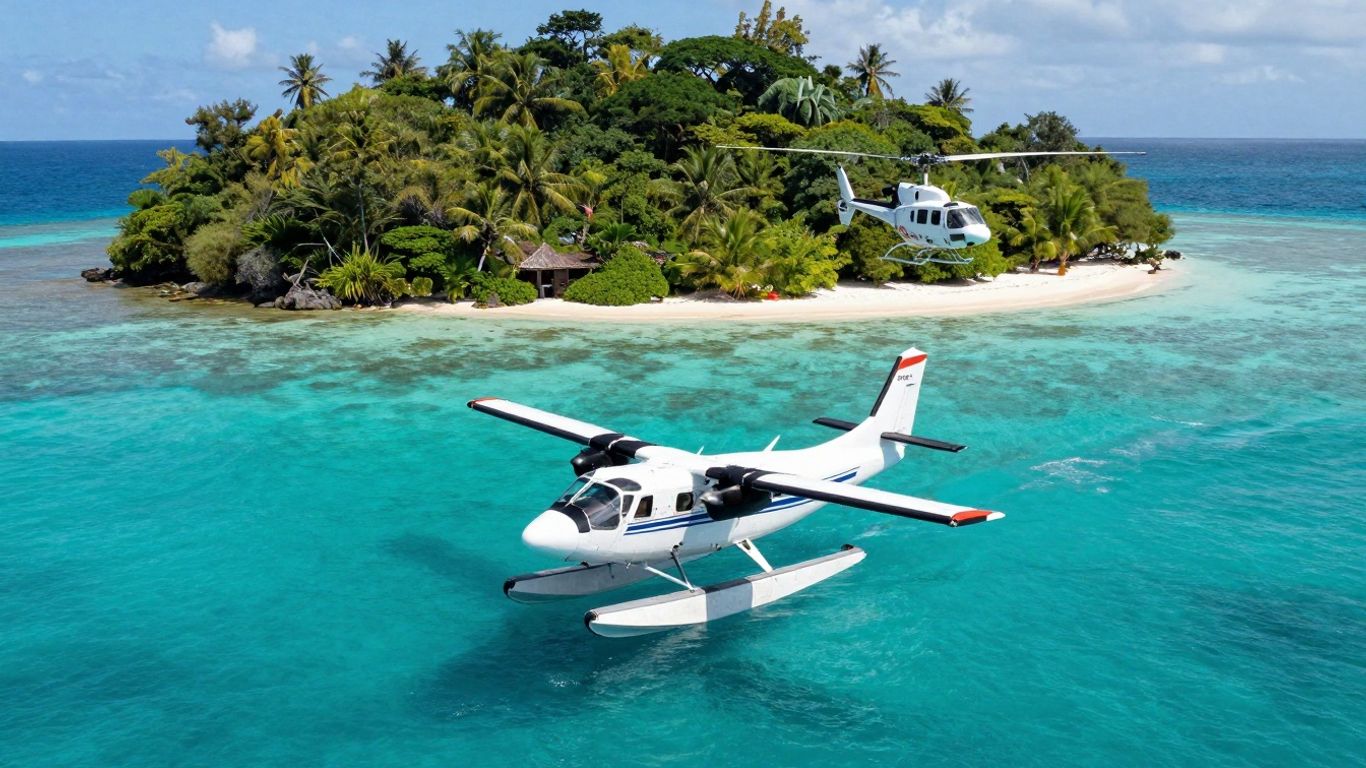
When planning a trip to an island paradise, getting there is part of the adventure. You’ve got two cool options for island hopping: seaplanes and helicopters. Both get you to your destination, but they offer pretty different experiences. We’re going to break down the seaplane vs helicopter transfers to help you figure out which one is best for your next getaway. Think about what you want from your trip – the views, the ease of access, and the overall vibe.
Key Takeaways
Seaplanes land on water and offer a unique, boat-like taxi experience, often with more space for passengers and luggage compared to helicopters.
Helicopters provide vertical takeoff and landing, allowing access to more varied island terrain, including elevated or tight spots where seaplanes can’t go.
Both aircraft offer amazing views, but seaplanes provide panoramic vistas from lower altitudes over water, while helicopters give a higher, broader aerial perspective.
Seaplane operations are typically limited to daylight hours and calm water conditions, whereas helicopters have more flexibility with lighting and can often operate in less-than-ideal weather.
Pilot skill is super important for both, but seaplane pilots need extra training for water landings and dealing with surface conditions, while helicopter pilots are skilled at precise vertical maneuvers.
Seaplane vs Helicopter Transfers: An Overview
Understanding Seaplane Capabilities
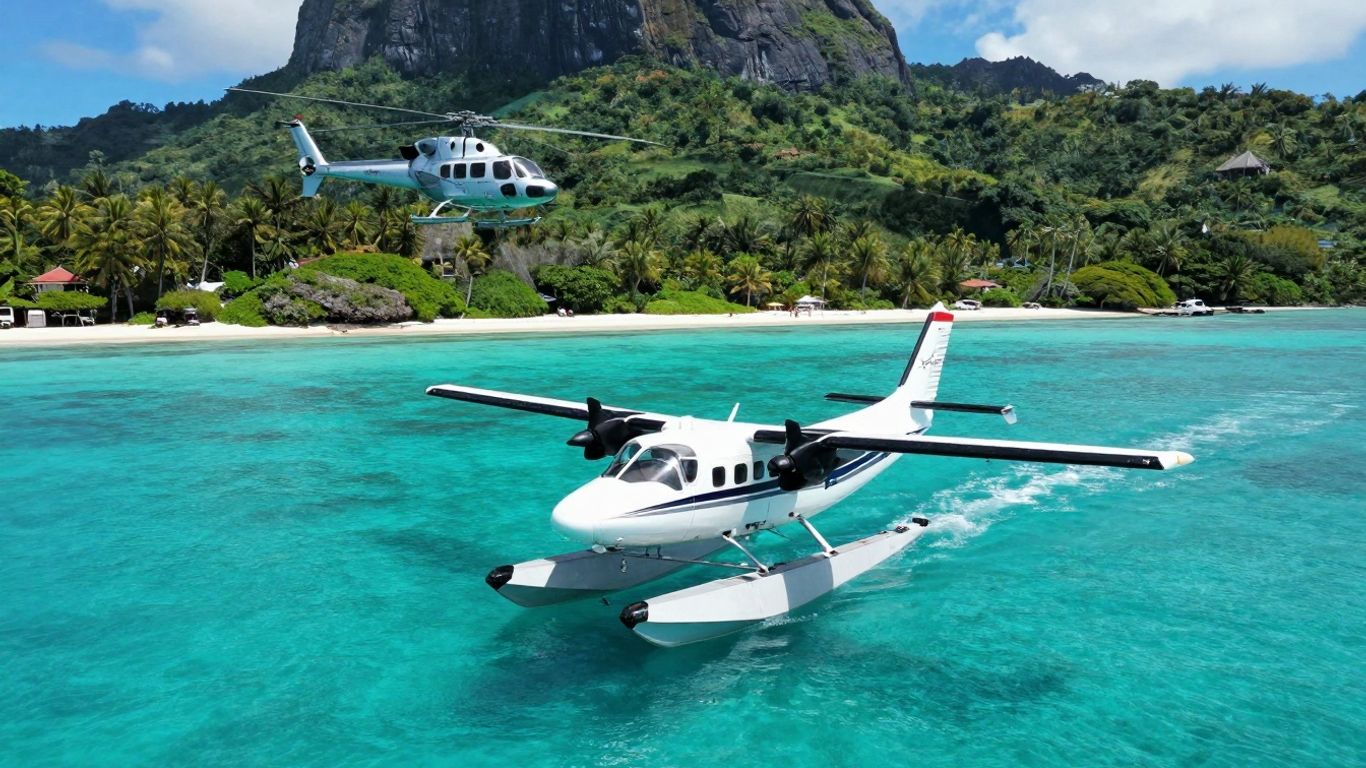
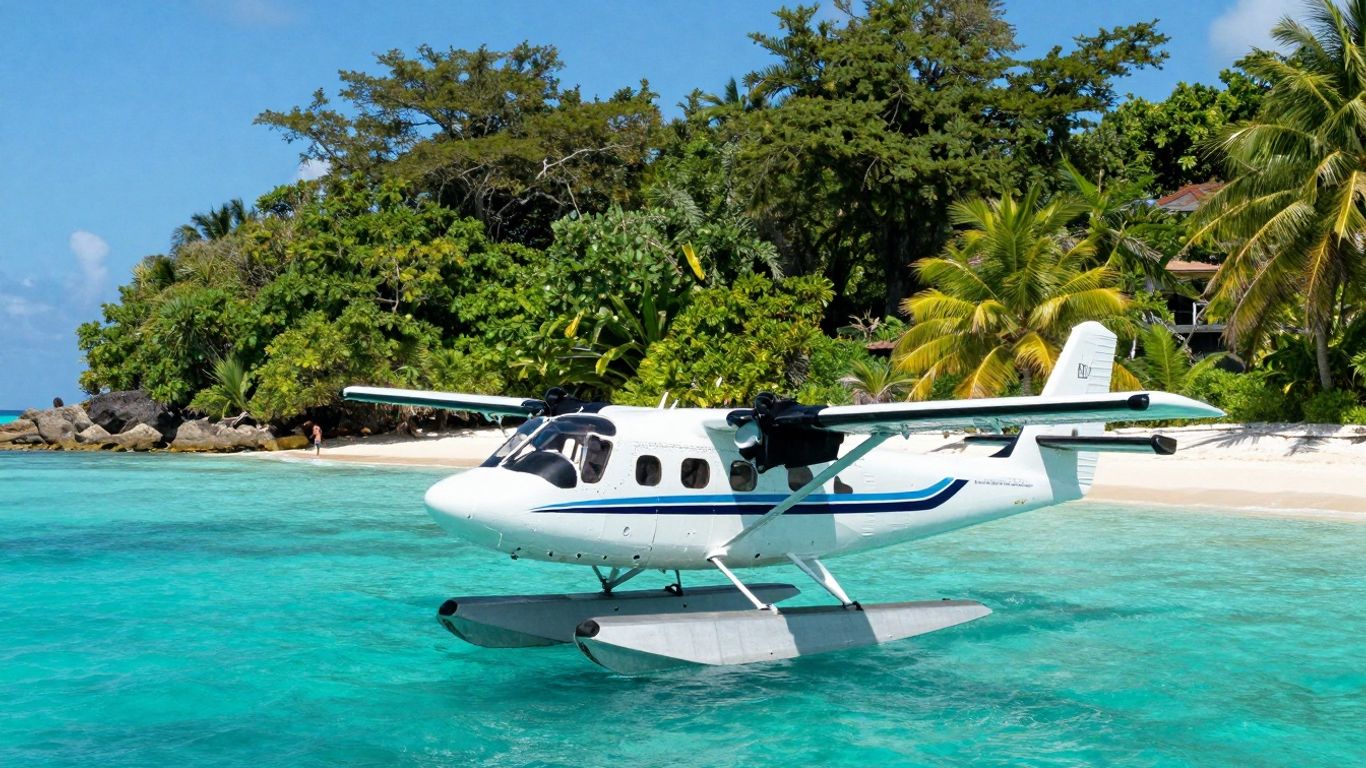
Seaplanes offer a unique way to travel, especially to islands. Think of them as planes that can also act like boats. They use floats, which are like built-in pontoons, allowing them to take off from and land on water. This means they don’t need a runway; any reasonably calm body of water will do. The floats have special designs, like keels and skegs, to keep the plane steady on the water, much like a boat’s hull. When it comes to getting airborne, seaplanes need a bit more power from their propellers compared to regular planes of the same size. This extra push is necessary to overcome the drag from the water and get the aircraft up into the air. They operate on the principle of buoyancy, a basic physics idea that allows objects less dense than water to float.
Exploring Helicopter Advantages
Helicopters, on the other hand, are known for their incredible flexibility. Their main trick is the ability to take off and land vertically, meaning they don’t need any space to move forward or backward to get airborne or settle down. This makes them perfect for reaching places that are hard to get to otherwise, like the tops of mountains or small clearings. They can hover in place, which is useful for many tasks, and their ability to land in tight spots gives them access to a wider range of locations compared to seaplanes, which are limited to water surfaces.
Key Considerations for Island Travel
When planning a trip to an island, choosing between a seaplane and a helicopter involves looking at a few things. Seaplanes are great for their ability to carry more people and luggage, and they often have more legroom. They also tend to be less affected by certain types of weather than helicopters might be. However, helicopters can land in more varied terrain, not just water. The decision often comes down to what you prioritize: the scenic water landing experience of a seaplane, or the direct, versatile access a helicopter provides. Both have their own special appeal for reaching those beautiful island destinations.
The Unique Appeal of Seaplane Island Access
Water Takeoffs and Landings: A Seamless Transition
There’s something truly special about a seaplane. Unlike other aircraft, they don’t need a runway. Instead, they use any calm body of water – a lake, a river, or the ocean itself. This ability to touch down and lift off from water is what makes them so unique for island travel. Imagine gliding across the surface of the water, then smoothly lifting into the air. It’s a different kind of travel, one that connects you directly with the aquatic environment.
Buoyancy and Stability: Engineering for the Water
Seaplanes are built with floats, which work thanks to a basic physics principle: buoyancy. These floats are designed to keep the plane stable on the water, much like a boat. Special structures called a keel and skeg help prevent tipping, keeping things steady whether you’re moving forward or sideways. This engineering allows seaplanes to handle the water surface with surprising grace.
Navigating Remote Waterways
Seaplanes are fantastic for reaching places that are hard to get to otherwise. Think about remote islands or areas with lots of lakes and rivers. Professionals like geologists or marine biologists often use seaplanes to get to these out-of-the-way spots for their work. They can access areas that might be completely cut off by land. It’s a way to explore the less-traveled parts of the world.
Access to secluded locations
Direct connection with natural water bodies
Unique travel experience
The ability to land on water opens up a world of possibilities for exploration and travel, especially to island destinations that might otherwise be difficult to reach. It’s a mode of transport that truly embraces its environment.
Helicopter Versatility for Diverse Island Landscapes
Vertical Takeoff and Landing Precision
Helicopters bring a unique kind of freedom to island travel. Their ability to lift straight up and down means they don’t need a runway, or even a large open space. This makes them incredibly useful for reaching spots that are otherwise hard to get to. Think about it: no need for a prepared landing strip, just a clear area is enough. This is a big deal when you’re dealing with islands that might have dense forests or rocky terrain.
Accessing Elevated or Confined Island Locations
Because helicopters can hover and land vertically, they can access places that planes, even seaplanes, just can’t reach. Imagine needing to get to a high cliffside viewpoint or a small clearing deep within a jungle. A helicopter can do that. This capability is a game-changer for exploration, research, or even just getting to a secluded resort tucked away on a mountainside. Their ability to operate in tight spaces is unmatched.
Overcoming Terrain Obstacles
Islands often present challenging landscapes – steep hills, dense vegetation, or even limited water access. Helicopters bypass these issues entirely. They aren’t limited by the ground below in the way a seaplane is limited by water or a traditional plane by runways. This means they can provide transport and access to virtually any point on an island, regardless of the terrain. This makes them ideal for:
Reaching remote research stations.
Transporting supplies to isolated communities.
Providing emergency medical access.
Exploring areas with significant elevation changes.
The flexibility of a helicopter means that the journey itself can become part of the adventure, opening up possibilities for accessing unique locations that would otherwise remain out of reach. It’s about getting you there, no matter how tricky the ‘there’ might be.
Passenger Experience and Capacity
Seaplane’s Generous Legroom and Load Capacity
When you step onto a seaplane, you often notice the space right away. These aircraft, especially models like the de Havilland Otter or the larger Twin Otter, are built with utility and passenger comfort in mind. Think of them as the workhorses of island travel. They’re designed to carry a good number of people and their gear, making them practical for groups or families heading to a remote lodge. The seating arrangement is usually straightforward, allowing for decent legroom and a good view out the windows. It’s not a cramped experience; rather, it feels more like settling into a comfortable, albeit airborne, bus.
Helicopter’s Intimate Cabin Environment
Helicopters, on the other hand, tend to offer a more intimate travel experience. Aircraft like the A-Star are typically smaller, seating fewer passengers. This can be a plus if you’re looking for a more personal journey or a smaller group outing. The cabin is often designed for excellent visibility, with large windows that wrap around, giving you a fantastic, unobstructed view of the landscape below. While you might not have the same expansive legroom as in some seaplanes, the close proximity to the pilot and the incredible aerial perspective can make for a very engaging trip.
Luggage Considerations for Each Aircraft Type
When packing for your island adventure, it’s smart to think about how your luggage will fit. Seaplanes, due to their design and purpose, generally have more generous cargo space. You can usually bring a reasonable amount of luggage without much fuss, especially on larger models. Helicopters, being smaller and often prioritizing passenger comfort and maneuverability, might have more limited luggage capacity. It’s always a good idea to check with your operator about specific weight and size restrictions for both seaplanes and helicopters to avoid any surprises on departure day. Planning your packing list with these aircraft types in mind can make your journey much smoother.
Here’s a quick look at typical capacities:
Aircraft Type
Typical Passenger Count
Luggage Space
Notes
Seaplane (e.g., Twin Otter)
10-19
Ample
Good for groups, more relaxed
Helicopter (e.g., A-Star)
4-6
Limited
Intimate, great views, check restrictions
Both seaplanes and helicopters provide unique ways to experience the journey to your island destination. The choice often comes down to the number of people traveling, the amount of gear you need to bring, and the kind of in-flight experience you’re hoping for. Thinking about these details beforehand helps set the right expectations for your trip.
Scenic Views: A Comparative Perspective
Panoramic Vistas from Seaplane Windows
When you’re in a seaplane, the view is just different. Because they fly lower and often follow coastlines or waterways, you get this really intimate look at the islands. Think crystal-clear water so you can see the coral reefs below, white sandy beaches stretching out, and lush green interiors. The windows are usually pretty big, giving you a wide field of vision. It feels like you’re really part of the landscape, not just flying over it. It’s a more grounded perspective, even though you’re in the air.
Aerial Perspectives from Helicopter Altitudes
Helicopters offer a totally different kind of view. They can hover, fly higher, and access places seaplanes can’t. This means you can get those dramatic, sweeping aerial shots. Imagine looking straight down into a volcanic crater or seeing the entire layout of a remote village. Helicopters give you that bird’s-eye view, showing the scale and grandeur of the islands in a way that’s hard to capture otherwise. It’s more about the big picture, the overall shape and structure of the land.
Capturing Island Beauty from Above
Both aircraft provide amazing photo opportunities, but they suit different styles. Seaplanes are great for capturing the details – the texture of the water, the patterns of the waves, the way the jungle meets the sea. You can often get shots that include the floats or the wing, adding a unique element to your photos. Helicopters are better for grand landscapes, dramatic mountain ranges, or vast expanses of ocean. They let you frame the entire island or archipelago in one go. Ultimately, the best view depends on what you want to see and photograph.
Here’s a quick look at what you might experience:
Seaplane: Low altitude, following coastlines, seeing water details, intimate views.
Choosing between a seaplane and a helicopter for island views isn’t about which is ‘better,’ but which experience aligns with your vision. Do you want to trace the shoreline from just above the waves, or survey the entire island from a higher vantage point? Both promise unforgettable sights.
Operational Factors and Environmental Conditions
When planning your island hop, thinking about how the weather and operating conditions affect your travel is pretty important. It’s not just about getting from point A to point B; it’s about how and when that journey can happen.
Seaplane Operations in Daylight Hours
Seaplanes have a pretty strict schedule: they only fly when there’s enough natural light. This means most seaplane transfers operate from early morning until late afternoon. This daylight-only rule is a key difference from helicopter travel. It’s all about visual flight rules, where pilots rely on seeing the water and surroundings clearly for safe takeoffs and landings. This can sometimes mean later arrivals might need to wait until morning if they miss the last flight.
Helicopter Flexibility in Various Light Conditions
Helicopters, on the other hand, aren’t as tied to the sun. With advanced instruments and lighting, they can often operate safely in low-light conditions, including dusk and dawn, and sometimes even at night, depending on regulations and specific airport/helipad facilities. This flexibility can be a big plus if your international flight arrives late or departs very early.
Weather Resilience: Seaplanes vs. Helicopters
Both types of aircraft are affected by weather, but in different ways.
Seaplanes: While generally robust, seaplanes need calm water for takeoff and landing. Strong winds, large waves, or heavy rain can cause delays or cancellations. Pilots need to be extra watchful for surface conditions like boat wakes or floating debris.
Helicopters: Helicopters can often handle stronger winds than seaplanes, but severe turbulence, thunderstorms, or heavy fog can still ground them. Their ability to land on helipads, which are usually on solid ground, can sometimes offer an advantage in areas prone to flooding or rough water.
The choice between a seaplane and a helicopter can hinge on the specific environmental conditions of your destination. Islands with protected, calm lagoons might be ideal for seaplanes, while those with more exposed coastlines or varied terrain might favor helicopter access, especially if weather patterns are unpredictable.
Here’s a quick look at how they stack up:
Factor
Seaplane
Helicopter
Daylight Dependency
High (Visual Flight Rules)
Low (Instrument Flight Rules possible)
Water Conditions
Requires calm water for takeoff/landing
Not directly dependent on water conditions
Wind Tolerance
Moderate; sensitive to surface chop
Generally higher; can handle stronger winds
Visibility Needs
High; relies on clear visual references
Can operate in lower visibility with instruments
Terrain Impact
Limited to water access points
Can access elevated or confined land areas
Safety and Pilot Expertise
Specialized Skills for Seaplane Piloting
Flying a seaplane is a bit different from your typical aircraft. It’s not just about getting from point A to point B in the air; it’s about handling the transition between air and water. Pilots need a specific set of skills to manage the aircraft on the water’s surface, which can be unpredictable. This includes knowing how to maneuver using engine thrust when docking or taxiing, and being aware of how wind and waves affect the plane on the water.
Navigating Water Surface Hazards
When it comes to landing or taking off, the water surface itself presents unique challenges. Unlike a runway, water doesn’t have clear markings. Pilots have to be really sharp-eyed to spot potential hazards like boats, buoys, or even submerged objects that could damage the floats. Crosswinds and choppy water can make these phases of flight tricky, requiring careful control and good judgment from the pilot. Experience plays a huge role here; a seasoned pilot can often anticipate and react to these conditions much better than someone new to seaplanes.
The Importance of Pilot Experience
Studies show that a significant number of seaplane incidents happen to pilots with less than a hundred hours of seaplane flight time. This highlights just how much experience matters. Basic training gets pilots qualified, but it’s the hours spent flying in various conditions that truly build the skills needed for safe operations. Pilots need to be quick thinkers, especially when they’re in remote areas with no air traffic control to call on. They have to rely on their own judgment to handle unexpected weather changes or tricky water conditions. It’s this accumulated knowledge and instinct that makes the difference.
Choosing the Right Transfer for Your Island Escape
So, you’ve picked your dream island destination, and now it’s time to figure out the best way to get there. It’s not just about the destination, right? The journey itself can be a huge part of the adventure, especially when you’re talking about island hopping. Whether you’re leaning towards the charm of a seaplane or the directness of a helicopter, each has its own vibe and practicalities.
Prioritizing Scenic Journeys
If soaking in the views is high on your list, both seaplanes and helicopters deliver, but in different ways. Seaplanes often fly lower and slower, giving you a fantastic, detailed look at the water, the reefs, and the beaches as you approach. Think of it as a gentle glide over paradise. Helicopters, on the other hand, can offer a more dramatic, sweeping perspective from higher altitudes. They can also hover, allowing for a unique, almost bird’s-eye view of specific spots.
Seaplanes: Ideal for appreciating the intricate details of coastlines and shallow waters.
Helicopters: Great for grand, panoramic vistas and spotting landmarks from above.
Maximizing Accessibility to Remote Spots
When your island goal is truly off the beaten path, the aircraft choice becomes more about capability. Seaplanes shine when there’s a suitable body of water nearby – a lake, a calm bay, or a wide river. They can land where conventional aircraft can’t even dream of touching down, opening up incredibly secluded locations. Helicopters are the masters of vertical access. They don’t need a runway or even a large body of water; a small clearing or a helipad is enough. This makes them perfect for islands with rugged terrain, steep cliffs, or limited flat areas.
The ability to land on water gives seaplanes a unique advantage for accessing islands that might otherwise be cut off, requiring only a calm stretch of water. Helicopters, with their vertical takeoff and landing (VTOL) capabilities, can reach virtually any point, regardless of ground conditions.
Balancing Efficiency and Experience
Ultimately, the decision often comes down to what you value most for your trip. Are you looking for the most direct route, or is the journey itself the main event? Helicopters can sometimes be quicker for shorter hops, especially if a helipad is conveniently located. Seaplanes, while potentially taking a bit longer due to their approach and landing on water, offer an experience that many find incredibly memorable and fitting for an island getaway. Consider these points:
Travel Time: Helicopters might offer faster point-to-point travel for certain routes.
Scenery vs. Speed: Seaplanes often prioritize the scenic route, while helicopters can balance speed with aerial views.
Luggage: Be mindful of weight and size restrictions, especially with seaplanes where luggage might be handled separately.
Cost: Pricing can vary significantly based on the type of aircraft, distance, and operator.
The Economic and Practical Role of Seaplanes
Seaplanes as Vital Island Connectors
Seaplanes have a long history of connecting islands and remote coastal communities. For many places, especially those without developed airports, a seaplane isn’t just a luxury transfer; it’s a lifeline. They provide a way to move people, mail, and essential supplies to areas that would otherwise be difficult to reach. Think of it like a bus service, but for the water. This makes them incredibly important for the local economy and the daily lives of residents. They can operate from small bodies of water, meaning they don’t need big, expensive runways.
Infrastructure Requirements: Waterways vs. Helipads
One of the biggest practical advantages of seaplanes is their minimal infrastructure needs. Unlike helicopters, which require dedicated helipads that can be costly to build and maintain, seaplanes simply need a suitable stretch of water. This could be a calm bay, a wide river, or a large lake. This flexibility means that even very small or undeveloped islands can accommodate seaplane landings. This lack of need for fixed infrastructure significantly reduces the cost and complexity of establishing air transport links.
Maintenance and Operational Considerations
Operating a seaplane does come with its own set of maintenance needs. The constant exposure to saltwater can lead to corrosion, so regular checks and upkeep are necessary. Pilots also need specialized training to handle takeoffs and landings on water, which can present unique challenges like waves or floating debris. However, compared to the complex mechanics of helicopters, the maintenance for many seaplane models can be more straightforward. Their operational window is typically limited to daylight hours due to visual flight rules, which is something to keep in mind when planning travel.
Regular inspections: Especially for corrosion due to saltwater.
Specialized pilot training: Handling water conditions.
Daylight operations: Typically limited to good weather and daylight.
The ability of seaplanes to use natural water bodies as landing strips is a game-changer for accessibility in archipelagic regions. It bypasses the need for extensive land development, making remote destinations more reachable and economically viable.
Seaplanes are more than just a cool way to travel; they’re super useful for getting to places that regular planes can’t reach. Think about islands or remote lakes – seaplanes make these spots accessible for business or fun. They can land on water, which opens up a whole new world of travel possibilities. Want to explore these unique destinations? Visit our website to learn more about planning your next adventure.
Choosing Your Island Adventure
So, when it comes down to it, picking between a seaplane and a helicopter for your island getaway really depends on what you’re after. Seaplanes offer that unique water landing experience, often with more room and a less weather-dependent schedule, plus they can get you to places without runways. Helicopters, on the other hand, give you that unmatched vertical access and the ability to land almost anywhere, providing a different kind of breathtaking aerial perspective. Both offer incredible views and access to remote spots, but they do it in their own distinct ways. Think about the kind of journey you want – the gentle glide onto the water or the direct, hovering approach – and let that guide your choice for an unforgettable island exploration.
Frequently Asked Questions
What’s the main difference between a seaplane and a helicopter for island trips?
Think of it this way: seaplanes are like boats that can fly, landing on water, while helicopters can land almost anywhere straight up and down. Seaplanes are great for smooth water landings and offer a unique view from lower altitudes, often with more space inside. Helicopters are super flexible, able to reach spots that seaplanes can’t, like mountain tops or small clearings, and can fly in more varied light conditions.
Can a seaplane land on any body of water?
Seaplanes can land on most calm bodies of water, like lakes or calm seas. However, pilots need to make sure the water is safe – no hidden obstacles or strong waves. They usually stick to public waterways to avoid landing on private property.
Are seaplanes or helicopters better for seeing island views?
Both offer amazing views, but in different ways! Seaplanes give you wide, sweeping views from large windows as you glide over the water and coastlines. Helicopters offer a more bird’s-eye perspective, letting you see more of the island’s terrain from higher up, perfect for spotting hidden coves or rugged landscapes.
Which type of aircraft is usually more comfortable for passengers?
Seaplanes often have more room to stretch out your legs and can carry more luggage compared to helicopters. Helicopters tend to have a more intimate cabin, which can be exciting but might feel a bit cozier. It really depends on what you prefer – more space or a closer experience.
How do seaplanes stay stable on the water?
Seaplanes use special floats, kind of like boat hulls, that help them float. They also have parts called a keel and skeg that act like the bottom of a boat, keeping them steady from side to side and front to back. It’s all about smart design and how things float in water!
Are seaplanes or helicopters safer?
Both types of aircraft have excellent safety records, but safety really comes down to the pilot’s skill and experience. Seaplane pilots need special training to handle both air and water landings, watching out for things like waves or boats. Helicopter pilots are trained for precise takeoffs and landings in various conditions. It’s important to fly with reputable companies that have experienced pilots.
Can seaplanes fly at night or in bad weather?
Seaplanes usually only fly during the day and in good weather because pilots rely on seeing the water clearly for safe takeoffs and landings. Helicopters have more flexibility and can often fly at night or in less-than-perfect weather conditions, making them a more reliable option if your schedule is tight.
Which is better for reaching very remote islands?
Helicopters often win for reaching truly remote spots because they don’t need a water landing area. They can land on a small patch of land, a mountaintop, or even a clearing. Seaplanes are fantastic for islands with good, calm water access, but if there’s no suitable water nearby, a helicopter is usually the only option.