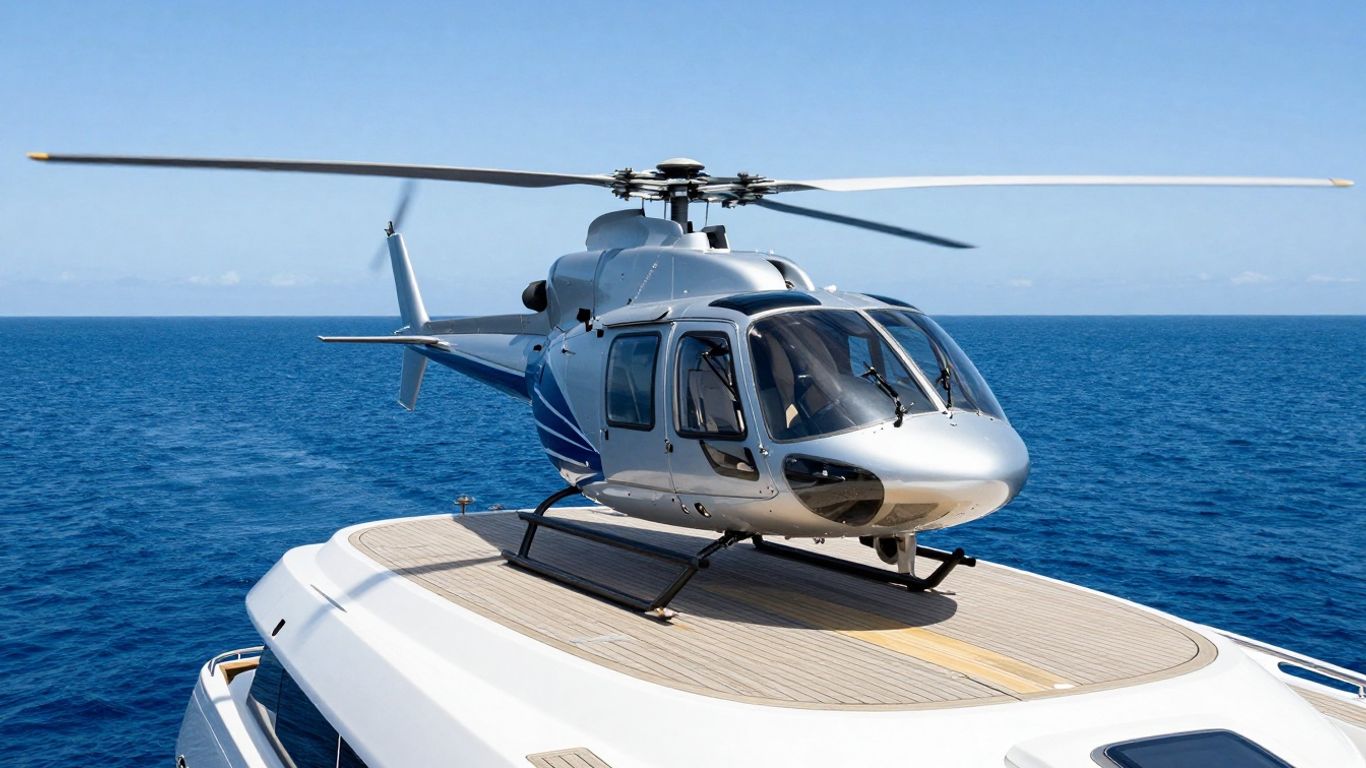
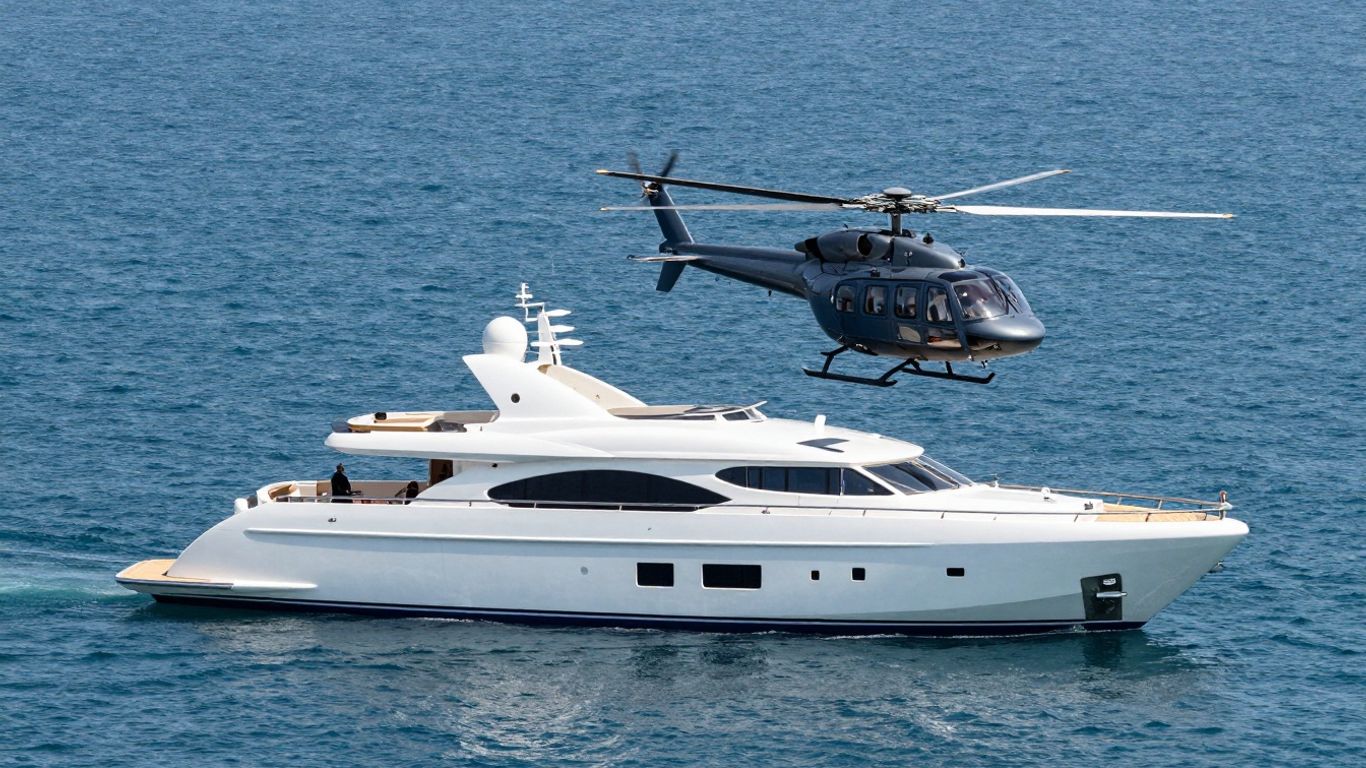
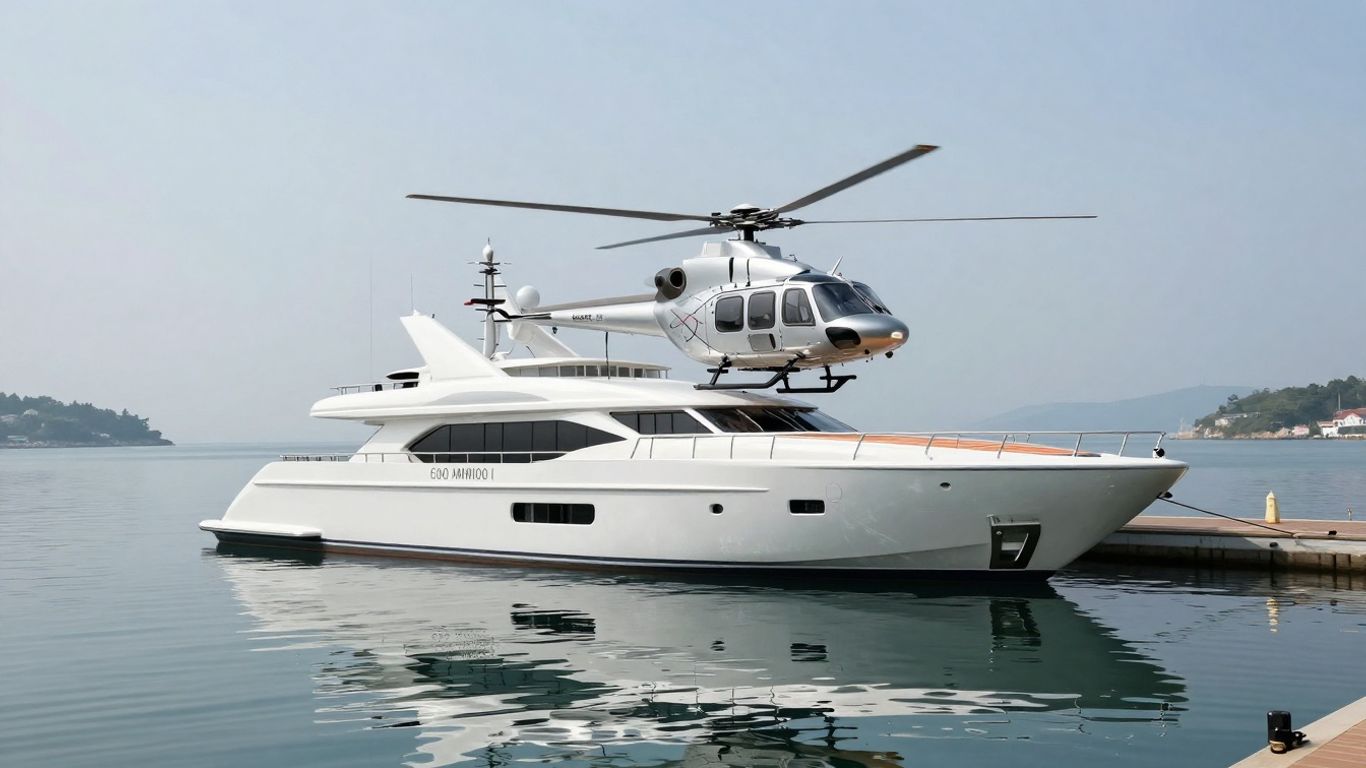
So, you’re thinking about putting a helipad on your yacht? It sounds pretty fancy, right? But it’s more than just a cool feature. We’re talking about serious planning, rules, and making sure everything is safe. Let’s break down what goes into Yacht-Based Heli Operations, from the design to actually using it, and what you really need to know before you start.
Key Takeaways
Putting a helipad on a yacht isn’t just for show; it’s often a practical need for explorer yachts, security, and quick travel.
Designing a marine helipad means using tough materials that can handle the sea and a surface that gives good grip, even when wet.
You’ve got to follow lots of rules, both from the boat’s flag country and the places you visit, so talking to experts is a must.
Helipads on yachts are used for getting guests on and off easily, for business meetings, and importantly, for medical emergencies.
Safety is a big deal, needing the right gear, trained people, and regular practice drills, plus careful thought if you plan to refuel helicopters onboard.
Understanding Yacht-Based Heli Operations
The Evolving Role of Helipads on Luxury Vessels
The image of a helicopter landing on the back deck of a fancy yacht is pretty common now, right? It’s become a symbol of how people travel in style and speed. But honestly, a helipad on a yacht is way more than just a cool accessory. It’s a complicated piece of kit where boat building meets aviation rules. The structures need to handle the forces from a helicopter’s rotors, the crew needs to know how to handle emergencies like fires, and every single landing has to follow aviation rules, both international and local. For anyone buying a yacht, captaining one, or designing them, getting helipad integration right is super important for safety, staying legal, and making sure the yacht holds its value. We’re going to look at the practical side and the rules around yacht helipads, pulling in info from naval architecture, how helicopters operate, and what’s happening in the luxury market.
Beyond Status: Operational Necessities for Explorer Yachts
While some might see a helipad as just another luxury item, for explorer yachts, it’s often a practical necessity. These vessels are built to go to remote places, areas that are hard to reach by boat or car. A helicopter dramatically expands where these yachts can go and what they can do. Think about scouting for safe anchorages in uncharted waters, quickly getting specialists on board for scientific research, or even just making travel to and from the yacht quicker and easier when you’re far from any port. It’s not just about showing off; it’s about making the yacht truly capable of reaching those far-flung destinations.
Here’s a look at how helipads are used and what to think about:
Owner & Guest Transfers: This is a big one. It cuts down travel time and hassle significantly. Owners and guests can get door-to-door service, making their trips smoother and allowing for more flexible schedules. The catch? You need certified pilots, permits for landing in different places, and good coordination for flight plans. Also, noise and how locals feel about it can limit where you can fly.
Medical Evacuations (Medevac): In remote areas, this can be a lifesaver. It drastically cuts down the time it takes to get someone medical help. It might even make evacuations less risky and cheaper. But, you need to have plans in place, trained crew, and operators ready 24/7. Not all helipads are set up for night landings or the special winch operations that medevac teams sometimes need.
Expedition & Reconnaissance: For explorer yachts, this is a game-changer. It lets you get to places like glaciers or remote islands that are otherwise impossible to reach. You can use it to scout out places to anchor or for scientific work. It really changes what an explorer yacht can do. The downside is you need to carefully assess environmental risks, have pilots who know what they’re doing, and often get special permits to land on land. Weather can also be a big factor.
The reality is that operating a helicopter from a yacht is a serious undertaking. It requires specialized training, strict adherence to regulations, and meticulous planning. It’s not quite like driving a car or using a tender; the stakes are much higher.
Enhancing Security and Privacy Through Controlled Access
Having a helipad on a yacht can also be a big plus for security and privacy. It means that people can get on and off the yacht without having to go through busy ports or marinas. This controlled access means fewer people know who is coming and going, and when. For high-profile individuals, this level of privacy is often a major reason for choosing a yacht with helideck capabilities. It allows for discreet arrivals and departures, maintaining a secure and private environment for everyone onboard.
Essential Considerations for Yacht Helipad Design
Building a helipad on a yacht isn’t just about finding a flat spot. It’s a serious engineering challenge, especially when you consider the constant movement of the sea and the corrosive nature of saltwater. You’ve got to think about how the whole structure will handle the weight and vibrations from a helicopter, not just when it’s sitting there, but especially during landing and takeoff. This means reinforcing the deck and making sure those loads get transferred properly to the yacht’s main hull. Plus, adding all that weight up high can change how the yacht handles in the water, so naval architects need to factor that into stability calculations. We’re talking about a lot more than just bolting down a platform.
Marine Helipads: Unique Engineering Demands
The biggest difference between a helipad on land and one on a yacht is the environment. A yacht is always moving, rocking with the waves. This dynamic loading is a huge deal for structural integrity. The helipad needs to be built to withstand millions of stress cycles over its lifetime, not just from landings but from the sea itself. Think about fatigue analysis – it’s a whole different ballgame. Then there’s the downwash from the rotors. It can kick up spray and debris, which isn’t great for sensitive equipment or engine intakes. So, designers have to figure out how to manage that airflow and any water that gets thrown around. And of course, you need clear paths for the helicopter to approach and depart without hitting anything, which can be tricky on a multi-deck vessel.
Material Selection for Saltwater Environments
Saltwater is tough on pretty much everything, and a helipad is no exception. You can’t just use standard steel or aluminum. Materials need to be highly resistant to corrosion. Specialized aluminum alloys or composites are often the go-to choices because they can handle the harsh marine conditions while still being strong enough. The surface itself is another big consideration. It needs to provide excellent grip, even when wet, to prevent the helicopter from sliding. This often means using special coatings or textures that are designed for high friction. The goal is to make sure the helicopter stays put, no matter the weather.
Surface Treatments for Optimal Grip and Safety
Getting the surface right is absolutely key for safety. We’re looking for a friction coefficient that’s significantly higher than what you’d find on a land-based helipad, especially when the surface is wet. This usually involves applying specialized non-slip coatings or textures. Some advanced systems even incorporate heating elements to prevent ice buildup in colder climates, which is a serious hazard. The surface also needs to be durable enough to withstand repeated landings and the constant exposure to the elements without degrading quickly. Regular inspections and maintenance are a must to keep that grip reliable year after year.
Navigating the Regulatory Landscape
Putting a helipad on your yacht isn’t just about having a cool place to land. It’s a whole world of rules and standards you need to know about. Think of it like getting your driver’s license, but way more complicated, involving aviation authorities, the country your yacht is registered in (flag state), and even the places you plan to visit (port state).
International Standards and Certifications
Globally, there are guidelines for helipads, especially if you plan on using them for anything beyond just private trips. The UK’s Civil Aviation Publication 437, often called CAP 437, is a big one. It sets out what a helipad needs to be like – size, lighting, safety gear, and how things should run. Many countries look at CAP 437 as the benchmark. Getting certified means your helipad meets these high standards, which is important if you ever want commercial helicopters to land or if you’re looking to sell the yacht down the line.
CAP 437 Standards: Covers helipad dimensions, lighting, safety equipment, and operational procedures.
Certification: Formal approval showing compliance with aviation safety standards.
Private vs. Commercial Use: Certified pads are required for commercial flights; private use has more flexibility but limits options.
Flag State and Port Authority Compliance
Even if your yacht is fully kitted out and approved by its flag state, you still have to play by the rules of any port you enter. Port authorities can have their own specific requirements for helicopter operations. This means you need to check ahead and make sure you have all the necessary permissions and that your helipad setup meets their local rules. It’s always best to communicate with port authorities well in advance of your arrival.
Understanding the specific rules for both your yacht’s flag state and any potential port states is key. These regulations can vary significantly and impact where and when you can operate.
The Importance of Maritime Aviation Specialists
Dealing with all these regulations can get pretty confusing. That’s where maritime aviation specialists come in. These folks know the ins and outs of both yachting and aviation rules. They can help make sure your helipad is designed correctly, meets all the necessary standards, and that you have the right paperwork. Hiring them can save a lot of headaches and potential problems down the road, especially when you’re dealing with international waters and different country’s laws.
Operational Use Cases for Yacht Helipads
Seamless Owner and Guest Transfers
For many owners and their guests, the primary draw of a yacht helipad is the sheer convenience it offers. Imagine stepping off a private jet and being whisked away directly to your yacht, bypassing busy airports and lengthy tender rides. This direct connection drastically cuts down travel time, turning what could be hours of transit into mere minutes. It means more time spent enjoying the yacht and less time in transit. For those who split their time between business on land and relaxation at sea, the helipad acts as a personal, private transit hub, making the yacht an accessible extension of their global travel network.
Facilitating Business and Executive Mobility
Yachts are increasingly becoming more than just leisure vessels; they’re evolving into mobile offices or ‘floating boardrooms.’ A helipad plays a key role in this transformation. It allows executives to make quick visits for important meetings, conduct business, and depart without the need for overnight stays. This capability significantly boosts productivity and adds a layer of prestige to business dealings conducted at sea. It’s about enabling point-to-point travel for high-level individuals who manage global enterprises and need their travel arrangements to be as efficient as their business operations.
Critical Medical Evacuations and Emergency Response
Perhaps one of the most vital functions of a yacht helipad is its role in emergency situations. In remote cruising areas, far from immediate medical facilities, the ability to land a medical evacuation helicopter can be a literal lifesaver. It dramatically reduces the response time for critical medical needs, potentially lowering risks and costs associated with complex evacuations. Having a helipad means that in a medical crisis, help can arrive much faster, offering peace of mind to everyone onboard.
Beyond these core uses, helipads also serve other practical purposes:
Expedition Support: For explorer yachts, helipads are not just about luxury but operational necessity. They allow for scouting inaccessible anchorages, exploring remote terrains like glaciers or remote islands, and extending the yacht’s reach into areas unreachable by tenders.
Urgent Logistics: Helicopters can be used for rapid delivery of high-value or time-sensitive items, such as critical spare parts, specialist crew, or urgent medical supplies. This ‘just-in-time’ capability can keep itineraries on track even when unexpected issues arise.
Event Access: For owners attending exclusive events like the Monaco Grand Prix or the Cannes Film Festival, a helipad provides direct access, turning the yacht into a prime basecamp for enjoying these high-profile gatherings.
The integration of a helipad transforms a yacht from a vessel of leisure into a dynamic platform for mobility, business, and safety. It’s a strategic asset that expands operational capabilities and provides a critical safety net, especially when cruising in remote or challenging locations. This capability is increasingly becoming a key consideration for owners looking to maximize the utility and security of their yachts.
Safety Protocols and Equipment
When you’re talking about helicopters on a yacht, safety isn’t just a suggestion; it’s the whole point. It’s about making sure everyone, from the folks on the ground to the pilots in the air, stays out of harm’s way. This means having the right gear and knowing how to use it, no matter what the weather throws at you.
Mandatory Safety Equipment for Helidecks
Having a helideck is one thing, but equipping it properly is another. Think of it like a pilot’s checklist – every item has a purpose. You’ll need things like:
Tie-down points: These are strong points to secure the helicopter when it’s on deck, stopping it from moving around, especially in rough seas.
Firefighting gear: This is a big one. We’re talking about specialized foam systems, like Aqueous Film Forming Foam (AFFF), which is really good at putting out fuel fires. Portable extinguishers are also a must.
Lighting: Clear, reliable lighting is key, especially for night landings. This includes emergency lights that keep working even if the main power goes out.
Perimeter netting: This helps prevent anyone or anything from accidentally falling off the deck during operations.
The right equipment is non-negotiable for safe yacht-based helicopter operations.
The Role of Trained Helideck Personnel
Gear is only half the story. You need people who know what they’re doing. The most important role is the Helideck Landing Officer (HLO). This person is the eyes and ears on the deck, communicating with the pilot and managing the landing area. They need to know:
How to check wind conditions.
How to guide the helicopter in and out.
How to handle emergency situations, like fires or medical issues.
How to keep the deck clear of Foreign Object Debris (FOD) – basically, anything that shouldn’t be there and could get sucked into a rotor.
Beyond the HLO, other crew members should have basic firefighting training and understand helicopter procedures. It’s about having a coordinated team.
Fostering a Culture of Safety Through Drills
Having the equipment and trained staff is great, but practice makes perfect. Regular drills are how you make sure everyone knows their role when things get serious. These aren’t just for show; they test:
Emergency response times.
Communication between the helideck crew and the bridge.
The effectiveness of the safety equipment.
Evacuation procedures.
Regular, realistic drills are the best way to build confidence and competence. They help identify weaknesses in procedures or equipment before a real emergency occurs, turning a potentially chaotic situation into a controlled response. It’s about building muscle memory for safety.
These drills should cover various scenarios, from minor incidents to major emergencies, helping to refine protocols and ensure a swift, effective response every time.
The Complexities of Onboard Refueling
Refueling a helicopter directly on a yacht is a whole other ballgame compared to just landing and taking off. It’s not something you can just wing.
Technical Requirements for Aviation Fueling
Getting aviation fuel safely stored and dispensed on a vessel involves some pretty specific gear. You need tanks designed for fuel, pumps that can handle it, and systems to prevent static electricity buildup – think bonding and earthing. Plus, you’ve got to have ways to catch any spills. It’s a lot more involved than just having a fuel hose.
Navigating Hazardous Materials Regulations
Fuel is, well, hazardous. This means you’re dealing with a stack of rules, both for maritime safety and aviation fuel handling. These regulations are strict because mistakes can have serious consequences. You’ll need to make sure your setup meets all the requirements, which can be a headache.
Weighing Risks Against Operational Needs
So, is it worth the trouble? For most yacht owners, the answer is often no. Refueling ashore or at a dedicated heliport is usually simpler and less risky. Onboard refueling only really makes sense if you have a strong operational reason, like extended trips in remote areas where shore facilities are scarce. If you do go this route, it absolutely has to be done to professional marine and aviation standards. It’s a big decision that needs careful thought about the risks versus the benefits.
Cost and Timeline for Helipad Integration
Adding a helipad to a yacht isn’t like bolting on a new deck chair. It’s a significant undertaking, both in terms of what it costs and how long it takes. Think of it as a major refit or a key part of a new build. The price tag can swing quite a bit, depending on what you’re aiming for.
Factors Influencing Installation Expenses
The biggest chunk of the cost usually comes down to structural work. If you’re putting a helipad on an existing yacht, you’ll likely need to reinforce the deck and possibly the hull to handle the weight and vibrations. This can easily be 40-50% of the total bill. Then there are the systems: fire suppression, lighting, navigation aids – these add up. Certification and the engineering studies needed to make sure everything is safe and legal also represent a substantial portion, often around 20-25%.
Here’s a rough idea of where the money goes:
Component
Estimated Cost Percentage
Structural Reinforcement
40-50%
Fire Suppression Systems
15-20%
Lighting & Navigation Aids
10-15%
Certification & Engineering
20-25%
For a basic setup on a larger yacht, you might be looking at a couple of million dollars. If you want a fully certified, state-of-the-art deck with all the bells and whistles, capable of handling larger helicopters or operating in tougher conditions, that figure can climb into the high single-digit millions or even more. It’s not just about the pad itself, but the whole system that makes it work safely.
Projected Timelines for Retrofits and New Builds
When it comes to timing, a helipad project can take anywhere from several months to over a year. For a retrofit on an existing yacht, you’re looking at a minimum of six months, and often longer, especially if the yacht needs to be taken out of service for an extended period. This accounts for design approvals, shipyard scheduling, the actual construction, and all the necessary inspections and certifications.
New builds offer a smoother path. Since the helipad can be integrated into the yacht’s original design from the start, the structural work is less complex and often cheaper. However, the overall timeline is still dictated by the yacht’s construction schedule, which is typically measured in years. Planning ahead is key here; the earlier you decide on the helipad during the design phase, the better.
Strategic Planning for Cost Control
To keep costs in check, the most effective strategy is to be crystal clear about your needs from the outset. Know exactly which helicopter you plan to use, how often you’ll operate it, and under what conditions. This information is vital for the engineers. Trying to design a helipad that can accommodate every possible scenario is usually far more expensive than designing for specific, well-defined requirements. Early consultation with naval architects and aviation specialists can prevent costly changes down the line. It’s also worth considering the long-term maintenance costs when making initial decisions about equipment and materials.
The complexity of integrating a helipad means that unexpected issues can arise, particularly with retrofits. Thorough surveys and detailed engineering assessments before committing to a project are non-negotiable. This upfront diligence can save significant time and money by identifying potential challenges early on.
Community Relations and Port Authority Engagement
Understanding Local Authority Reactions
When you’re thinking about putting a helipad on your yacht, it’s not just about the engineering and the helicopter itself. You also have to consider how the places you want to visit will react. Some ports and local governments are totally fine with it, maybe even welcoming, as long as you follow their rules. They might have specific permits you need or designated times you can fly. But others? Not so much. Noise complaints, safety worries, or just general environmental concerns can lead to outright bans or really strict limits on where and when you can operate. It really pays to do your homework before you even plan a trip.
Strategies for Securing Operational Permits
Getting the go-ahead to land your helicopter in different places often involves a bit of legwork. The key is to be proactive and respectful. This usually means:
Early Notification: Let port authorities or local officials know your plans well in advance. This isn’t just a courtesy; it’s often a requirement.
Clear Communication: Provide details about the type of helicopter, expected flight paths, and the purpose of your visit. Transparency helps build trust.
Demonstrate Mitigation: Show them what you’re doing to minimize disruption. This could include flying during specific hours, using quieter approach paths, or having trained crew manage the operation.
Operator Coordination: Your helicopter operator can be a big help here. They often have experience dealing with various authorities and can provide necessary documentation or certifications.
Securing permits is about showing you’re a responsible operator, not a nuisance.
Mitigating Noise and Environmental Concerns
Nobody likes unnecessary noise, and that goes double for communities near popular cruising grounds. Helicopters can be loud, and repeated operations can really bother people. To keep things smooth, think about:
Flight Path Planning: Whenever possible, plan routes that avoid flying directly over populated areas or sensitive natural habitats. Stick to overwater approaches where feasible.
Operating Hours: Be mindful of local quiet hours. Avoid early morning or late evening flights unless absolutely necessary for an emergency.
Helicopter Choice: Some helicopters are quieter than others. If you have a choice, consider models known for lower noise profiles.
Community Engagement: In some areas, it might be beneficial to engage with local community leaders or environmental groups to explain your operations and address any concerns directly. This can go a long way in building goodwill.
Being a good neighbor, even when you’re on the water, makes a big difference. It’s about respecting the places you visit and the people who live there. This approach not only helps you get the permits you need but also makes your overall experience much more pleasant.
Choosing the Right Helicopter Operator
When you’ve got a helipad on your yacht, picking the right helicopter company to work with is a big deal. It’s not just about finding someone with a helicopter; it’s about finding a partner who understands the unique challenges of operating in a maritime environment. You want someone who knows their way around a yacht deck just as well as they know their way around the sky.
Experience in Maritime Operations
This is probably the most important thing to look for. A helicopter operator that has experience working with yachts will already know the drill. They’ll understand things like limited space, changing weather conditions at sea, and the specific procedures for landing on a moving vessel. They’ll have pilots who are trained for deck landings and crews who know how to communicate effectively with the yacht’s bridge and deck crew. It’s about more than just flying; it’s about safe integration with your vessel.
Verification of Safety Records and Insurance
Safety has to be number one, always. You need to see proof of their safety record. This means looking at their incident history, their maintenance procedures, and how they train their staff. Ask for detailed reports and references from other yacht owners they’ve worked with. Also, check their insurance. Make sure they have adequate coverage for aviation liability and that it specifically covers operations on a yacht. You don’t want any surprises if something unexpected happens.
Establishing Clear Operational Agreements
Once you’ve found a suitable operator, you need a solid agreement in place. This contract should spell out everything. It needs to cover:
Aircraft Type: What kind of helicopter will they use, and is it suitable for your helipad size and weight limits?
Operational Hours: When can they fly? Are there restrictions based on daylight or weather?
Responsibilities: Who is responsible for what during a landing or takeoff? This includes communication protocols and emergency procedures.
Insurance Details: Clearly state the insurance coverage and who is liable for what.
Contingency Plans: What happens if there’s a mechanical issue, bad weather, or an emergency?
Having a well-defined agreement prevents misunderstandings and ensures everyone is on the same page. It’s the bedrock of a good working relationship.
Working with a helicopter operator is a partnership. They need to be reliable, safety-conscious, and understand the nuances of yacht operations. Their input can even help refine your helipad design and operational procedures before you even start building, potentially saving you time and money down the line. Don’t underestimate the value of their maritime experience.
Exploring Alternatives to Permanent Helipads
While a permanent helipad offers the ultimate convenience, it’s not the only way to bring helicopter access to your yacht. For owners who don’t require daily operations or are looking for more flexible solutions, several alternatives exist. These options can significantly reduce the complexity and cost associated with a fixed installation, while still providing valuable aerial transport capabilities.
Modular and Removable Landing Solutions
Think of these as temporary helipads. They can be assembled and disassembled as needed, often using interlocking deck tiles or portable platforms. This is a great choice if you only plan to use helicopter services a few times a year, perhaps for specific trips or events. They require less structural modification to the yacht and can be stored away when not in use. The main trade-off is the setup and breakdown time, and they might not be suitable for all helicopter types or weather conditions.
Shore-Based Facilities and Tender Coordination
Another practical approach is to utilize shore-based helipads. Many coastal cities and private islands have dedicated facilities. Your yacht can then anchor or dock nearby, and guests can be ferried to the helipad via tender. This method bypasses the need for onboard helideck certifications and complex operational procedures. It does, however, add an extra step to the transfer process and relies on good weather for tender operations. Coordination is key here, ensuring smooth transitions between the tender and the helicopter.
The Future of VTOL and eVTOL Integration
Looking ahead, the landscape of aviation is changing rapidly. Vertical Take-Off and Landing (VTOL) and Electric Vertical Take-Off and Landing (eVTOL) aircraft are emerging technologies. These aircraft often have different operational requirements and may be quieter and more environmentally friendly than traditional helicopters. While the regulatory framework and infrastructure for these craft are still developing, they represent a potential future where yacht-based air access could become even more accessible and integrated, possibly without the need for large, permanent helipads.
Each of these alternatives offers a different balance between convenience, cost, and operational complexity.
Here’s a quick look at how these options compare:
Feature
Modular/Removable
Shore-Based + Tender
Future VTOL/eVTOL
Permanent Helipad
Initial Cost
Moderate
Low
Varies (likely high)
High
Operational Complexity
Moderate
Moderate
Varies
High
Flexibility
High
High
High
Low
Storage Needs
Yes
No
No
No
Regulatory Burden
Moderate
Low
Varies
High
Thinking about ways to get to remote spots without building permanent helipads? There are smart and eco-friendly options available that can help you reach amazing destinations. Discover how you can explore more while protecting the environment. Visit our website to learn about these innovative solutions and plan your next adventure!
The Sky’s the Limit, Responsibly
Adding a helipad to your yacht opens up a world of possibilities, from quicker guest arrivals to reaching remote spots. It’s not just about convenience; it’s about expanding what your vessel can do. But, as we’ve seen, it’s a big step that needs careful planning. Getting the right permits, choosing a good operator, and always putting safety first are key. When done right, a helipad truly transforms the yachting experience, making those far-flung adventures and seamless journeys a reality. It’s an investment, for sure, but one that can bring incredible rewards and a new level of freedom to your time on the water.
Frequently Asked Questions
What exactly is a yacht helipad and why would someone want one?
A yacht helipad is a special landing spot built on the deck of a large boat, like a yacht. People want them for quick and easy travel, like flying directly from the yacht to a city or another location. It’s also great for emergencies, getting important supplies, or even exploring places that are hard to reach by boat.
Is it legal to have a helipad on a yacht?
Yes, it can be legal, but there are many rules to follow. You need to make sure the yacht is built strong enough to handle a helicopter landing. You also need permission from the place the yacht is registered (its flag state) and the places you plan to land or take off from. It’s like getting permits for different things.
How is a helipad on a yacht different from one on land?
Helipads on yachts are built differently because they are on a moving boat in the salty sea. They need to be super strong to handle the boat’s movement and made of materials that won’t rust. The surface also needs to be extra grippy, even when wet from sea spray, to keep the helicopter safe.
What safety gear is needed for a yacht helipad?
Safety is super important! You need things like strong ropes to tie down the helicopter, good lights for landing at night, and a way to talk to the helicopter pilot. Firefighting tools are also a must, and there should be trained crew members who know how to handle emergencies and check the wind.
Can a yacht actually refuel a helicopter?
It’s possible, but it’s tricky and needs special equipment. You have to store the fuel safely, prevent spills, and follow strict rules for both boats and planes. Many yacht owners find it easier and safer to refuel the helicopter on land instead of on the yacht.
How much does it cost to put a helipad on a yacht?
The cost can change a lot. A simple landing area might cost a lot of money, but a fully equipped, certified helipad with all the safety gear and refueling could cost millions. It also takes a long time to build, sometimes over a year, especially if it’s a new yacht.
Do all places let yachts land helicopters nearby?
Not always. Some towns or ports might not allow helicopter landings because of noise or safety worries. You often need to get special permission, and it helps to be polite and plan your landings carefully to avoid bothering people on the ground.
Are there ways to have helicopter access without a permanent helipad?
Yes, there are other options! You could use a temporary landing pad that can be taken down, or sometimes a crane can help lift people or things. Another way is to use helipads on land and then take a fast boat (tender) to the yacht. In the future, new types of flying vehicles might also offer different solutions.