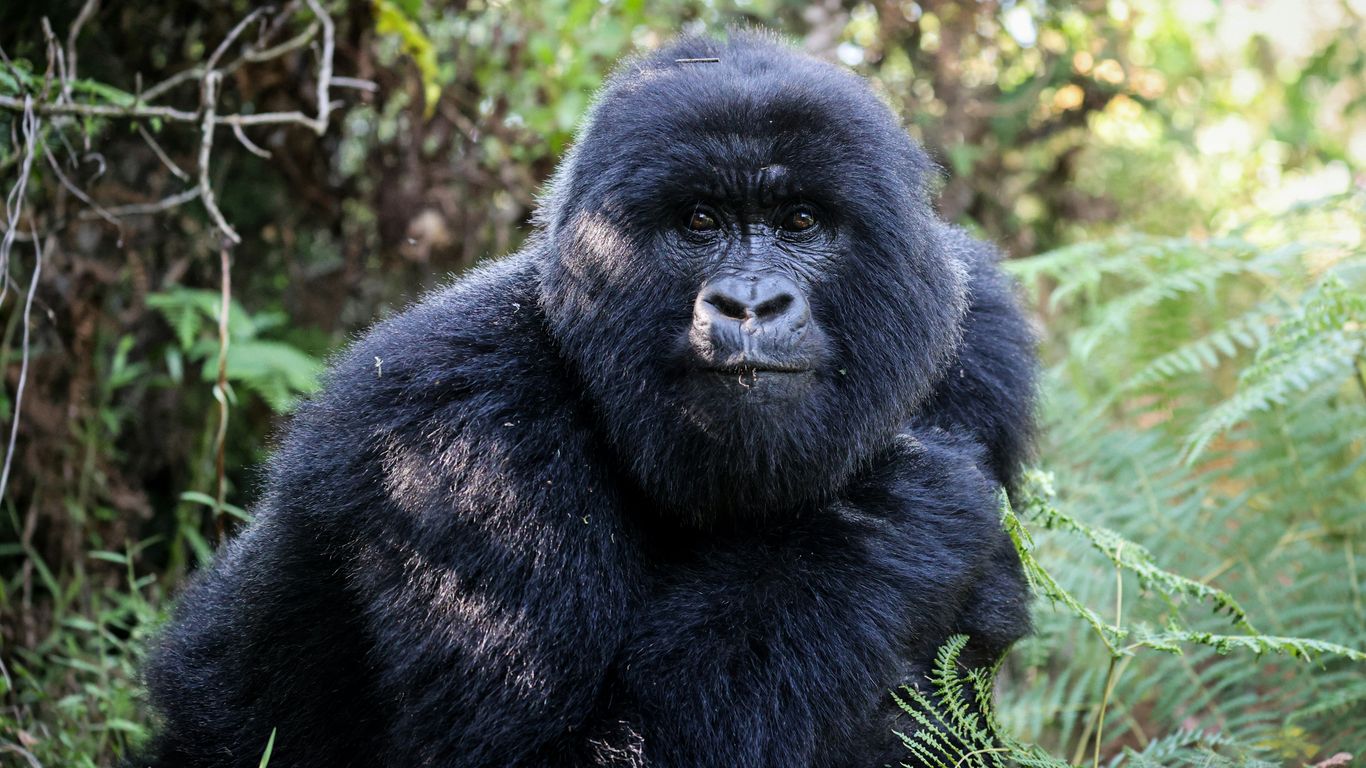
So, you’re thinking about seeing gorillas in the wild? Awesome choice! It’s a pretty amazing thing to witness. But then comes the big question: Rwanda or Uganda for gorilla trekking? It’s like picking between two really good options, and honestly, both are fantastic. You’ll see these incredible creatures up close no matter which country you choose. But they do offer different vibes, different price tags, and different kinds of adventures. Let’s break down the Rwanda vs Uganda gorilla trekking scene to help you figure out which one fits you best.
Key Takeaways
Rwanda charges a higher permit fee ($1,500) for gorilla trekking, positioning itself as a premium, high-end experience with generally easier trails and closer lodges to Volcanoes National Park.
Uganda offers more affordable permits (around $800) and a unique gorilla habituation experience, with treks potentially being more rugged and immersive in Bwindi Impenetrable Forest.
Logistically, Rwanda is often easier to access, with shorter drives from the airport to the park, while Uganda can involve longer travel times to its gorilla habitats.
Accommodation in Rwanda tends to be closer to Volcanoes National Park’s starting point, whereas Uganda requires careful lodging selection based on specific Bwindi trailheads due to its size and multiple entry points.
While both countries are committed to conservation and ethical tourism, Uganda provides a wider range of activities beyond gorilla trekking, appealing to those seeking a more diverse safari experience.
Understanding Gorilla Permit Costs: Rwanda vs Uganda
So, you’re thinking about seeing gorillas in the wild? Awesome! But before you pack your bags, let’s talk about the elephant in the room – or rather, the gorilla in the jungle – and that’s the cost. It’s a big difference between Rwanda and Uganda, and it really shapes the kind of trip you’ll have.
Rwanda’s Premium Permit Pricing
If you’re looking at Rwanda, specifically Volcanoes National Park, be prepared for a higher price tag. The permit here is currently set at around $1,500 per person. This fee is part of Rwanda’s strategy to focus on a more high-end, exclusive tourism experience. It’s not just for the permit itself; it covers your park entry and the guided trek. Think of it as an investment in a very polished experience. It’s definitely a splurge, but many find the overall package worth it for the quality and accessibility.
Uganda’s More Accessible Permit Fees
Now, if your budget is a bit tighter, or you just prefer a more budget-friendly adventure, Uganda is likely your go-to. Permits for Bwindi Impenetrable Forest and Mgahinga National Park usually run about $800 per person. This fee also includes your park entry and the guided trek. It’s a significant saving compared to Rwanda, making it a more accessible option for many travelers. You still get that incredible, once-in-a-lifetime experience, just at a lower cost.
Gorilla Habituation Permits in Uganda
Uganda offers something pretty special that Rwanda doesn’t: a gorilla habituation permit. This is a bit different and costs more, usually around $1,500. What you get for that extra money is a much longer, more in-depth experience. Instead of the standard one hour, you can spend up to four hours with a gorilla family that’s still getting used to human presence. The groups are also smaller, with a maximum of four people. It’s a more intimate and investigative look into the gorillas’ lives, offering a unique perspective that you won’t find elsewhere.
Here’s a quick look at the permit costs:
Country
Standard Permit
Habituation Permit (Uganda Only)
Rwanda
$1,500
N/A
Uganda
$800
$1,500
Keep in mind that these permit costs are just one piece of the puzzle. You’ll also need to factor in accommodation, transportation, and any tips for your guides and trackers. These additional costs can also vary quite a bit between the two countries.
The Gorilla Trekking Experience: Rwanda vs Uganda
When you’re thinking about trekking to see mountain gorillas, both Rwanda and Uganda offer incredible opportunities, but they really do feel quite different. It’s not just about the permit price, though that’s a big part of it. The whole vibe, the trails, and even how you get to the gorillas can vary quite a bit.
Rwanda’s Streamlined and Comfortable Treks
Rwanda tends to focus on a more polished, high-end experience. Think of it as the luxury option for gorilla trekking. The trails in Volcanoes National Park are generally well-maintained, and the park itself is quite accessible. This often means the treks can be a bit shorter and less physically demanding compared to Uganda. The focus here is on making the experience as smooth and comfortable as possible for visitors. You’ll find that the infrastructure is top-notch, and the overall atmosphere is one of exclusivity and efficiency. It’s a great choice if you’re short on time or prefer a more guided, less rugged adventure.
Uganda’s Rugged and Immersive Adventures
Uganda, on the other hand, offers a more raw and adventurous feel. Trekking in Bwindi Impenetrable Forest or Mgahinga Gorilla National Park can be more challenging. The terrain is often steeper, the vegetation denser, and the trails can be muddier, especially during the rainy seasons. This ruggedness, however, contributes to a deeply immersive experience. You feel more like you’re truly in the wild, exploring a genuine, untamed environment. Uganda also boasts a larger number of gorilla families, which can sometimes mean more options for tracking.
Assessing the Value Proposition of Each Destination
So, which one gives you more bang for your buck? It really depends on what you value most in your travel experience.
Rwanda: You’re paying a premium for convenience, well-maintained trails, and a more exclusive feel. It’s ideal if comfort and ease are high on your list, and you want a highly organized, less strenuous trek.
Uganda: The lower permit cost combined with the more challenging terrain offers a different kind of value. It’s for the adventurer who wants a more authentic, immersive jungle experience and doesn’t mind a bit of a workout to get there.
Ultimately, both countries provide an unforgettable encounter with these magnificent creatures. The choice often boils down to whether you prioritize a more comfortable, streamlined journey or a more rugged, deeply wild adventure. It’s about matching the experience to your personal travel style and expectations.
Navigating Accessibility and Logistics for Gorilla Treks
When planning your gorilla adventure, figuring out how to get to the parks and what to expect on the ground is a big part of the puzzle. It’s not quite like booking a flight to Paris, you know?
Ease of Access to Rwanda’s Volcanoes National Park
Getting to Volcanoes National Park in Rwanda is generally pretty straightforward, especially if you’re flying into Kigali International Airport (KGL). From Kigali, it’s about a 2 to 3-hour drive to the park headquarters in Kinigi. The roads are usually in good condition, making for a relatively comfortable journey. Most lodges are also located close to the park entrance, which cuts down on travel time on trekking days. This makes Rwanda a great option if you’re short on time or prefer a less complicated travel experience.
Travel Times to Uganda’s Gorilla Habitats
Uganda’s gorilla trekking areas, primarily Bwindi Impenetrable Forest and Mgahinga Gorilla National Park, are a bit more spread out and can take longer to reach. If you fly into Entebbe International Airport (EBB), the drive to the southern sectors of Bwindi can be anywhere from 8 to 10 hours, sometimes even more depending on road conditions and the specific trailhead. While there are domestic flights to smaller airstrips near Bwindi, they add to the cost. You’ll often find that the journey itself is an adventure, with some pretty bumpy roads, especially as you get closer to the park.
Here’s a rough idea of travel times from major points:
Destination Sector
Approx. Travel Time (from Entebbe)
Buhoma (Bwindi)
8-9 hours
Ruhija (Bwindi)
9-10 hours
Rushaga (Bwindi)
9-10 hours
Nkuringo (Bwindi)
9-10 hours
Mgahinga
9-10 hours
Inter-Country Travel Considerations
If you’re thinking about combining both Rwanda and Uganda for your gorilla trek, it’s definitely doable, but it adds another layer of logistics. The border crossing between Uganda and Rwanda is relatively easy to manage, especially if you’re using a tour operator. However, you need to factor in the extra travel time and potential visa requirements. Remember that gorilla permits are country-specific, so you’ll need to book them separately for each park. It’s a fantastic way to see both countries, but it does require more planning and a bit more time.
Planning your logistics well in advance is key. Whether you choose Rwanda for its convenience or Uganda for its wilder feel, understanding the travel times and road conditions will help you set realistic expectations for your trip. Don’t underestimate the journey; sometimes, the travel itself offers incredible glimpses into local life and landscapes.
Accommodation Options for Your Gorilla Safari
When you’re planning your gorilla trek, where you lay your head at night is a pretty big deal. It can really shape the whole vibe of your trip, you know? Think about it – after a long day tromping through the jungle, you want somewhere comfy to crash.
Rwanda’s Proximity to Lodging
Rwanda tends to lean towards the high-end when it comes to places to stay. Many lodges are situated quite close to the park entrance, which is super convenient. You’ll find places that offer amazing views, often overlooking volcanoes or beautiful lakes. These lodges are designed for comfort and often come with a hefty price tag to match. It’s all about that luxury experience here, with top-notch service and amenities. Think fancy meals and plush rooms after your trek.
Uganda’s Accommodation Strategy Based on Trailheads
Uganda’s lodging scene is a bit more varied, which is kind of nice. You’ll find a wider range of options, from basic guesthouses to more comfortable mid-range lodges, and yes, some really luxurious spots too. The key difference is that Uganda’s lodges are often spread out more, depending on which sector of Bwindi Impenetrable Forest or Mgahinga Gorilla National Park you’re trekking from. Some are right on the doorstep of a specific trailhead, while others might require a bit of a drive to get to your starting point for the day. This means you might spend a little more time traveling to and from your trek each day, depending on your choice.
Here’s a quick look at what you might find:
Luxury Lodges: Think stunning views, gourmet food, and private bandas. Often found near Volcanoes National Park in Rwanda and specific sectors in Uganda.
Mid-Range Lodges: Comfortable rooms, good food, and a solid base for your adventures. More common in Uganda.
Budget Guesthouses: Basic but clean accommodation, often run by local communities. Available in both countries, but more prevalent in Uganda.
Luxury vs. Budget Stays
So, the big question: do you go all out or try to save some cash? If you’re heading to Rwanda, you’re pretty much looking at the luxury end of the spectrum. It’s part of their tourism model. Uganda, on the other hand, gives you more flexibility. You can definitely find budget-friendly places if you’re trying to keep costs down, which is great if you’re on a tighter schedule or just want to spend more on the permit itself. It really comes down to what you prioritize for your trip. Do you want to be pampered after your trek, or are you happy with a clean bed and a hot shower before heading out again?
Remember, no matter where you stay, your tourism dollars are helping protect these incredible animals and support the local communities. It’s a win-win, really.
Trekking Difficulty: Physical Demands in Each Nation
The Terrain of Bwindi Impenetrable Forest
Uganda’s Bwindi Impenetrable Forest lives up to its name. Think dense jungle, steep hills, and trails that can get pretty muddy, especially after a rain shower. Your guides might even need to use a machete to clear a path sometimes. Because the gorilla families can roam over larger areas here, treks can sometimes take a full day. It’s definitely more of an adventure, and you’ll want to be reasonably fit for it. Mgahinga Gorilla National Park, also in Uganda, has lighter bamboo cover, but you’ll still find some steep sections.
Rwanda’s Generally Easier Trails
Over in Rwanda’s Volcanoes National Park, the trekking is usually a bit more forgiving. The trails are generally better maintained, and the terrain isn’t quite as demanding. While you can still encounter dense forest at higher altitudes, especially on longer treks, the overall experience is often less strenuous. This makes Rwanda a good option if you’re concerned about the physical side of things or are traveling with older teens or less mobile companions.
Fitness Considerations for Trekkers
So, what does this mean for you? If you’re looking for a more challenging, rugged adventure where you feel truly immersed in the wild, Uganda might be your pick. You’ll likely get a good workout, and the effort is often rewarded with incredible views and a sense of accomplishment. On the other hand, if comfort and a less physically demanding trek are higher on your priority list, Rwanda is likely the better choice. It doesn’t mean it’s a walk in the park – you’ll still be hiking through forests – but the trails are generally kinder.
Here’s a quick rundown:
Uganda (Bwindi/Mgahinga): Expect steeper, muddier, and denser terrain. Treks can be longer and more physically demanding. A moderate level of fitness is recommended.
Rwanda (Volcanoes): Trails are typically better maintained and less steep. Treks are often shorter and less strenuous, making it more accessible for a wider range of fitness levels.
Remember, regardless of the country, hiring a porter is a great idea. They can help carry your backpack and give you a hand on tricky sections, making the trek much more enjoyable. It’s also a fantastic way to support the local community directly.
Trip Duration and Itinerary Planning
Figuring out how long you need for your gorilla adventure is pretty important, and it really depends on which country you choose. It’s not just about the trek itself, but also getting there and maybe seeing a bit more of the local area.
Minimum Stay Recommendations in Uganda
When you’re heading to Uganda, especially for Bwindi Impenetrable Forest, you’ll want to plan for at least a two-night stay in the gorilla trekking region. This isn’t just about ticking a box; it gives you a bit of breathing room. The travel times to get to the different starting points can be quite long, and the roads aren’t always the smoothest. Plus, staying longer lets you really soak in the atmosphere of the rainforest, maybe check out some waterfalls, or even meet some of the local Batwa community. It makes the whole trip feel less rushed.
Flexibility of Rwanda for Shorter Trips
Rwanda, on the other hand, offers a bit more flexibility, mainly because Volcanoes National Park is much easier to get to from Kigali. While a two-night stay is still a good idea to get the most out of it, it’s technically possible to do a one-night trip, or even a very long day trip if you’re really pressed for time. However, I’d really suggest against it if you can help it. You’d be missing out on so much more than just the gorillas, and it would feel like a mad dash. Rwanda has a lot to offer beyond the trek, and rushing it just doesn’t do it justice.
Maximizing Your Gorilla Safari Experience
No matter where you go, planning your itinerary well makes a huge difference. Think about:
Travel Time: Factor in how long it takes to get to your lodge and the park. This can eat up a significant chunk of your first and last days.
Trekking Day: The actual gorilla trek can take anywhere from a couple of hours to a full day, depending on where the gorillas are. Don’t schedule anything too tight for the afternoon of your trek.
Beyond the Gorillas: Consider adding a day or two for other activities. In Uganda, this could be bird watching or visiting local communities. In Rwanda, you might explore the twin lakes or visit the Genocide Memorial in Kigali.
Planning your trip duration wisely means you get to enjoy the magic of seeing gorillas without feeling like you’re constantly on the move. It’s about balancing the adventure with a bit of relaxation and exploration. Give yourself enough time to truly appreciate the incredible experience.
Here’s a quick look at typical minimums:
Country
Minimum Recommended Stay in Trekking Area
Uganda
2 nights
Rwanda
1-2 nights (2 recommended)
Ethical Considerations in Gorilla Tourism
When you’re planning a trip to see mountain gorillas, it’s good to know that both Rwanda and Uganda take conservation and ethical tourism pretty seriously. It’s not just about seeing these amazing animals; it’s about making sure they stay around for a long time and that the local communities benefit too.
Conservation Efforts in Rwanda
Rwanda has really focused on making its gorilla tourism a high-end, low-impact experience. They’ve set up strict rules to keep the gorillas safe and healthy. This includes limiting the number of people who can visit a gorilla family each day. It helps reduce stress on the gorillas and keeps them in their natural state as much as possible. The money from those pricier permits? A good chunk of it goes right back into protecting Volcanoes National Park and the gorillas living there. They’re also big on making sure the local people get something out of it, which helps build support for conservation.
Uganda’s Commitment to Wildlife Protection
Uganda also has a strong commitment to protecting its gorillas in places like Bwindi Impenetrable Forest and Mgahinga National Park. They have similar rules about group sizes and keeping a safe distance. What’s interesting in Uganda is the option to hire porters for your trek. These folks are from the local communities, and hiring them is a direct way to put money into their hands. It’s a win-win: you get help on the trail, and they earn an income that supports their families and, by extension, conservation efforts.
Community Benefits from Tourism
Both countries understand that for conservation to really work, the people living nearby need to see the benefits. This happens in a few ways:
Permit Fees: A significant portion of the money collected from gorilla permits is reinvested into conservation projects and park management. This helps protect the gorillas’ habitat from threats like poaching and deforestation.
Local Employment: Lodges, tour operators, and park services employ people from the local communities. This provides jobs and a steady income, giving people a reason to support tourism and conservation.
Community Projects: Some of the tourism revenue is often directed towards community development projects, such as building schools, health clinics, or improving infrastructure in areas surrounding the national parks.
It’s really encouraging to see how much effort goes into making sure that your visit contributes positively. The goal is to protect these incredible creatures while also improving the lives of the people who share their land. This approach helps create a sustainable future for both the gorillas and the communities.
Ultimately, choosing to go gorilla trekking in either Rwanda or Uganda means you’re supporting vital conservation work. The strict regulations and the direct financial benefits to local communities are designed to ensure the long-term survival of mountain gorillas.
Choosing Your Gorilla Trekking Guide and Operator
So, you’ve decided to go see the gorillas – awesome! Now comes the part where you figure out who’s going to help you make it happen. It’s not quite like booking a flight online; there’s a bit more to it, especially when you’re dealing with permits and making sure you’re getting the best experience possible.
Booking Permits Through Tour Operators
Most people find it easiest to book their gorilla permits through a tour operator. These folks know the ins and outs of the system, and they can bundle your permits with accommodation, transport, and even your safari activities. It takes a lot of the guesswork out of planning, which, let’s be honest, can be a bit overwhelming when you’re dealing with national parks in different countries.
Operators handle the permit application process. This means you don’t have to worry about deadlines or specific park requirements.
They often have established relationships with lodges, which can be helpful for securing good accommodation, especially during peak seasons.
Many offer customized itineraries, tailoring the trip to your interests and budget.
They can provide valuable advice on the best time to go, what to pack, and what to expect on the trek itself.
Direct Permit Purchases in Rwanda
Rwanda, in particular, has made it quite straightforward to book permits directly if you prefer. You can often do this through the Rwanda Development Board (RDB) website or by contacting them directly. This route might appeal to independent travelers who like to have more control over their bookings. However, remember that you’ll still need to arrange your own transport and accommodation separately.
The Role of Local Guides
Your gorilla guide is your lifeline in the forest. These aren’t just people who point you in the right direction; they are incredibly knowledgeable about the gorillas, the forest ecosystem, and the local culture. They’re trained to track the gorillas, understand their behavior, and ensure your safety and the gorillas’ well-being. Don’t underestimate their importance!
Tracking Expertise: They know how to read signs – broken branches, footprints, dung – to locate the gorilla families.
Safety First: They enforce the rules (like keeping a certain distance) to protect both you and the gorillas.
Educational Insights: They share fascinating facts about gorilla families, individual gorillas, and the forest’s biodiversity.
Community Connection: Many guides are from local communities, offering a direct link to the people who live alongside these incredible animals.
Hiring a porter is also a really good idea. They’re locals who can help carry your gear, and it’s a direct way to support the community. Plus, they can give you a hand on the trickier parts of the trail, which is pretty handy when you’re trekking through dense jungle.
Comparing the Overall Gorilla Trekking Atmosphere
Rwanda’s High-End Tourism Focus
When you think about trekking in Rwanda, it’s often associated with a more polished, premium experience. The country has really leaned into a high-end tourism model, which means things generally feel very organized and comfortable. Permits are pricier, sure, but that also helps keep visitor numbers controlled, leading to a less crowded feel on the trails. It’s like Rwanda is saying, ‘We’ve got these incredible gorillas, and we want you to see them in the best way possible, with top-notch service.’ The infrastructure around Volcanoes National Park is geared towards this, with excellent lodges and easy access. It’s a destination that appeals to those who want a more curated, perhaps less physically demanding, but still deeply moving encounter with these amazing primates.
Uganda’s Diverse Activity Offerings
Uganda, on the other hand, feels a bit more like an adventure playground. While the gorilla permits are more affordable, the whole experience can be a bit more rugged. Think denser forests, potentially longer treks, and roads that might give your vehicle a good shake. But that’s part of the charm for many! Uganda isn’t just about the gorillas, though. It’s a place where you can easily combine your trek with so many other things – chimpanzee tracking, big game safaris in Queen Elizabeth National Park, or exploring the source of the Nile. It offers a broader spectrum of activities, catering to travelers who want to pack a lot into their trip and aren’t afraid of a little bit of grit. It feels more like a traditional safari destination that also happens to have gorillas.
The Appeal of a Two-Country Gorilla Expedition
Honestly, a lot of people don’t have to choose just one. Many travelers find that combining both Rwanda and Uganda for their gorilla adventure is the way to go. You get the best of both worlds, right? You can experience the streamlined, comfortable trekking in Rwanda and then hop over to Uganda for a more wild, diverse safari experience. It’s a fantastic way to see different landscapes, different gorilla families, and get a feel for the unique atmosphere each country offers. Plus, it often makes logistical sense, especially if you’re flying into one country and out of another. It’s a bit more planning, sure, but the payoff in terms of varied experiences is huge.
Rwanda: Often seen as the premium, comfortable, and streamlined option.
Uganda: Offers a more adventurous, rugged, and diverse safari experience.
Combined Trip: Provides a rich, varied experience, blending the best of both nations.
The choice between Rwanda and Uganda often comes down to what kind of overall travel vibe you’re after. Are you looking for a luxurious, well-organized encounter, or a more adventurous, multi-activity expedition? Both are incredible, just different.
When you think about trekking with gorillas, what kind of feeling comes to mind? Is it the quiet wonder of seeing them in their natural home, or the thrill of being so close to such amazing creatures? Each trek offers a unique vibe, from the peaceful forests to the exciting moments of discovery. Want to find out which gorilla trekking experience is perfect for you? Visit our website to explore all the options and plan your unforgettable adventure!
So, Which One Is It?
Alright, so we’ve looked at Rwanda and Uganda for those private gorilla permits and guides. It really boils down to what you’re after, doesn’t it? Rwanda tends to be the pricier option, with shorter drives and a more polished feel, which might be perfect if you’re short on time or just want a smoother trip. Uganda, on the other hand, offers a more rugged adventure and often comes with a lower price tag for permits, though the journeys can be longer and the trails a bit tougher. Both places give you that unforgettable moment with the gorillas, and honestly, the conservation efforts in both countries are top-notch. Think about your budget, how much time you have, and what kind of travel vibe you prefer. Either way, you’re in for an amazing experience with these incredible creatures.
Frequently Asked Questions
Which country is cheaper for gorilla trekking: Rwanda or Uganda?
Uganda is generally more affordable for gorilla trekking. A permit in Uganda costs around $700, while in Rwanda, it’s about $1,500. This price difference often extends to lodging and other travel expenses, making Uganda a better choice if you’re watching your budget.
What is the gorilla trekking experience like in Rwanda compared to Uganda?
Rwanda offers a more upscale and comfortable gorilla trekking experience. The trails are often easier to navigate, and the country focuses on high-end tourism. Uganda provides a more rugged and adventurous trek, with denser forests and sometimes more challenging hikes. Uganda also offers a unique ‘gorilla habituation’ experience where you can spend more time with a gorilla family.
How difficult is the physical trek in Rwanda versus Uganda?
The terrain in Uganda’s Bwindi Impenetrable Forest can be quite steep and muddy, making it more physically demanding. Rwanda’s Volcanoes National Park generally has easier trails, although some longer treks can still be challenging. It’s good to be in decent shape for either trek, but Uganda might require a bit more stamina.
How long should I plan for a gorilla trekking trip in each country?
For Uganda, it’s recommended to have at least a two-night stay in the gorilla trekking area because the travel times can be longer. Rwanda is more accessible, so while a two-night stay is still a good idea to see more of the country, one-night trips are technically possible, though not ideal.
Where should I stay for my gorilla trek?
In Uganda, where you stay is very important because there are four different starting points for treks in Bwindi Impenetrable Forest. You’ll want to book lodging close to your specific trek’s starting point. In Rwanda, most accommodations are a short drive from the park headquarters where all treks begin.
Can I book my gorilla permit directly, or do I need a tour operator?
In Rwanda, you have the option to book your permit directly through the Rwanda Development Board’s online platform or through a tour operator. In Uganda, permits are usually obtained through a tour operator, who handles the booking with the Uganda Wildlife Authority.
Is gorilla trekking ethical in both Rwanda and Uganda?
Yes, gorilla trekking in both Rwanda and Uganda is conducted with a strong focus on ethics and conservation. Both countries limit the number of visitors, enforce rules to protect the gorillas, and use a portion of the permit fees to fund conservation efforts and support local communities.
Which country is better for seeing gorillas: Rwanda or Uganda?
Both countries offer amazing chances to see gorillas. Rwanda is known for its easier access and more predictable sightings due to well-maintained trails and a good number of habituated gorilla groups. Uganda offers a more wild and adventurous experience, with diverse landscapes and potentially more gorilla families spread across its vast forests. The ‘better’ choice depends on whether you prefer comfort and accessibility or a more rugged adventure.