
Planning notes
Luxury Wildlife Experiences for Kids: A Thoughtful Family Guide
A memorable family wildlife journey is not about collecting the greatest number of sightings. It is about giving children time to notice, ask questions and enjoy being outdoors, with accommodation and guiding that make the experience comfortable for everyone.
Start with ages, interests and energy levels
Some children love an early start and a long game drive; others learn more from a short walk or a patient guide close to the lodge. Describe your children's ages, interests and experience, and allow a mix of active mornings, quiet afternoons and flexible days.
Do not assume an activity is suitable for every age because it appears in a family itinerary. Minimum ages, vehicle rules, walking restrictions and supervision arrangements can differ between operators and properties. For example, Rwanda's official tourism guidance sets a minimum age of 15 for gorilla tracking; it is not an option to promise younger children.
Choose a safari designed around the family
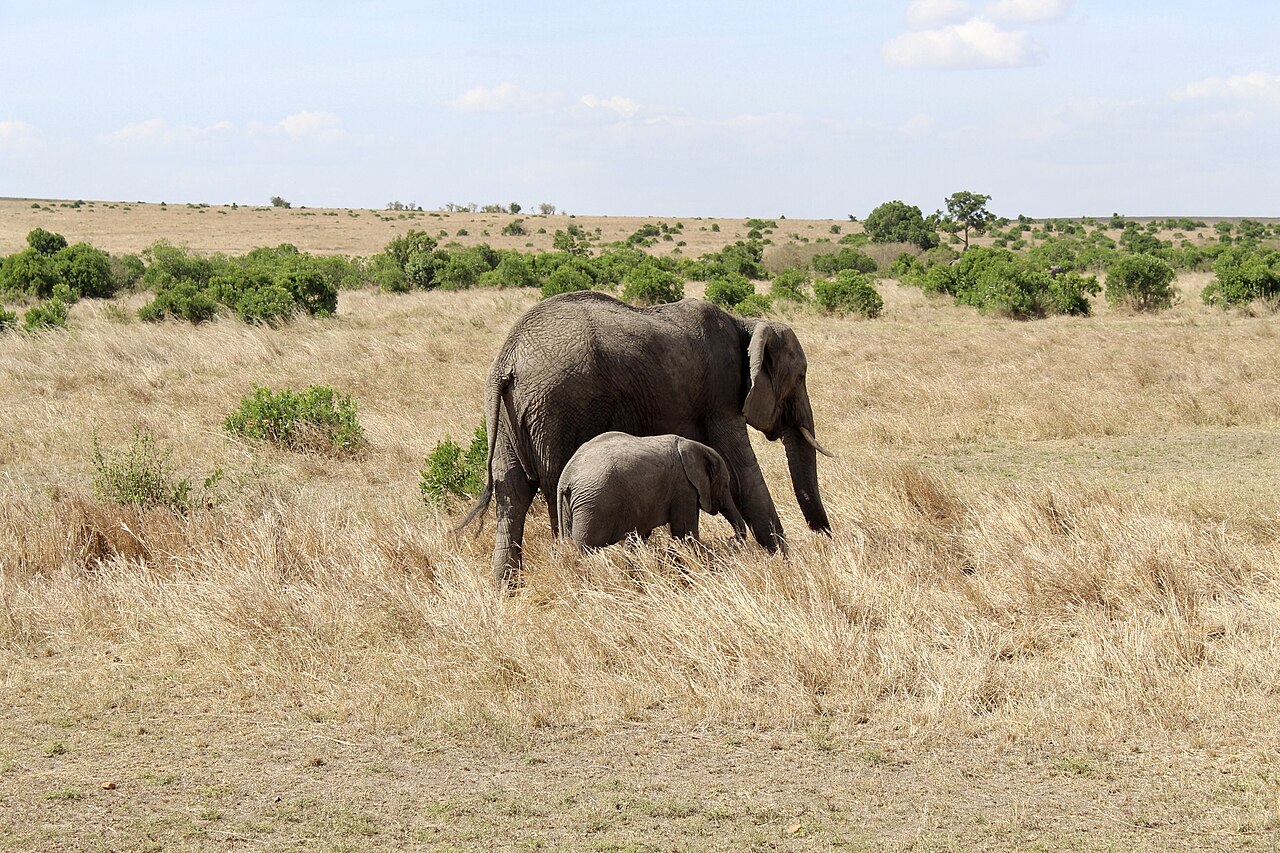

A private vehicle can help you control the pace, but wildlife remains wild: particular sightings and close encounters cannot be guaranteed. Ask whether private guiding is confirmed or simply requested, and whether young children are permitted on the drives you are considering.
A well-chosen lodge should make the time between activities appealing too. Check shaded spaces, meals, room layout, walking distances and pool supervision. Our safari and conservation collection provides a starting point for a tailored shortlist.
Consider marine and nature experiences as alternatives

A family does not need an intensive safari to enjoy wildlife. Birdwatching, a guided coastal walk or a carefully chosen marine outing may suit your children better. The important questions are duration, conditions, supervision and whether the experience allows animals to behave naturally.
For boat trips, ask about the vessel, weather contingency, child-sized safety equipment and the ability to shorten an outing. Seasonal nesting or migration should be treated as a possibility to plan around, not a guaranteed performance. Browse our Latin America and Africa planning hubs for different regional approaches.
Prefer observation to staged contact
Choose operators who explain their animal-welfare practices clearly. Seeing an animal in its habitat is different from handling, feeding or performing activities arranged for visitors. Ask how an encounter operates and whether participation interferes with normal behaviour.
Conservation claims deserve specific answers: who manages the work, how visitors participate and how funds are used. Children can learn a great deal through respectful observation; an impressive photograph is not a reason to overlook welfare or supervision.
Make the journey comfortable, not crowded
Shorter transfers and a few well-chosen bases often work better than constantly moving between lodges. Discuss bedroom arrangements, laundry, suitable food and the amount of downtime you want. A private guide is useful when the itinerary still has room to adapt.
Before booking, request the activity age limits, confirmed inclusions, deposits and cancellation terms in writing. Paltino can help shape the balance between discovery and comfort, without promising exclusive access to wild animals or treating every adventurous experience as suitable for every child.