Deciding between Kenya and Tanzania for your safari adventure can feel like a big choice. Both countries boast incredible wildlife, stunning landscapes, and unique experiences, especially when you compare conservancies and private reserves versus national parks. This guide breaks down the differences to help you figure out which destination is the perfect fit for your dream Kenya vs Tanzania safaris. We’ll look at everything from the animals you’ll see and the activities you can do, to where you’ll stay and how much it might cost.
Key Takeaways
Kenya often offers more budget-friendly options and a wider range of conservancies, allowing for activities like night drives and off-road viewing, especially in areas like the Mara.
Tanzania, while generally pricier, provides access to vast, iconic parks like the Serengeti and Ngorongoro Crater, with unique experiences like chimpanzee trekking in its western forests.
Both countries share the Serengeti-Mara ecosystem, making them prime spots for the Great Wildebeest Migration, though the timing and specific viewing locations differ slightly.
Private conservancies in both Kenya and Tanzania offer more exclusive experiences, with fewer vehicles and greater flexibility in activities compared to national parks.
When planning your trip, consider the specific wildlife viewing goals, desired activities, accommodation style, and budget to make the best choice between Kenya and Tanzania safaris.
Understanding Conservancies and Private Reserves
When you’re planning a safari in Kenya or Tanzania, you’ll quickly run into terms like ‘conservancy’ and ‘private reserve.’ They sound similar, and in some ways, they are, but they offer pretty different safari experiences. Think of national parks as the big, public spaces where everyone can go. Conservancies and private reserves, on the other hand, are usually smaller, privately managed areas. This often means fewer vehicles and a more exclusive feel.
Key Differences in Safari Experiences
National parks are fantastic, don’t get me wrong. They’re vast, teeming with wildlife, and generally more accessible. However, they come with rules. You’re usually restricted to designated tracks, and sometimes, you might find yourself in a bit of a traffic jam at a popular sighting. Conservancies and private reserves, however, are where you can often get a bit more freedom. They’re typically set up in partnership with local communities or owned by private entities, and this ownership model allows for more flexibility.
Here’s a quick look at what that might mean:
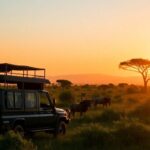
Game Drives: While national parks offer standard morning and afternoon drives, conservancies often allow for off-road driving (great for getting closer to animals without disturbing them) and night drives, which open up a whole new world of nocturnal creatures.
Activities: Things like guided walking safaris, cultural visits to local villages, and even fly-camping under the stars are usually exclusive to conservancies. You won’t find these in most national parks.
Crowds: This is a big one. Conservancies typically limit the number of vehicles allowed in at any one time, and often have limits on vehicles at a specific sighting. This means you’re much less likely to feel like you’re in a crowded parking lot.
Exclusive Access and Activities
This is where conservancies really shine. Because they’re privately managed and often have agreements with local landowners or communities, they can offer experiences that just aren’t possible in national parks. Imagine being able to follow a leopard off-road for a better view, or going on a guided walk with an experienced ranger who can point out tiny details you’d otherwise miss. Night drives are another huge draw; seeing lions on the hunt or spotting a shy genet cat is a totally different experience after dark.
Conservancies often provide a more intimate connection with the wilderness. The ability to venture off-road, track animals with more freedom, and engage in activities like walking safaris or night drives creates a deeper appreciation for the ecosystem and its inhabitants. It’s about quality over quantity, focusing on a more personalized and immersive safari.
Vehicle Restrictions and Wildlife Viewing
One of the most significant differences you’ll notice is how vehicles are managed. In national parks, there are strict rules about staying on the roads, and there’s often no limit to how many vehicles can gather around a sighting. This can sometimes detract from the wild feeling of the experience. Conservancies, however, usually have much stricter controls. They might limit the total number of vehicles in the conservancy at any given time, and crucially, they often limit the number of vehicles that can be at a single animal sighting. This means you’re more likely to have a sighting all to yourself, or with just a couple of other vehicles, making for a much more peaceful and rewarding wildlife viewing experience. It’s all about preserving the natural behavior of the animals and giving you a better chance to observe them undisturbed.
Landscape and Ecosystems: Kenya vs Tanzania
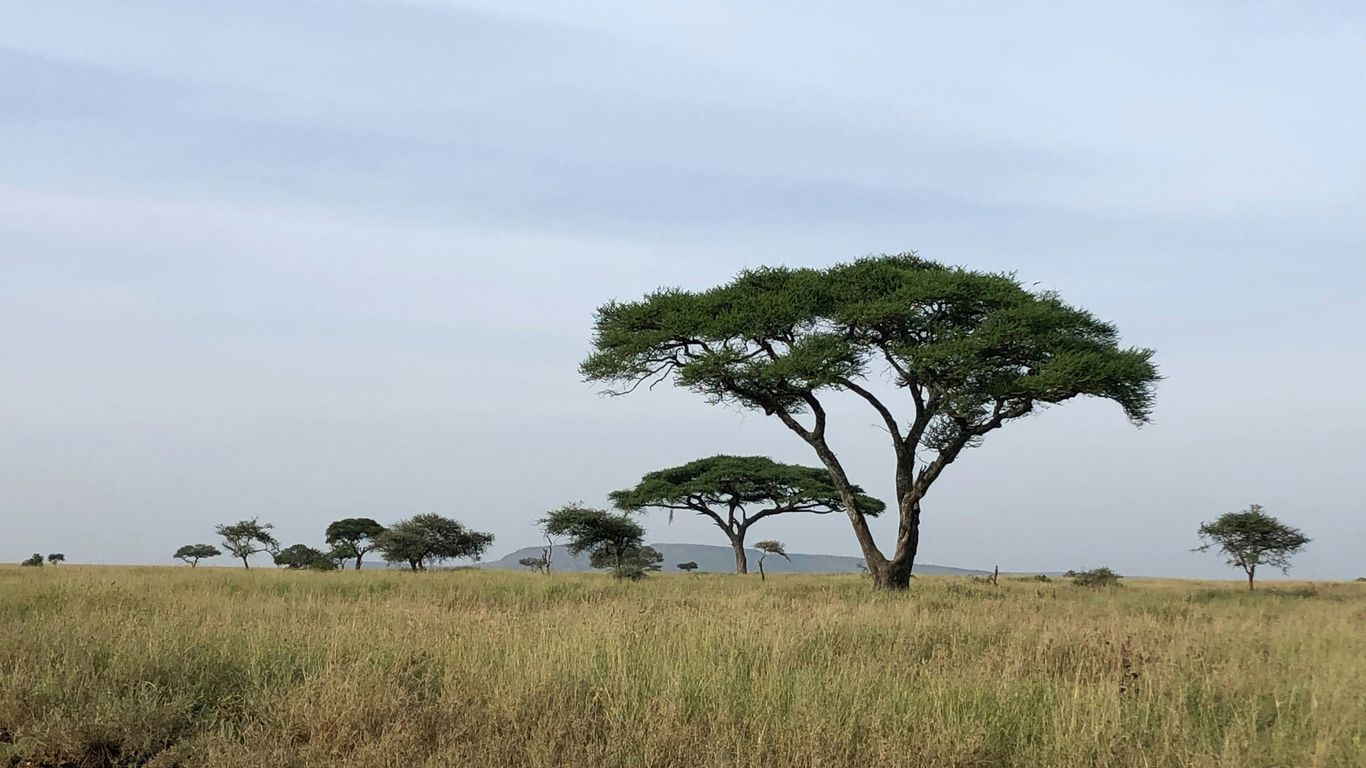
When you picture an African safari, chances are you’re imagining vast, golden plains stretching to the horizon, dotted with acacia trees. Both Kenya and Tanzania deliver this iconic scenery in spades, but dig a little deeper, and you’ll find a surprising amount of diversity that shapes the safari experience.
The Serengeti-Mara Ecosystem
This is the big one, folks. The Serengeti in Tanzania and the Masai Mara in Kenya aren’t just neighbors; they’re part of one massive, interconnected natural system. Think of it as one giant park, artificially split by a border that the animals completely ignore. This shared ecosystem is the heart of the Great Wildebeest Migration, a spectacle that draws millions of animals and, consequently, millions of visitors. The sheer scale here is mind-boggling, offering those classic, wide-open savannah views where you can see for miles.
Diverse Terrestrial and Forested Regions
While the savannah is king, both countries offer more than just grasslands. Kenya’s northern regions, like Samburu, are drier and more rugged, leading to unique wildlife sightings – you might spot the ‘Samburu Special 5’ here, animals adapted to this arid environment. Tanzania, on the other hand, boasts lush, indigenous forests in its western parts, particularly in places like Mahale Mountains National Park. This is where you can go chimpanzee trekking, a totally different kind of wildlife encounter compared to spotting lions on the plains.
Coastal and Island Destinations
Don’t forget the coast! Both Kenya and Tanzania have beautiful stretches along the Indian Ocean. While Kenya offers popular beach spots like Diani and the historic Lamu archipelago, Tanzania is famous for its stunning islands. Zanzibar, of course, is the most well-known, but there are also Pemba and Mafia Island, offering incredible diving and snorkeling opportunities. These coastal areas provide a perfect way to relax and unwind after a thrilling safari.
Here’s a quick look at some key areas:
Country
Famous Savannah Parks
Unique Regions
Coastal/Island Gems
Kenya
Masai Mara, Amboseli
Samburu, Laikipia
Diani, Lamu
Tanzania
Serengeti, Tarangire
Mahale Mountains, Ruaha
Zanzibar, Mafia
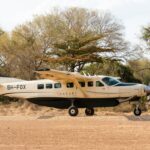
The sheer size of Tanzania means that travel between different regions often involves light aircraft flights, which adds to the cost but also provides incredible aerial views of the diverse landscapes below. Kenya, while also vast, has slightly shorter distances between its prime safari spots, potentially making inter-park travel a bit more straightforward for some itineraries.
Prime Wildlife Viewing Opportunities
Big Five Sightings: Where to Find Them
Spotting the ‘Big Five’ – lion, leopard, elephant, rhino, and buffalo – is a major draw for many safari-goers. While neither Kenya nor Tanzania can guarantee sightings like some private reserves in South Africa, the thrill of the chase here is incredibly rewarding. Rhinos, being quite rare, are particularly challenging but immensely satisfying to find. For the most reliable Big Five encounters in East Africa, the Ngorongoro Crater in Tanzania is a top contender. Its unique caldera environment, teeming with around 30,000 animals, makes it a hotspot. In Kenya, the Lewa Wildlife Conservancy is a well-known rhino sanctuary and a great place to try your luck.
Animal
Tanzania (Most Reliable)
Kenya (Most Reliable)
Other Notable Areas (Tanzania)
Other Notable Areas (Kenya)
Big 5
Ngorongoro Crater
Lewa Conservancy
Serengeti
Mara Conservancies
Chimpanzees
Mahale Mountains
N/A
Rubondo Island, Gombe Stream
N/A
Elephants
Nyerere (Selous)
Amboseli
Serengeti
Samburu
The Great Wildebeest Migration Dynamics
The Great Wildebeest Migration is an absolute spectacle, a natural phenomenon that draws crowds year-round. This massive movement of over a million wildebeest, zebras, and gazelles is a constant cycle across the Serengeti-Mara ecosystem. In Tanzania, you’ll typically witness the calving season in the southern Serengeti from January to March, and dramatic river crossings in the Grumeti or Mara Rivers from July to October. Kenya’s Masai Mara is famous for the migration’s arrival, usually from July through October, with river crossings being a highlight. Timing is everything for this event, so plan well in advance if this is your primary goal.
Specialized Wildlife Encounters
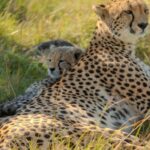
Beyond the Big Five and the migration, both countries offer unique wildlife experiences. Tanzania is a prime spot for chimpanzee trekking, with Mahale Mountains and Gombe Stream National Parks offering incredible opportunities to observe these intelligent primates in their natural habitat. For a different kind of trek, camel safaris in Kenya’s Samburu region provide a unique perspective on arid landscapes and their hardy wildlife. You might also encounter specialized species like the rare wild dog or cheetahs, often found in areas with open plains and good prey density.
Remember that wildlife viewing is unpredictable. While certain areas are known for specific animals, patience and a bit of luck play a significant role. The best guides can significantly increase your chances of spotting elusive creatures by understanding animal behavior and tracking signs.
Safari Activities Beyond Game Drives
While hopping into a safari vehicle for a game drive is the classic way to see wildlife, both Kenya and Tanzania offer so much more to spice up your adventure. Think about it: you’re out in the wild, surrounded by incredible landscapes and amazing animals. Why limit yourself to just one way of experiencing it?
Guided Nature Walks and Night Drives
Guided nature walks are a fantastic way to get up close and personal with the smaller details of the bush that you might miss from a vehicle. You’ll learn about tracking, identify different plants and insects, and really get a feel for the environment. These walks are usually offered in conservancies and private reserves, where regulations are a bit more flexible than in national parks. Night drives are another exciting option, especially in private areas. As dusk settles, the landscape transforms, and nocturnal creatures like genets, civets, and even leopards become active. It’s a completely different world after dark!
Cultural Excursions and Fly-Camping
Many safaris include opportunities to visit local communities, like the Maasai people, to learn about their traditions and way of life. This can be a really eye-opening experience. For the more adventurous, fly-camping offers a chance to spend a night or two in a basic, mobile camp in a remote location. Imagine falling asleep under a blanket of stars with only the sounds of the African bush around you – it’s pretty unforgettable.
Unique Treks: Chimpanzee and Camel
If you’re looking for something truly unique, both countries have special trekking experiences. Tanzania, in particular, is known for its chimpanzee trekking in places like the Mahale Mountains and Gombe Stream National Parks. It’s a chance to see our closest relatives in their natural habitat. You can also find camel trekking, especially in certain regions of Kenya, offering a slower, more traditional way to explore the landscape and spot wildlife from a different perspective.
Activity
Kenya Availability
Tanzania Availability
Notes
Guided Nature Walks
Conservancies
Conservancies
Focuses on smaller flora and fauna, tracking skills.
Night Drives
Conservancies
Conservancies
Excellent for spotting nocturnal animals.
Cultural Excursions
Common
Common
Learn about local traditions and lifestyles.
Fly-Camping
Less Common
Less Common
Remote, basic camping for an immersive wilderness experience.
Chimpanzee Trekking
Limited
High
Primarily in western Tanzania (Mahale, Gombe).
Camel Trekking
Some Regions
Limited
Offers a unique, slower-paced exploration.
Beyond the standard game drive, these activities add layers of discovery to your safari. They allow for a deeper connection with the environment and local cultures, making your trip much more than just wildlife spotting. It’s about the whole experience, from the smallest insect to the vast night sky.
Accommodation Styles and Options
Luxury Lodges and Exclusive Camps
When you think of an African safari, you probably picture those amazing lodges perched on hillsides with incredible views, right? Both Kenya and Tanzania have plenty of these, from fancy suites built right into the rocks to super-exclusive camps that feel like your own private slice of the wilderness. These places often come with top-notch service, gourmet food, and that feeling of being truly away from it all. It’s all about that immersive experience. Think waking up to the sounds of the bush or enjoying sundowners with a panoramic vista. It’s a big part of what makes a safari so special.
Family-Friendly and Fenced Lodges
Traveling with kids? You’ll want to look for places that cater specifically to families. This can mean lodges with family suites, activities designed for younger guests, or even private vehicles so your group can move at your own pace. Some lodges are also fenced, which is a good idea if you’re worried about wildlife wandering too close to your room, especially with little ones. It just adds an extra layer of peace of mind.
Booking Considerations for Peak Seasons
Here’s the thing: if you’re planning to travel during the peak safari seasons, like around Christmas and New Year, or from roughly July to October, you need to book way in advance. We’re talking at least a year ahead, especially if you have your heart set on a specific lodge or camp, or if you need a family suite. These places fill up fast! For other times of the year, giving your travel planner 3 to 6 months’ notice is usually a good idea, but again, if there’s a particular spot you’ve got your eye on, the earlier the better.
Here’s a rough idea of what you might expect to pay per person, per night, when sharing:
Accommodation Type
Season
Kenya (Approx. USD)
Tanzania (Approx. USD)
4-Star Comfort
Low
$375 – $450
$500 – $675
4-Star Comfort
High
$500 – $600
$550 – $725
4-Star Luxury
Low
$600 – $700
$800 – $1,200
4-Star Luxury
High
$750 – $950
$950 – $1,350
5-Star Luxury
Low
$1,000 – $1,150
$1,250
5-Star Luxury
High
$1,200 – $1,600
$1,850
Keep in mind these are just estimates. Prices can change, and they usually don’t include flights, visas, or extra activities. Also, remember that Tanzania is a bigger country, so travel between areas often means taking small planes, which can add to the cost compared to Kenya where distances might be shorter.
Budgetary Considerations for Your Safari
Planning an East African safari can feel a bit daunting when you start looking at the price tags. It’s true, it’s not exactly a budget weekend getaway, but that doesn’t mean it’s out of reach. Both Kenya and Tanzania offer incredible experiences, and the key is figuring out where your money goes and how to make it work for you. Understanding the cost breakdown is your first step to a dream safari.
Cost Comparisons: Kenya vs Tanzania
Generally speaking, Kenya often presents a more budget-friendly option. This is partly due to its well-established international tourism infrastructure, meaning more flight options and a wider range of accommodations. Tanzania, while offering unparalleled wilderness, can lean towards the pricier side, especially if you’re looking to explore its more remote and exclusive reserves. The sheer size of Tanzania also means more internal travel, often by light aircraft, which adds to the overall cost.
Here’s a rough idea of what you might expect, keeping in mind these are just guidelines and can change:
Country
Accommodation Level
Low Season (per person/night)
High Season (per person/night)
Kenya
Mid-Range
$300 – $500
$500 – $800
Kenya
Luxury
$600 – $1000
$1000 – $1500+
Tanzania
Mid-Range
$350 – $550
$550 – $900
Tanzania
Luxury
$700 – $1200
$1200 – $2000+
Note: These figures exclude international flights, visas, park fees, and optional activities. Prices are approximate and based on double occupancy.
Value for Money and Splurge Options
If you’re watching your wallet, Kenya often provides excellent value for money. You can find fantastic lodges and incredible wildlife viewing without necessarily breaking the bank. Think about focusing on areas like the Masai Mara or Amboseli, which are well-serviced and offer classic safari experiences.
On the other hand, Tanzania is where you go when you’re ready to splurge. Places like the Serengeti, Ngorongoro Crater, and the less-visited southern parks (Ruaha, Nyerere) offer a more exclusive and often more expensive experience. The sheer scale and wildness of these areas justify the higher price tag for many travelers. If you’re dreaming of a truly high-end, private safari, Tanzania might be your destination.
Understanding Seasonal Pricing
Timing is everything when it comes to safari costs. Peak seasons, usually coinciding with the Great Migration (roughly July to October) and holiday periods like Christmas and New Year, will always command higher prices. Accommodation is in high demand, and availability can be limited, so booking well in advance is key.
Traveling during the shoulder seasons or the low season (often the ‘green season’ with rain) can significantly reduce costs. While you might encounter some rain, these periods often offer lush landscapes, fewer crowds, and excellent wildlife viewing, especially for birdwatchers and those interested in newborn animals. It’s a trade-off that can make a big difference to your budget.
When planning your budget, remember to factor in all the ‘extras’. Park entrance fees, conservation levies, and internal flights can add up quickly. It’s always wise to discuss your budget openly with your safari planner. They can help you prioritize what’s most important to you, whether it’s a specific lodge, more days in the bush, or unique activities, and tailor an itinerary that fits your financial comfort zone without sacrificing the magic of the experience.
Optimal Timing for Your East African Adventure
Figuring out the best time to visit Kenya or Tanzania for your safari can feel a bit like trying to predict the weather, but with a little planning, you can hit the sweet spot. It really boils down to what you want to see and experience, and of course, your budget.
Navigating Rainy Seasons
Both Kenya and Tanzania have two main rainy periods. The ‘long rains’ typically happen from April to May, and these can bring significant downpours, often in the afternoons. Some camps might even close during this time. Then there are the ‘short rains’ from November to December. These are usually less intense, with just occasional brief showers, and most camps stay open, with game viewing still being quite good.
Remember that weather patterns can shift, so these are general guidelines. Rain significantly influences wildlife movements, especially the Great Migration.
Peak and Low Season Travel
When you choose to go directly impacts both the crowds and the cost. The peak or high season, generally from June to October, is the dry winter period in both countries. This is a fantastic time for game viewing as animals congregate around water sources, but it’s also the busiest and most expensive time to visit. The low or ‘green’ season runs from November to May. While you might encounter some rain, especially during the long rains, you’ll often find better deals on accommodation and fewer tourists. The short rains period can be a good compromise, offering decent game viewing with fewer people.
Wildebeest Migration Viewing Windows
If seeing the Great Wildebeest Migration is your top priority, timing is everything. In Kenya’s Masai Mara, the migration is typically best viewed from July through October, with river crossings often happening in August and September. In Tanzania’s Serengeti, the calving season is usually from January to March, and you can witness river crossings from roughly June to August. Planning well in advance, at least 12 months ahead, is highly recommended for migration season, as popular lodges and camps fill up fast.
Here’s a quick look at the general timing:
Season
Kenya (June-Oct)
Tanzania (June-Oct)
Notes
Peak/High
Dry Winter
Dry Winter
Best game viewing, most expensive, busy
Low/Green
Nov – May
Nov – May
More affordable, fewer crowds, potential rain
Migration
July-Oct (Mara)
Jan-Mar (Serengeti)
River crossings vary by month and location
Rainy Seasons
Nov-Dec, Apr-May
Nov-Dec, Apr-May
Long rains (Apr-May) can be heavy
Tailoring Your Safari to Traveler Types
Family Travel Preferences
When you’re traveling with kids, especially younger ones, Kenya often has a slight edge. Many lodges and camps there are set up with families in mind. Think about things like private vehicles for your group, activities that are actually fun for different age ranges, and rooms that can comfortably fit everyone. Tanzania is catching up, for sure, but Kenya still feels a bit more geared towards family adventures right now.
Ideal Destinations for Couples and Adventurers
Honestly, both Kenya and Tanzania are fantastic choices if you’re a couple or looking for some excitement. You’ll find amazing honeymoon suites and plenty of thrilling activities, from tracking chimps to going on camel treks. Both countries also offer incredible spots to witness the Great Migration. Kenya has a lot of private conservancies, which can mean more exclusive experiences. Tanzania, on the other hand, has some truly spectacular options if you’re looking to really splurge on a high-end adventure.
Budget-Conscious Travel Strategies
If you’re watching your wallet, Kenya is generally a good place to start. It tends to offer better value for your money. This is partly because Kenya has put a lot of effort into promoting tourism internationally, which means more flight options and a wider range of places to stay. Don’t get me wrong, Tanzania can still be done on a budget, but you might need to have a really honest chat with your safari planner about what’s most important to you and where you can be flexible. Sometimes it’s about choosing a slightly less famous park or a simpler camp to make it work.
Diverse activities, remote locations, potential for high-end splurges.
Budget-Conscious
Kenya
Wider range of accommodation, more flight options, generally better value.
Planning a safari is a big deal, and figuring out which country fits best depends a lot on who you’re traveling with and what you want to get out of it. It’s not just about seeing animals; it’s about the whole experience. Talking to a safari expert can really help sort through the options and make sure you pick the right place for your specific trip.
Logistical Considerations for Travel
Travel Hubs and Safari Capitals
When planning your trip to Kenya or Tanzania, it’s helpful to know the main entry points and how they connect to your safari destinations. Nairobi, Kenya, and Kilimanjaro International Airport (JRO) near Arusha, Tanzania, are the primary international gateways. Nairobi is a bustling hub, often serving as the starting point for many Kenyan adventures, with a good range of hotels and transport options. Arusha, while smaller, is the gateway to Tanzania’s famous northern circuit, including the Serengeti and Ngorongoro Crater. Choosing the right hub can significantly impact your travel time and initial costs.
Inter-Country Travel and Combined Safaris
Thinking about experiencing both Kenya and Tanzania? It’s definitely doable, but requires some planning. While there are border crossings, flying between the two countries is often more time-efficient, especially if you’re heading to different regions. Many travelers opt for a combined safari to get a taste of both ecosystems, like visiting the Maasai Mara in Kenya and then flying over to the Serengeti in Tanzania. This allows you to witness the Great Migration from different perspectives. Keep in mind that visa requirements and currency will differ between the two nations.
Planning Your Itinerary
Crafting your safari itinerary involves balancing travel time, desired experiences, and budget. Consider the distances involved; Tanzania is a vast country, and light aircraft transfers are common for reaching more remote areas, which adds to the cost but saves considerable time. Kenya, while also large, has a slightly more developed road network connecting many popular parks.
Here’s a general idea of how long you might want to allocate:
Kenya: A minimum of 5-7 days allows for a good introduction, perhaps focusing on the Maasai Mara and a central or southern park.
Tanzania: For the northern circuit, 7-10 days is recommended to comfortably visit the Serengeti, Ngorongoro, and Lake Manyara.
Combined: A 10-14 day trip can offer a fantastic overview of both countries.
Remember that safari days are often long, with early morning starts to catch the best wildlife activity. Factor in travel time between locations, as well as time to simply relax and soak in the incredible surroundings. Don’t try to cram too much in; quality over quantity often makes for a more enjoyable and less rushed experience.
Extending Your African Journey
So, you’ve planned an amazing safari in Kenya or Tanzania, but what if you have a bit more time and want to see even more of what Africa has to offer? It’s totally doable, and honestly, it’s where some truly unforgettable experiences lie. Think of it as adding extra chapters to your adventure story.
Gorilla Trekking in Neighboring Countries
If you’re fascinated by primates, then heading to Uganda or Rwanda for gorilla trekking is a must. These countries are home to incredible populations of mountain gorillas, and walking through the lush rainforests to find them is something else. It’s a bit of a trek, but seeing these gentle giants in their natural habitat? Absolutely worth it. Uganda offers a mix of gorilla trekking and other wildlife, while Rwanda is renowned for its conservation efforts and the gorillas themselves.
Island Escapes: Seychelles and Zanzibar
After days of dusty game drives, imagine swapping the savannah for pristine beaches. Zanzibar, off the coast of Tanzania, offers beautiful white sands and a rich history, with options ranging from luxurious private island experiences to more laid-back, local vibes. If you’re looking to really splurge, the Seychelles are a dream destination with stunning granite formations and crystal-clear waters, perfect for a honeymoon or a once-in-a-lifetime treat.
Iconic Waterfalls and Southern Africa
And then there are the natural wonders. Victoria Falls, one of the world’s largest waterfalls, is surprisingly accessible with direct flights. From there, you can easily hop to other amazing safari spots in Botswana or even head down to South Africa for a city break in Cape Town. It really opens up the continent.
Here’s a quick look at how these extensions can fit:
Gorilla Trekking: Uganda or Rwanda (East Africa)
Beach Relaxation: Zanzibar (Tanzania coast) or Seychelles (Indian Ocean)
Natural Wonders & Southern Africa: Victoria Falls (Zambia/Zimbabwe) then potentially Botswana or South Africa
Planning these extensions is all about logistics and timing. Your safari planner can help figure out the best flight connections and ensure you don’t spend too much time traveling between places. It’s about maximizing your adventure without the stress.
Ultimately, extending your trip means you get to experience a wider slice of Africa’s incredible diversity.
Ready to make your African adventure even more amazing? We have more incredible experiences waiting for you. Discover hidden gems and unforgettable moments that go beyond the usual. Visit our website to see all the ways you can extend your journey and create memories that will last a lifetime.
So, Which One is Right for You?
Ultimately, picking between Kenya and Tanzania for your safari adventure really boils down to what you’re looking for. If you’re after more freedom to explore, like going off-road or doing night drives, and want a wider range of private conservancy options, Kenya might be your jam. Tanzania, on the other hand, often feels a bit more exclusive and can be the go-to if you’re dreaming of the Ngorongoro Crater or want to experience the vastness of the Serengeti. Both countries offer incredible wildlife and unforgettable experiences, so it’s less about which is ‘better’ and more about which one fits your travel style and what you want to get out of your trip. Chatting with a travel expert can really help sort out the details to make sure you get the safari of a lifetime, no matter which side of the border you choose.
Frequently Asked Questions
What’s the main difference between a national park and a conservancy in Kenya and Tanzania?
Think of national parks like public schools and conservancies like private clubs. In national parks, you can drive yourself and often see tour groups. Conservancies, however, offer more exclusive experiences. You can go on guided nature walks, drive off-road to get closer to animals, and even go on night drives, which aren’t allowed in most national parks. Plus, conservancies usually limit the number of vehicles at animal sightings, so it’s less crowded.
Which country is better for seeing the Great Wildebeest Migration?
Both Kenya and Tanzania are amazing for the migration because they share the same huge wildlife area called the Serengeti-Mara ecosystem. In Tanzania, you’ll see the migration in the Serengeti, especially from January to March when the babies are born. In Kenya, the Masai Mara is the place to be from July to October, when the wildebeest cross rivers.
Is it more expensive to go on safari in Kenya or Tanzania?
Generally, Tanzania can be a bit pricier, especially if you want to visit some of its more remote and special areas. Kenya often offers better value for your money, partly because there are more options for places to stay and more flights available. However, both countries have ways to fit different budgets, especially if you travel during the less busy times of the year.
When is the best time to visit Kenya or Tanzania for a safari?
The best time for good weather is usually from June to October, which is the dry season. This is also when many people visit, so it’s considered peak season and can be more expensive. The rainy seasons are typically April to May (the ‘long rains’) and November to December (the ‘short rains’). Safaris can still be great during the short rains, and it’s more affordable.
Can I combine a safari in Kenya and Tanzania in one trip?
Yes, you absolutely can! Since they share a massive wildlife area, it’s quite common to visit both. You’ll need to go through border checks, but the animals move freely between the two countries. Many people plan trips that include parts of both the Serengeti and the Masai Mara.
Are there other activities besides game drives on safari?
Definitely! While game drives are the main event, many places offer more. You can often go on guided nature walks to learn about smaller plants and animals, do night drives to see nocturnal creatures, and visit local villages to learn about the Maasai culture. Some places even offer unique experiences like chimp trekking or camel rides.
Which country is better for families with young children?
Kenya often gets the nod for families. Many lodges and camps in Kenya are set up with families in mind, offering things like family suites, age-appropriate activities, and the option of private vehicles. Some lodges are also fenced, which offers an extra layer of security.
Where can I see the ‘Big Five’ (lion, leopard, elephant, rhino, buffalo) in Kenya and Tanzania?
While seeing the Big Five is exciting, it’s not always guaranteed on every drive in East Africa. The Ngorongoro Crater in Tanzania is one of the most reliable places to spot them because so many animals live within its walls. In Kenya, the Lewa Wildlife Conservancy is known for its rhinos, and the conservancies around the Masai Mara offer good chances for the others.